

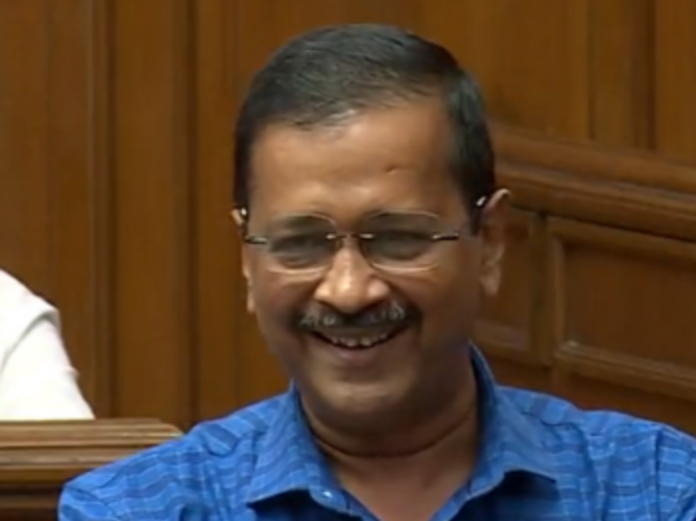
On the 4th of April 2022, Delhi Jal Board issued a circular announcing approximately 2 hours of leave daily for its Muslim employees during the month of Ramzan. However, the online outrage over the discriminatory treatment while several Hindus are also fasting has led to the withdrawal of the order from the Board.
Withdrawing the order, the new circular said,”A circular was issued bearing No. F. No. 524 (18)/DJB/AC(W)/2022/e-office No. 1087701 dated 04.04.2022 for short leave (approx. two hours a day) to the Muslim employees during the days of Ramzan.
Delhi Jal Board withdraws its circular for short leave (approx two hours a day) to all its Muslim employees during the days of Ramzan issued earlier. pic.twitter.com/bXJd2gXaeo
— ANI (@ANI) April 5, 2022
Now the competent authority vide their order has decided to withdraw the above said circular with immediate effect, the new circular added.
After Delhi Jal Board announced the leave for the Muslim employees during Ramzan while ignoring the Hindus fasting during Navratri, it led to widespread anger among the netizens. Several people expressed their anger at this selective policy.
Delhi Jal Board announced that Muslim employees would be granted a daily leave of 2 hours during the month of Ramzan. Delhi Jal Board is an agency under the Arvind Kejriwal
— akanksha ?? (@akanksha29bjp) April 5, 2022
कितने चेहरे है @ArvindKejriwal ? pic.twitter.com/ZSsRPDUahg
Delhi Jal Board announces 2-hour leave for Muslim employees during Ramzan
— #DextrousNinja?? (@DextrousNinja) April 5, 2022
No concession for Hindus observing Navratri. pic.twitter.com/IHYvY5lQ7L
Delhi Jal Board announces 2 hour leave for #Muzlim employees during #Ramzan, no concession for #Hindus observing #Navratri
— Nishant Azad/निशांत आज़ाद?? (@azad_nishant) April 5, 2022
वाह केजरीवाल जी वाह ????
For now, the Delhi Government has decided to withdraw even the Ramzan leaves instead of extending the same privilege to Hindus observing Navratri fast.


