

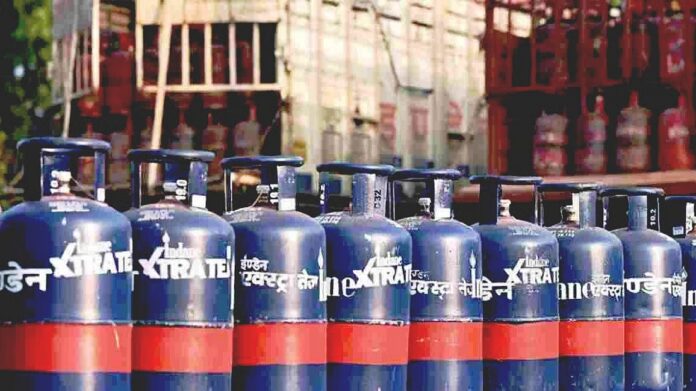
In a welcome development for commercial establishments across India, the Government of India has announced the full restoration of commercial LPG supplies to pre-crisis levels. The decision follows a review of the temporary restrictions introduced earlier this year to safeguard domestic cooking gas supplies during the West Asia crisis. The development comes as transit of ships through the Strait of Hormuz is being restored to the pre-war level following the peace deal signed between Iran and USA.
The Ministry of Petroleum and Natural Gas, in a letter dated June 25, 2026, sent to all State and Union Territory Chief Secretaries, stated that all sectoral restrictions on non-domestic packed LPG have been withdrawn and supplies restored to pre-crisis levels. Bulk LPG supplies have also been relaxed, with allocations permitted up to 50 per cent of pre-crisis consumption.
Oil Marketing Companies have been asked to continue capturing commercial and industrial consumer data in their databases, with the possibility of maintaining a unified sectoral database across the three major OMCs. Consumers who have shifted to Piped Natural Gas (PNG) or are in the process of doing so have been advised to continue the transition as a long-term solution, with those already on PNG networks expected to remain on it permanently.
📢 Important Announcements
— Chief Minister Assam (@CMOfficeAssam) June 25, 2026
The Government of India has decided to restore commercial LPG supplies to pre-crisis levels following a review of temporary measures introduced during the recent West Asia crisis.
✅ Restrictions on Non-Domestic (Commercial) Packed LPG withdrawn
✅… pic.twitter.com/sVVxwrGD6K
These restrictions on commercial LPG were first imposed earlier this year after the escalation of the West Asia crisis, which began with US and Israeli strikes on Iran in late February 2026. The conflict led to severe disruptions in the Strait of Hormuz, through which the bulk of India’s LPG imports, nearly 85 to 90 per cent of total imports that meet around 60 per cent of the country’s overall LPG requirement, normally pass. To prevent any shortage for the over 330 million domestic households that rely on subsidised or non-subsidised LPG cylinders for cooking, the government had prioritised supplies to the domestic segment and curtailed allocations to hotels, restaurants, industries, tea gardens and other commercial users.
The curbs had created significant operational difficulties for the commercial sector nationwide. Restaurants and hotels in several cities reported reduced supplies, longer waiting periods and, in some cases, higher costs or shifts to alternative cooking methods. Some states had limited commercial allocations to as low as 20 per cent of normal levels at the peak of the crisis, while panic buying and isolated instances of hoarding were also reported in various parts of the country.
With supply chains gradually stabilising, aided by increased domestic LPG production, diversification of imports, including record volumes from the United States, diplomatic efforts to secure safe tanker movements, and now reopening of the Strait, the Centre has now reviewed the situation and decided to lift the restrictions.
