

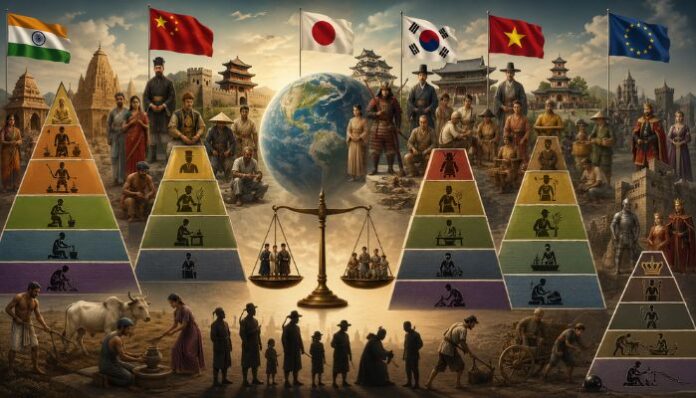
For decades, discussions around caste have almost always centred on India. International media, academics and activists frequently present caste as a uniquely Indian problem, often portraying it as an institution found nowhere else in the world. However, a growing India-China debate on social media has recently challenged that perception, with many users pointing out that rigid birth-based and occupation-based hierarchies existed across several societies, often under different names.
Over the past few weeks, Indian social media users have flooded platforms such as X and Instagram with posts, memes, videos and detailed threads exposing what many describe as China’s own caste-like social hierarchy. For years, the Chinese Communist Party projected itself as a society that had successfully eliminated social discrimination while simultaneously highlighting India’s caste issues. However, users began drawing attention to China’s historical social order and its modern Hukou system, which many believe continues to create institutional barriers between different groups of citizens.
Chinese caste system 😵💫 pic.twitter.com/22IaZ0qzsp
— Caste Assamese (@axomiyashakta) June 14, 2026
The pursuit began gaining serious traction from around 11th June 2026 onwards with posts highlighting China’s ancient Four Occupations: Shi-Nong-Gong-Shang, as a hereditary hierarchy, and institutionalised discrimination within the modern Hukou household registration system, which traps millions of Chinese people in second-class status. While the Four Occupations created a structured hierarchy of scholars, farmers, artisans and merchants, the Hukou system continues to divide Chinese citizens into privileged urban residents and disadvantaged rural populations, restricting access to education, healthcare and employment opportunities.
Reality of Chinese Caste System. Share it and make it reach to every indians. Hats off to whomsoever started this movement of exposing realities of china. pic.twitter.com/YJmRmgM1oM
— @Mishra_ji (@Mishra_anii) June 20, 2026
The debate has reopened an important historical question: Was caste really unique to India, or did many societies create their own rigid social hierarchies that controlled people’s lives for generations?
The answer is that almost every major civilisation developed some form of hereditary or occupation-based social structure. While the names differed and the rules varied from country to country, the underlying principle remained strikingly similar. People were born into specific groups, social mobility was restricted, marriage often took place within the same community, and those at the bottom were frequently subjected to discrimination and poverty.
Caste was not unique to India
Modern discussions often associate the word “caste” exclusively with India. Yet historically, rigid social stratification based on birth existed across Asia, Europe and even parts of Africa.
Many societies divided people according to birth, occupation, wealth or perceived ritual purity. These divisions were often enforced by law, religion or state authority. In several cases, people born into lower groups could neither change their occupation nor easily improve their social standing.
The difference is largely one of terminology. In India, these divisions came to be known through the framework of ‘caste’, which, ironically, originated from the Portuguese ‘casta’. In other countries, they were called classes, estates, orders, ranks, serfdoms, outcast groups or hereditary occupations. But regardless of the name, they functioned in remarkably similar ways.
This reality becomes even more evident when examining some of Asia’s most advanced and admired societies, including Japan, Korea and Vietnam.
Japan’s rigid hereditary social order
Modern Japan is often viewed as one of the world’s most advanced nations. However, for centuries Japanese society operated under a rigid hereditary hierarchy that determined a person’s status, rights and opportunities.
During the Edo Period, which lasted from 1603 to 1868, the Tokugawa Shogunate institutionalised a strict social order known as Shinokosho. Society was divided into four principal groups:
- Shi – Samurai
- Nō – Farmers
- Kō – Craftsmen
- Shō – Merchants.
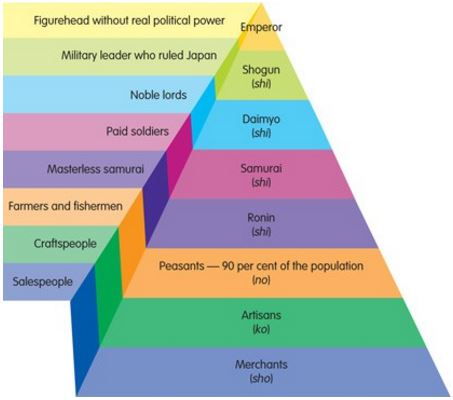
At the top stood the Samurai class. These warrior-administrators enjoyed significant privileges and occupied positions of authority. Below them were farmers, who were valued because they produced rice, the foundation of Japan’s economy. Craftsmen came next, while merchants occupied the bottom rung because they were considered to generate wealth without producing essential goods.
This hierarchy was hereditary. A child born into a farmer’s family remained a farmer. A merchant’s child remained a merchant. Marriage between classes was restricted, and social mobility was severely limited.
The Tokugawa government repeatedly reminded citizens to “know your station in life.” People required permission to relocate, change occupations or marry outside their social category. Even clothing, hairstyles and daily behaviour were often regulated according to social rank.
Yet even below these four classes existed groups that suffered even harsher discrimination.
Among them were the Eta and Hinin communities, who later became known collectively as Burakumin.
The Eta were associated with occupations considered “impure,” including butchery, tanning and handling corpses. The Hinin included beggars, entertainers, low-status prostitutes and others considered socially undesirable.
These communities faced severe segregation. They were often forced to live in separate settlements, excluded from mainstream society and denied many opportunities available to other Japanese citizens.
Over time, the discrimination became codified in law. Occupations became hereditary, meaning the son of a tanner was expected to become a tanner. Social interaction between mainstream Japanese society and the Burakumin was discouraged and sometimes legally restricted.
Although legal discrimination was abolished during the Meiji era, the social stigma did not disappear overnight. Buraku rights organisations continue to fight discrimination even today, demonstrating how deeply entrenched these hierarchies once were.
Korea’s class system and the Nobi underclass
Like Japan, Korea also developed a highly structured and often rigid social hierarchy. During the Joseon Dynasty, Korean society was divided into several major classes.
- Yangban – Elite Scholar-Officials & Wealthy Landowners
- Jungin – Technical Middle Class (Doctors, Interpreters)
- Sangmin – Common Taxpayers (Farmers, Craftsmen, Traders)
- Cheonmin – Lowly Class (Shamans, Butchers) & NOBI (Slaves)
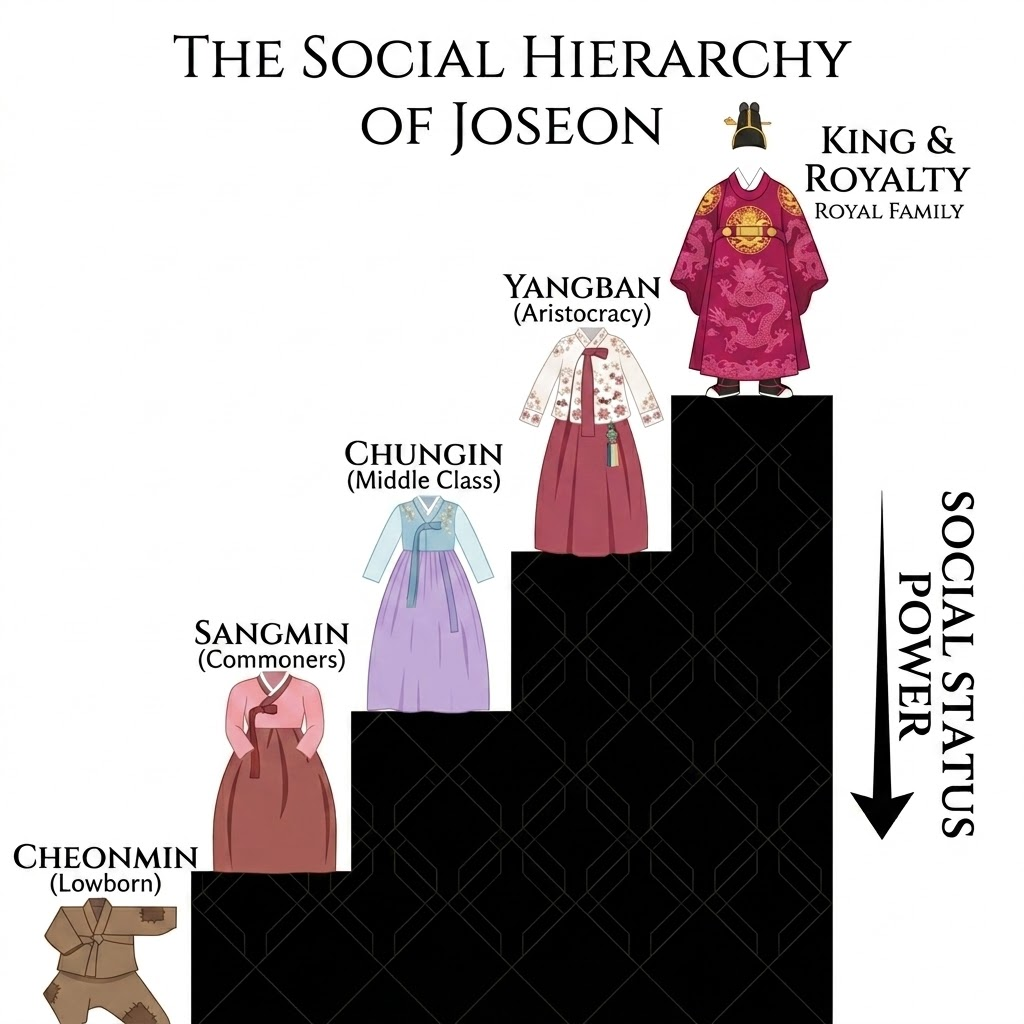
At the top stood the Yangban, who formed the ruling elite. They were scholar-officials who controlled government administration and owned significant amounts of land.
Below them were the Jungin, or middle people, who included technical professionals such as doctors, translators and administrators.
The majority of the population belonged to the Sangmin class, which consisted of farmers, craftsmen and merchants who paid taxes and supported the economy.
At the very bottom were the Cheonmin, meaning “lowly people.” This group included butchers, shamans, entertainers and the Nobi.
The Nobi occupied a particularly vulnerable position. They were considered property and could be bought, sold, inherited or transferred. In many respects, they resembled slaves or serfs. However, the Nobi system was complex. Some Nobi possessed property, accumulated wealth and lived independently. Nevertheless, their legal status remained subordinate to their owners.
For centuries, Korean society operated under this hierarchy. The Yangban enjoyed political and social dominance while lower classes faced significant barriers to advancement.
Only in the nineteenth century did these divisions begin to weaken. Economic changes, social reforms and political upheavals gradually eroded the old order. In 1894, the Nobi system was formally abolished.
Vietnam’s adoption of the Chinese social order
Vietnam presents another example of how caste-like structures spread across Asia through Chinese influence.
Historically, Vietnam adopted the Chinese Four Occupations model known locally as “Sĩ, Nông, Công, Thương.”
This system placed scholars and officials at the top, followed by farmers, artisans and merchants.
The arrangement reflected Confucian ideals that valued education and administration above commerce. Merchants often accumulated wealth, yet they remained socially inferior to scholars and bureaucrats.
Although the Vietnamese system was not as rigidly hereditary as some others, it still created a clear social hierarchy. Land ownership, education and government service became concentrated among elite families, reinforcing divisions across generations.
A key institution supporting this hierarchy was the Confucian civil service examination system. Introduced under the Ly Dynasty and continuing until 1919, these examinations selected government officials based on mastery of Confucian texts and classical literature.
In theory, any capable candidate could rise through the examination system. In practice, access to education was often concentrated among wealthy and influential families, giving them significant advantages. The examination structure elevated scholar-officials into a prestigious elite class while reinforcing the importance of bureaucratic status over commercial success. Over time, this helped create a durable social order that shaped Vietnamese society for centuries.
Caste-like hierarchies were not limited to Asia
The existence of rigid social hierarchies was not limited to Asian societies.
Europe, often portrayed as the birthplace of modern liberalism and equality, also spent centuries under systems that restricted social mobility and tied people to inherited status, even to slave-like conditions generation after generation.
For much of medieval Europe, society operated under feudalism. Feudalism was a governmental and economical structure that rose after that fall of the Roman Empire in the fifth century. When the Roman Empire controlled large portions of Europe, it functioned as a large, central, stabilizing power. After its fall, local warlords began to assert their own dominance over small swaths of land.
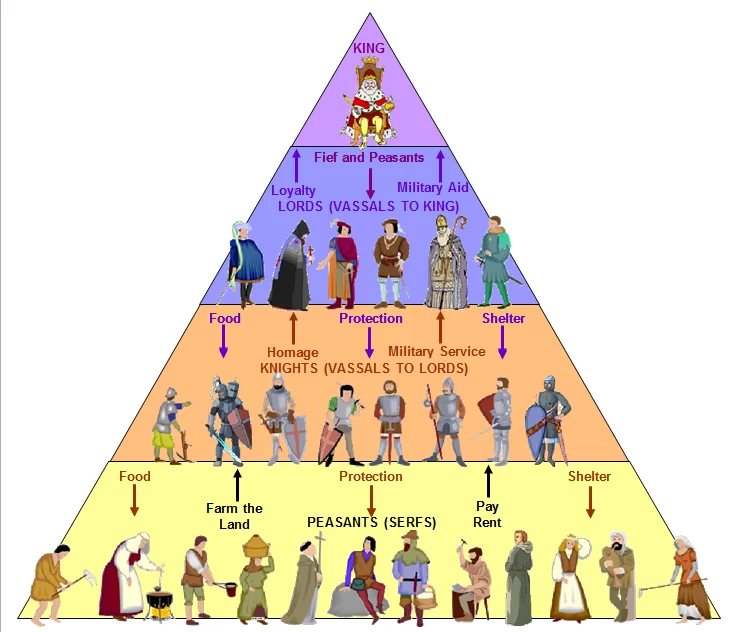
At the top were kings, nobles and landowners. At the bottom were serfs, who worked the land but did not own it.
Europe’s serfs and lords
Serfdom was one of the defining institutions of medieval Europe.
Serfs were not technically slaves, but their lives were heavily controlled by local lords. They farmed land belonging to the lord and were required to surrender a significant portion of their produce as rent.
They could not freely leave the land. They often required permission to marry, relocate or change occupations. If the land changed ownership, the serfs frequently changed owners with it. In practical terms, their freedom was extremely limited.
The system was built around inherited status. Children of serfs generally became serfs themselves. Opportunities for advancement were rare.
Lords, meanwhile, exercised considerable authority. In exchange for labour and rent, they provided protection, housing and basic security. Yet the relationship remained deeply unequal. The institution survived for centuries and shaped the lives of millions of Europeans.
Only major disruptions such as economic transformation, urbanisation and the Black Death began weakening the system. The Black Death dramatically reduced Europe’s population, creating labour shortages that gave surviving workers greater bargaining power. Peasants increasingly demanded better conditions and greater freedom.
Over time, feudalism gradually declined and serfdom was abolished across much of Europe.
Scotland’s coal miners: Slavery by another name
Even after Britain began presenting itself as a champion of liberty and the abolition of slavery, forms of hereditary labour bondage continued to exist.
One striking example came from Scotland’s coal mining industry.
For centuries, Scottish colliers and salters were effectively tied to the mines where they worked. This included the colliers’ families as well. Mining was often a generational occupation, and even children would work in mines, some as young as four years old, although usually children were eight or nine if they were to work down in the pits. If conditions were better in other mines, colliers could not choose to leave and improve their situations, and any miner who did so was treated as a criminal and actively sought and retrieved. Some were punished severely for ‘absconding’ from their mines; they were treated as ‘vagabonds and sturdy beggars’; some were even sent to specific correctional facilities, created to deter miners from trying to leave their mines.
They could not freely leave their employers and were often bought and transferred along with mining operations.
In practice, many historians describe the system as resembling slavery.
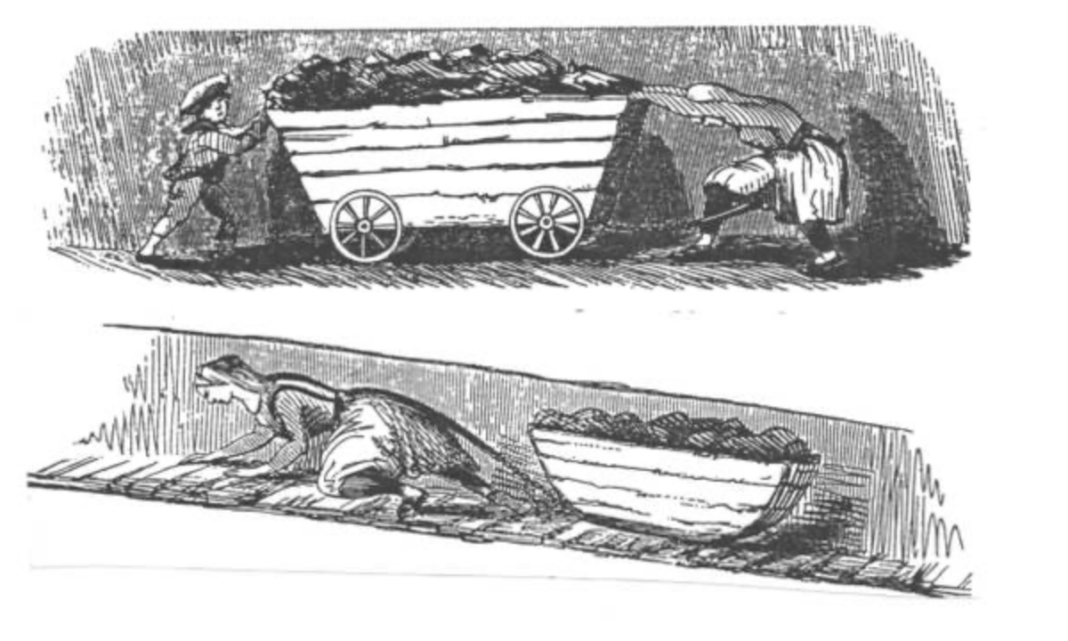
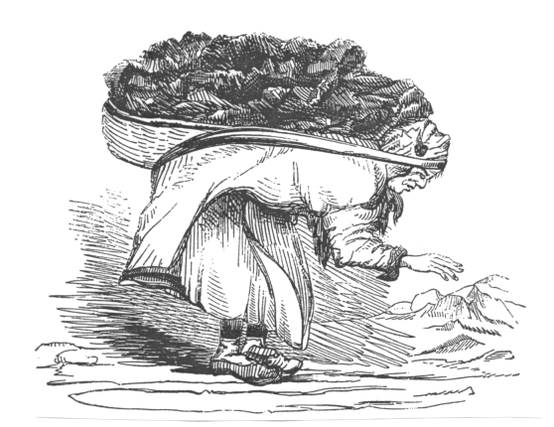
This brutal act was actually extended in 1641 to enslave other workers, such as trappers, watermen, windsmen, gatesmen and carriers, who also worked at the mines. This act also increased the working week to six days out of seven. The situation lasted until 1775, when the process of freeing the mining communities from these abhorrent conditions was begun with the Colliers and Salters (Scotland) Act of Parliament. This started the process of freeing miners from their bonds, in a top-down approach. This effectively meant that if the father of a family was freed then so were his family.
A global reality often ignored
The historical record shows that rigid social hierarchies existed across much of the world.
China had the Four Occupations and later systems that institutionalised social divisions. Japan enforced hereditary classes and segregated Burakumin communities. Korea maintained a hierarchy dominated by Yangban elites while millions lived as Nobi. Vietnam adopted Confucian social structures that privileged educated elites over other groups.
Europe had feudalism, serfdom and hereditary labour systems that tied generations of people to specific occupations and social positions in deplorable living conditions and almost no rights.
The names differed. The legal frameworks differed. The cultural justifications differed. But the outcome was often similar.
People born into lower groups faced restricted opportunities, social stigma, economic hardship and limited mobility. Their lives were shaped by structures they did not choose and often could not escape.
Looking beyond simplified narratives
None of this means that social discrimination did not exist in India or that caste-related problems should be ignored. However, history shows that hierarchical social structures, what has been called the ‘caste system’ in India, were not a uniquely Indian phenomenon.
Across continents, societies created systems that divided people according to birth, occupation, status or perceived purity. These systems controlled access to wealth, education, political power and social respectability.
Yet public discourse often treats caste as though it were an exclusively Indian invention while overlooking similar structures elsewhere.
The recent discussion surrounding China’s social hierarchy has therefore opened a broader conversation. It reminds us that rigid social orders were once common across the world.
Whether called caste, class, estate, serfdom, nobility, outcaste status or hereditary occupation, these systems shared a common feature: they restricted human freedom and concentrated privilege in the hands of a few while keeping those at the bottom poor, dependent and socially marginalised.


