

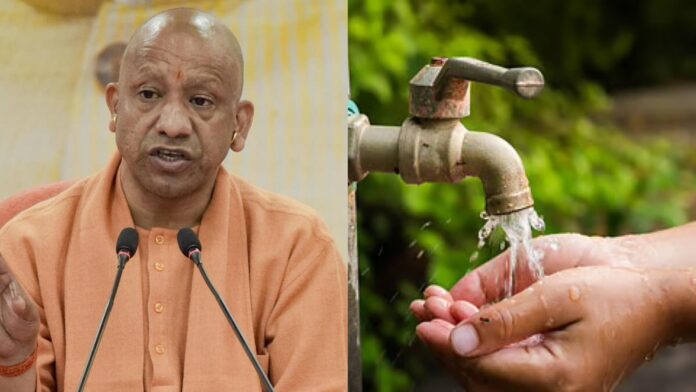
In a bid to embed water conservation into everyday behaviour, the Uttar Pradesh government has rolled out a statewide ‘Jal Pakhwada’ campaign across all schools and educational institutions from April 16 to April 30 under the broader Jal Shakti Abhiyan.
What sets this initiative apart is its classroom-first approach. By integrating water conservation into the school ecosystem, the government aims to create a ripple effect—where awareness begins with students and extends to families and communities. The campaign is expected to engage lakhs of students, encouraging them not just to learn about water conservation but to actively practice and promote it.
To ensure the programme translates into measurable impact, authorities have introduced a structured monitoring mechanism. Schools have been directed to upload daily reports through an online tracker, documenting participation levels, activities conducted, and visual evidence such as photos and videos. At the district level, Basic Education Officers have been appointed as nodal authorities to oversee implementation and maintain accountability.
The initiative goes beyond awareness campaigns, positioning schools as hubs of water conservation activity. Workshops will be conducted in collaboration with multiple departments, including Jal Nigam, Panchayati Raj, Basic Education, and Health, ensuring a multi-stakeholder approach.
A daily ‘water pledge’ during school assemblies is also being introduced to reinforce the message consistently. Simultaneously, efforts are being made to involve parents, ensuring that the campaign’s impact is not confined to classrooms but reaches households across the state.
To drive engagement, schools will host a range of activities such as essay writing, debates, quizzes, and drawing competitions—designed to instil both sensitivity and responsibility among students. Practical measures are also part of the plan, with special drives to clean drinking water sources and storage facilities within school premises.
Further strengthening the initiative, water quality checks will be conducted through Jal Nigam laboratories, with necessary purification steps taken wherever required. The campaign will also feature photo exhibitions, interactive sessions, and public outreach efforts aimed at building long-term behavioural change.
With its blend of awareness, participation, and accountability, the Jal Pakhwada campaign seeks to evolve into a mass movement, one that begins in classrooms but aspires to reshape how society at large values and conserves water.
