

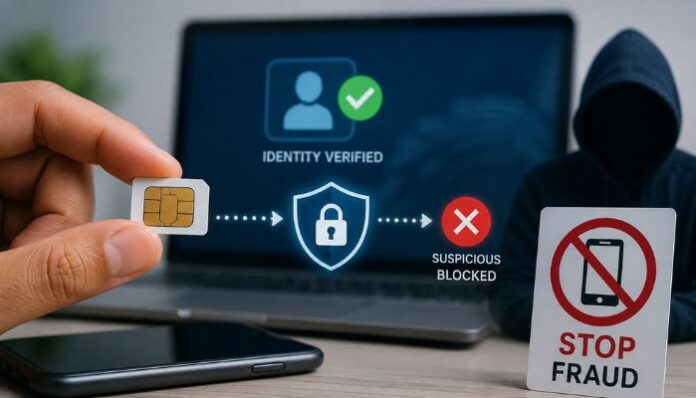
The government is planning to tighten the process for issuing new SIM cards to prevent their misuse in fraud and cybercrime, including so-called “digital arrest” scams. Under the proposed system, telecom companies may have to check customer details through a real-time digital intelligence portal before activating a new SIM, according to a report by NDTV Profit.
If the system finds an identity or customer detail suspicious, the SIM issuance could be automatically blocked. The aim is to identify potentially fraudulent connections before they become active, instead of taking action only after a mobile number has been misused.
Government Bid to Curb Digital Fraud
— TIMES NOW (@TimesNow) August 19, 2026
– Govt tightens checks on new SIM cards
– 'Real time verification to be mandatory'
– Telecom operators must verify customers
– Individual can have maximum 9 SIM cards
– J&K and North East: Maximum 6 SIM cards allowed@Sabyasachi_13… pic.twitter.com/lnNaHjFsJC
Real-time checks before SIM activation
Under the proposed changes, telecom operators would be required to carry out intelligence-based checks on customer information before issuing every new SIM card. The verification system is expected to help authorities detect suspicious identities and unusual patterns at the point of issuance.
The government is also looking at strengthening checks on the number of SIM cards registered in a person’s name. At present, an individual can have up to nine SIM cards. The limit is lower in Jammu and Kashmir, Assam and the northeastern states, where a person can have a maximum of six.
The proposed system could help flag unusual SIM ownership patterns and prevent people from obtaining large numbers of mobile connections for illegal activities.
Focus on ‘digital arrest’ scams
The move comes amid growing concerns over the misuse of mobile numbers in cyber fraud. In “digital arrest” scams, fraudsters often pretend to be police officers, government officials or other authorities and threaten victims with arrest or legal action.
By introducing stronger checks before SIM cards are activated, authorities hope to make it harder for fraudsters to obtain mobile connections that can later be used to target victims.
