

Uttar Pradesh has recorded major improvements in several social and development indicators over the last eight years, according to the latest National Family Health Survey (NFHS-6) released last week. The survey compared data from 2015-16 and 2023-24 and showed significant progress in areas such as healthcare, women’s empowerment, education, family planning, nutrition and access to basic facilities.
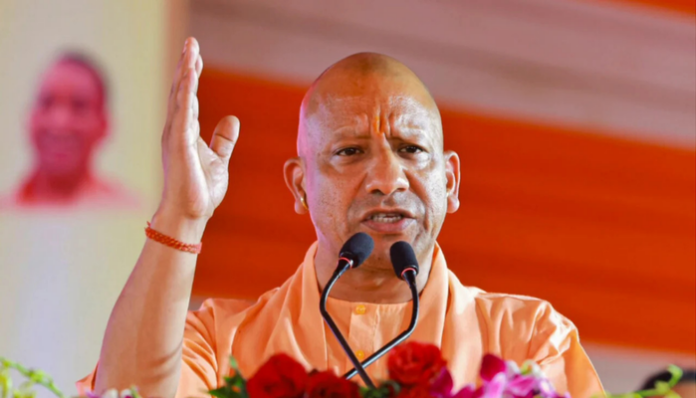
The report suggests that government welfare schemes, better healthcare delivery, infrastructure expansion and women-focused programmes have contributed to visible improvements in people’s lives across the state since Yogi Adityanath came to power in 2017.
Big improvement in electricity, healthcare and basic facilities
One of the biggest changes highlighted in the survey is the improvement in access to basic amenities. In 2015-16, only 71% of households in Uttar Pradesh had electricity connections. That figure has now increased to 95.8%.
The survey also showed a major rise in health insurance coverage. While only 6.1% of families were covered under health insurance or protection schemes earlier, the number has now increased to 37.2%.
Officials believe schemes like Ayushman Bharat and Chief Minister Jan Arogya Yojana have helped millions of poor families get access to healthcare support.
Access to safe drinking water has also improved in rural areas. The report said the coverage has increased from 96.4% to nearly 97.9%, showing improvement in living standards in villages and smaller towns.
Population control and family planning show positive results
The NFHS report also showed encouraging trends in population control and family planning. Uttar Pradesh’s Total Fertility Rate (TFR) has fallen from 2.74 in 2015-16 to 2.2 in 2023-24.
This decline is being seen as a major step towards population stabilisation in the state.
The number of married women using family planning methods has also increased significantly. According to the survey, usage has gone up from 45.5% to 63.8% over the past eight years.
At the same time, the percentage of women who wanted to delay childbirth but could not access family planning services has reduced sharply from 18 % to 10.8 %.
There has also been a slight improvement in adolescent pregnancy rates. Among girls between 15 and 19 years of age, the percentage who became mothers or were pregnant declined from 4% to 3.5%.
Maternal and child healthcare improves
The report highlighted major progress in maternal and child healthcare across Uttar Pradesh.
Government programmes, the work of ASHA workers and initiatives like Pradhan Mantri Surakshit Matritva Abhiyan have helped improve healthcare access for pregnant women.
Earlier, only 26.4% of women underwent four or more antenatal check-ups during pregnancy. Now, around 70.6% of women are receiving health check-ups during the first trimester itself.
Institutional deliveries have also increased sharply. In 2015-16, around 67.8% of deliveries took place in hospitals or healthcare centres. The latest survey shows the number has now risen to 85%.
Health experts believe this increase will help reduce maternal and infant deaths in the state.
Strong rise in immunisation and reduction in malnutrition
The state has also made strong progress in child immunisation.
According to the report, only 51.1% of children between 12 and 23 months were fully immunised in 2015-16. This number has now increased to 81.4%.
Officials said Mission Indradhanush and regular vaccination campaigns played a major role in improving immunisation coverage. The survey also showed improvement in malnutrition levels among children. The percentage of stunted children, meaning children with low height for their age, has fallen from 46.2% to 31.5%.
Similarly, the percentage of underweight children has reduced from 39.5% to 34.5%.
Schemes such as Poshan Abhiyan, Chief Minister Suposhan Abhiyan and Anganwadi services are being credited for helping improve nutrition levels among children and mothers.
Women’s education and financial independence see major boost
One of the most positive findings in the report is related to women’s empowerment.
The percentage of women aged between 15 and 49 years who completed 10 or more years of schooling has increased from 32.9% to 42.5%.
Financial independence among women has also improved dramatically. According to the survey, the number of women operating their own bank accounts has increased from 27.7% to 83.5%. Government schemes like Jan Dhan Yojana, Mission Shakti and the expansion of Self-Help Groups are being seen as important reasons behind this growth.
The report also pointed to improvement in women’s safety indicators. Cases of married women facing physical or sexual violence by husbands declined from 34.4% to 28.5%.
Experts believe better education, financial empowerment, awareness campaigns and stronger support systems for women have contributed to this change.
