

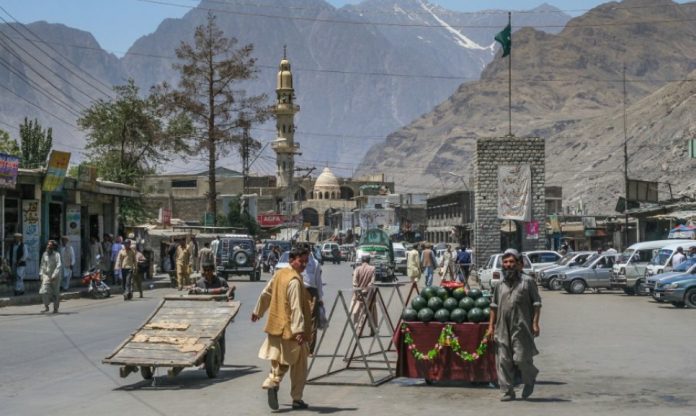
In an unprecedented development, Pakistan had decided to create a new province in the illegally-occupied territory of Gilgit-Baltistan (GB). The current political dispensation, which is hands-in-gloves with the Army, has given a nod to alter the so-called ‘autonomy’ of the region.
China to benefit from changing status quo of Gilgit-Baltistan
The decision had also received affirmation from all-parties and it will come into effect, post-elections in the occupied territory. Pakistan is thus set to create a 5th province with the designation of Gilgit-Baltistan as a new province. As per reports, the sudden move will benefit China and its ambitious China Pakistan Economic Corridor (CPEC). The Current provinces in Pakistan are Punjab, Sind, Balochistan, and Khyber Pakhtunkhwa or North-West Frontier Province.
Pakistan had procured billions of dollars as debt from China for CPEC to turn its financial fortunes. With the implementation of the decision, China can build an alternate road to the Malacca Strait, the primary shipping channel between the Pacific Ocean and the Indian Ocean.
Pakistan silences popular discontentment in favour of CPEC
To facilitate China’s ambitious initiative, Pakistan has deployed its army personnel at the occupied territory of Gilgit Baltistan to silence popular discontentment about CPEC. People in Gilgit Baltistan have raised objections on how China’s initiative can destroy the environment and the local culture.
Under the watch of the Special Assistant to Imran Khan on National Security, Moeed W Yusuf, Pakistan is planning to turn the Line of Control (LoC) into the international border. Reportedly, he had advocated his nefarious plans to change the status quo of the border, back in 2009. Yusuf also used his ties in the public-funded US Institute of Peace (USIF) to share sensitive information with Pakistani agencies such as the ISI.
Opposition parties in Pakistan speak against Army interference
On Wednesday, Maryam Nawaz hit out at the Pakistan Army establishment over its interference in deciding the fate of the occupied territory of Gilgit-Baltistan. She emphasised that political decisions must be made in the Parliament and not Army Headquarters.
She stated, “I don’t know about a dinner, maybe it was not a dinner [but] I heard about the meeting. From what I understand it (the meeting) was called to discuss Gilgit-Baltistan which is a political issue, an issue of the people’s representatives, for them to solve and deliberate upon. “These decisions should be made in parliament, not in GHQ. But the political leadership should not be called nor should it go to discuss such issues. Whoever wishes to discuss these issues should come to the parliament.”


