

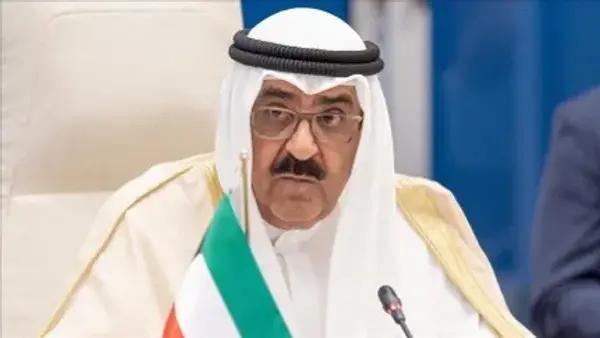
Kuwait’s emir once again dissolved the nation’s parliament on Friday, citing the prolonged political deadlock that has persisted in recent years. Sheikh Meshal Al Ahmad Al Jaber made this announcement in a televised address, also indicating the suspension of unspecified sections of the constitution for up to four years, without providing further details.
The 83-year-old Sheikh Meshal expressed concerns about the detrimental effects of the political atmosphere on Kuwait, leading to widespread corruption infiltrating various state institutions, including security, economic, and judicial bodies. He emphasised his commitment to safeguarding the interests of the Kuwaiti people, prioritising their welfare above all else.
In April, Kuwait conducted national elections for the fourth consecutive year to break the enduring political deadlock. However, internal political disputes, including disagreements over welfare system reforms, have persisted, hindering Kuwait from accessing debt and managing its finances despite its substantial oil wealth.
Kuwait, with a population of approximately 4.2 million and vast oil reserves ranking it sixth globally, has maintained a close alliance with the United States since the 1991 Gulf War. The nation hosts a significant American military presence, including around 13,500 personnel, as well as the regional headquarters of the U.S. Army.
Notably, Kuwait stands out among Gulf Arab states for its democratically elected parliament, which holds some oversight over the ruling family. Nevertheless, the ruling family retains the authority to appoint the government and dissolve the assembly as deemed necessary.
The move, however, has stoked wariness among the public, who fear the dissolution of the parliament and the suspension of some constitutional articles for four years would accelerate the dismantling of the semi-democratic traditions of the country, the only nation with some semblance of democracy in the Gulf region. Only Israel is an exception to the countries in the Middle East, where democracy has firmly taken ground and is flourishing. For the rest of the countries, many of whom often interfere in the internal affairs of other countries, including democracies, it is either the Islamic monarchy or some form of totalitarianism that rules the roost.


