

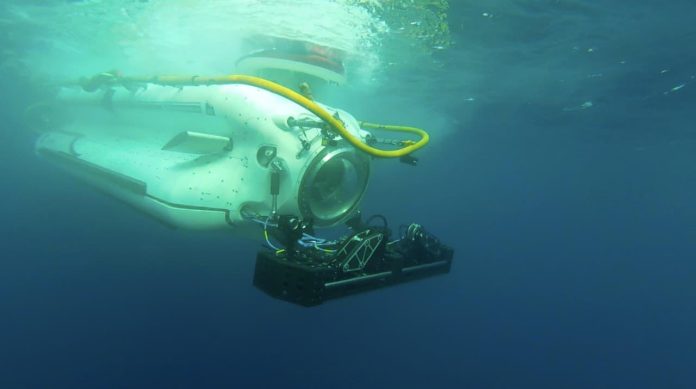
The Indian Navy has achieved a major breakthrough in its underwater rescue capability with the successful overseas deployment of its Deep Submergence Rescue Vehicle (DSRV) Tiger X during the multinational submarine rescue exercise XPR-25, hosted by the Singapore Navy.
For the first time, India’s submarine rescue system was operated outside the Indian Ocean Region, conducting full-scale rescue drills in the South China Sea and docking with allied submarines under simulated emergency conditions.
Exercise XPR-25, held between 15 and 25 September 2025, brought together naval forces from over 40 nations. It was conducted in two phases — the first being a shore phase (September 15–20) for planning and demonstrations, followed by a sea phase (September 21–25) dedicated to live exercises.
During the sea phase, three dedicated submarine rescue systems participated: Singapore’s MV Swift Rescue, Japan’s JS Chiyoda, and India’s newly commissioned INS Nistar, which carried the DSRV Tiger X. These rescue platforms worked alongside submarines from South Korea, Japan, and Singapore, which acted as “disabled submarines” (DISSUBs) for the exercise.
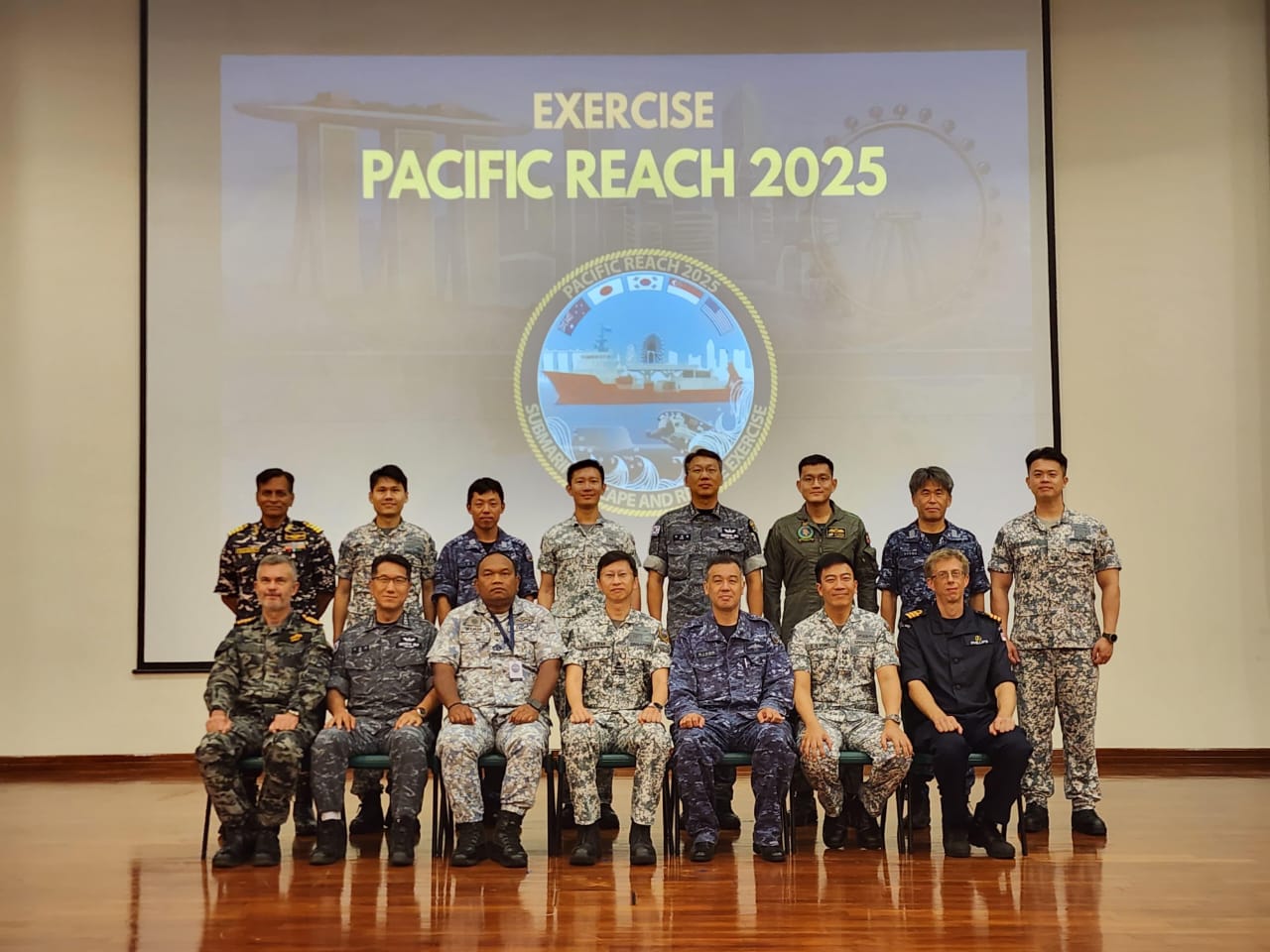
The defining moment of India’s participation came on 23 September, when Tiger X executed its maiden dive beyond home waters. The mini-submersible first achieved successful docking with South Korea’s submarine Shin Dol-Seok (S-082), and soon after, completed another mating with Singapore’s submarine RSS Invincible. These twin matings not only showcased the reliability of India’s submarine rescue system but also validated its interoperability with allied navies, a crucial requirement in real-world emergencies.
India currently operates two DSRVs procured from James Fisher Defence (UK) under a £193 million contract signed in 2016. Each system comprises the rescue vehicle itself, launch and recovery equipment, and the sophisticated Transfer Under Pressure (TUP) system. The TUP setup plays a critical role in deep-sea missions, as it allows submariners to be transferred from a stricken submarine into decompression chambers or lifeboats without sudden changes in pressure, thereby preventing decompression sickness.
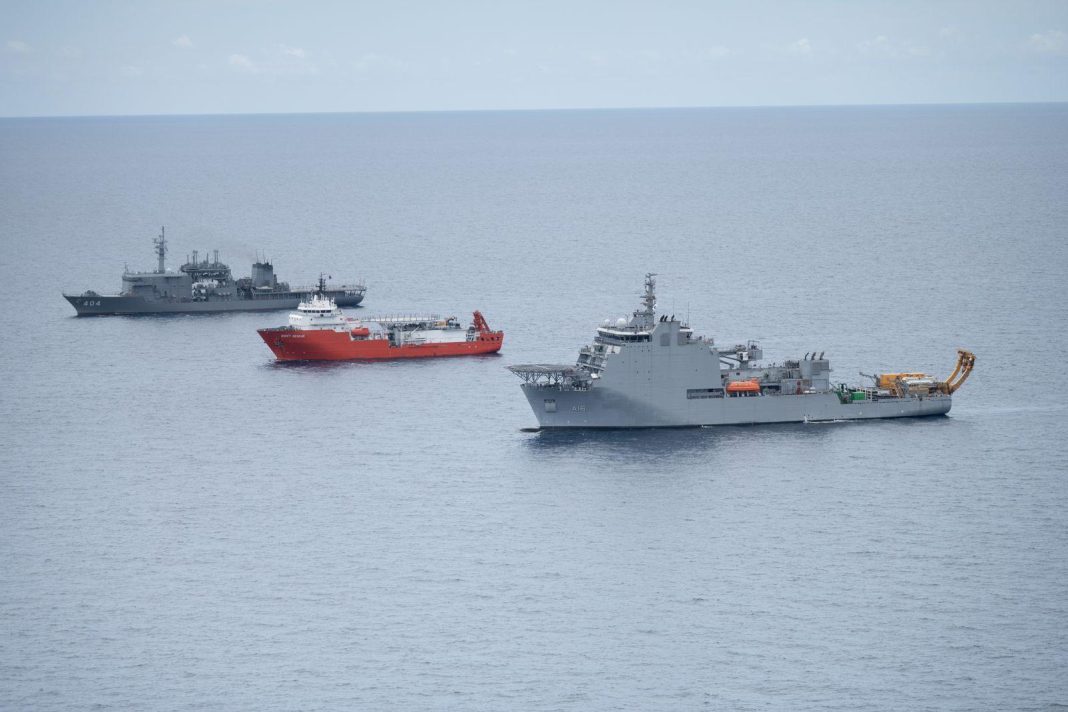
The exercise also marked the first operational deployment of INS Nistar, India’s indigenously designed Diving Support Vessel (DSV). Commissioned on 18 July 2025 and built by Hindustan Shipyard Limited (HSL), the 118-metre-long vessel has been assigned to the Eastern Naval Command at Visakhapatnam. With a displacement of over 10,000 tonnes and an endurance exceeding 60 days, Nistar is purpose-built to serve as a mothership for submarine rescue missions. It is equipped with a 15-tonne subsea crane, a diving bell, saturation diving systems capable of operating at depths of 300 metres, Remotely Operated Vehicles (ROVs), side-scan sonar, compression chambers, a Self-Propelled Hyperbaric Lifeboat (SPHL), and a helicopter-enabled flight deck.
The successful deployment of Tiger X and the debut of INS Nistar together represent a watershed moment in India’s undersea operations. Not only does this demonstrate the Navy’s enhanced readiness to safeguard its own submarine fleet, but it also positions India as a dependable partner in multinational rescue efforts across the wider Indo-Pacific. The ability to integrate seamlessly with foreign navies during XPR-25 has strengthened India’s reputation as both a strategic and humanitarian actor at sea.
