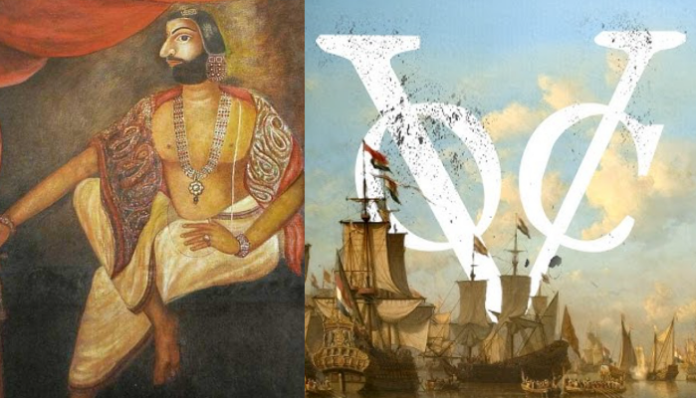
The Malabar Coast’s pepper, cardamom and cinnamon trade made the region enormously valuable to European powers. After Vasco da Gama reached Calicut in 1498, the Portuguese established a direct maritime route to India, followed by other European competitors. The Dutch East India Company, or VOC, founded in 1602, eventually sought to expand its control from Ceylon and secure monopolies over the Malabar spice trade.
Travancore emerged as a major obstacle to those ambitions under Marthanda Varma, who ascended the throne in 1729. Kerala was then divided among numerous small kingdoms and competing royal houses. Varma consolidated Venad, subdued neighbouring territories and captured strategically important areas such as Kollam and Attingal, bringing major pepper-producing regions and ports under Travancore’s control.
His expansion directly threatened Dutch commercial interests. Travancore refused to honour monopoly agreements the VOC had previously signed with territories that Varma had absorbed and allowed their spices to reach other traders. Between 1733 and 1734, the annexation of Maruthurkulangara, Eledattu Svarupam and Peritally further damaged Dutch procurement. Varma’s dealings with the British East India Company added to Dutch concerns.
Dutch officials first tried diplomatic pressure. Commander Julius Valentyn Stein van Gollenesse demanded that Travancore respect earlier monopoly agreements, while Governor of Ceylon Gustaaf Willem van Imhoff attempted to restrain Varma’s territorial expansion. By 1739, van Imhoff was advocating military action, warning that Travancore’s rise endangered Dutch trade. During negotiations, he threatened war if Dutch demands were rejected. Varma refused to retreat.
The confrontation turned into war in November 1739. The Dutch allied with kingdoms including Deshinganad, Kayamkulam and Kochi and initially scored several successes against Travancore. They captured artillery, advanced towards Attingal and Varkala, and reinstated the ruler of Elayadathu Swarupam. Travancore also faced pressure from Chanda Sahib, forcing Varma to fight on multiple fronts.
But the Dutch-led coalition suffered heavy losses, while reinforcements from Batavia were delayed. The British East India Company supplied Travancore with 150 soldiers, weapons and ammunition, and the Dutch were eventually compelled to withdraw. Their early victories nevertheless convinced them that Marthanda Varma could still be overwhelmed, setting the stage for the confrontation at Colachel that would transform the balance of power on the Malabar Coast.
Read the full article on Chapter One Magazine.