

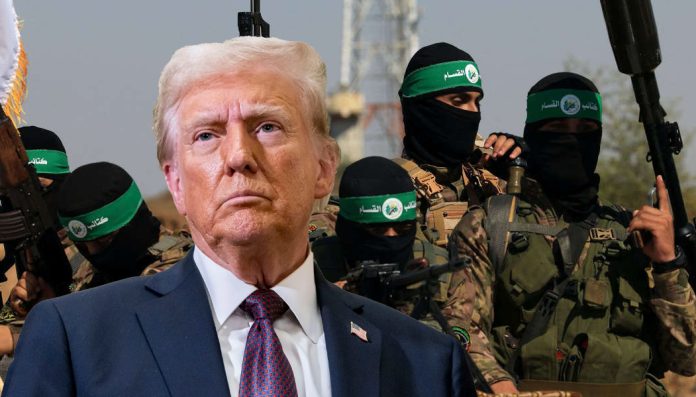
In a significant setback to U.S. President Donald Trump’s Nobel Peace Prize ambitions, senior Hamas officials have indicated the group is “likely” to reject his newly unveiled 20-point peace proposal for ending the war in Gaza, describing it as a plan that “serves Israel’s interests” while ignoring the core demands of the Palestinian people. The development comes just days after Trump issued a stark ultimatum, giving Hamas “three or four days” to accept the deal or face severe consequences, including intensified military action.
The BBC reported that Hamas’s military leader in Gaza has already objected to the ceasefire terms, signaling resistance from the group’s armed wing. The proposal, titled the “Comprehensive Plan to End the Gaza Conflict,” was made public by the White House on Monday and has garnered swift backing from Israeli Prime Minister Benjamin Netanyahu, as well as pledges of support from several Arab and Muslim nations, including Saudi Arabia, the United Arab Emirates, and Turkey. Prime Minister Narendra Modi has also endorsed the plan, along with several world leaders.
Key elements of the plan include an immediate ceasefire, the release of all remaining hostages held by Hamas within 72 hours, a phased Israeli troop withdrawal from parts of Gaza, and a commitment to disarm the military wing from Hamas. The proposal includes barring Hamas from any future governance role in the territory. It also outlines a pathway for Gaza’s reconstruction, funded by international donors, and envisions long-term steps toward a Palestinian state, though details on borders and sovereignty remain vague.
A senior Hamas figure, speaking exclusively to the BBC from Qatar, dismissed the initiative as unbalanced, stating, “This plan ignores the interests of the Palestinian people and offers nothing new beyond what Israel has already demanded.” The official, who requested anonymity due to the sensitivity of negotiations, added that the proposal’s insistence on Hamas’s disarmament and exclusion from post-war administration effectively amounts to “surrender” without addressing issues like the blockade of Gaza or the broader Israeli occupation.
A report by the Times of Israel suggests internal divisions within Hamas leadership, with some factions open to amendments, particularly softening the disarmament clause, while hardliners view acceptance as a betrayal of their resistance mandate. Palestinian sources indicate the group has requested “two or three days” to finalize its response and is engaging mediators from Qatar, Egypt, and Turkey, who have reportedly urged Hamas to seize the opportunity to avert further devastation in Gaza. The report stated that the group that wants to agree with the peace deal does not have control over the hostages, therefore their say in the matter is limited.
“The deal would dismantle Hamas’s military capabilities and end its political rule, ensuring Gaza never poses a challenge to Israel,” one mediator told Reuters, highlighting the high stakes.
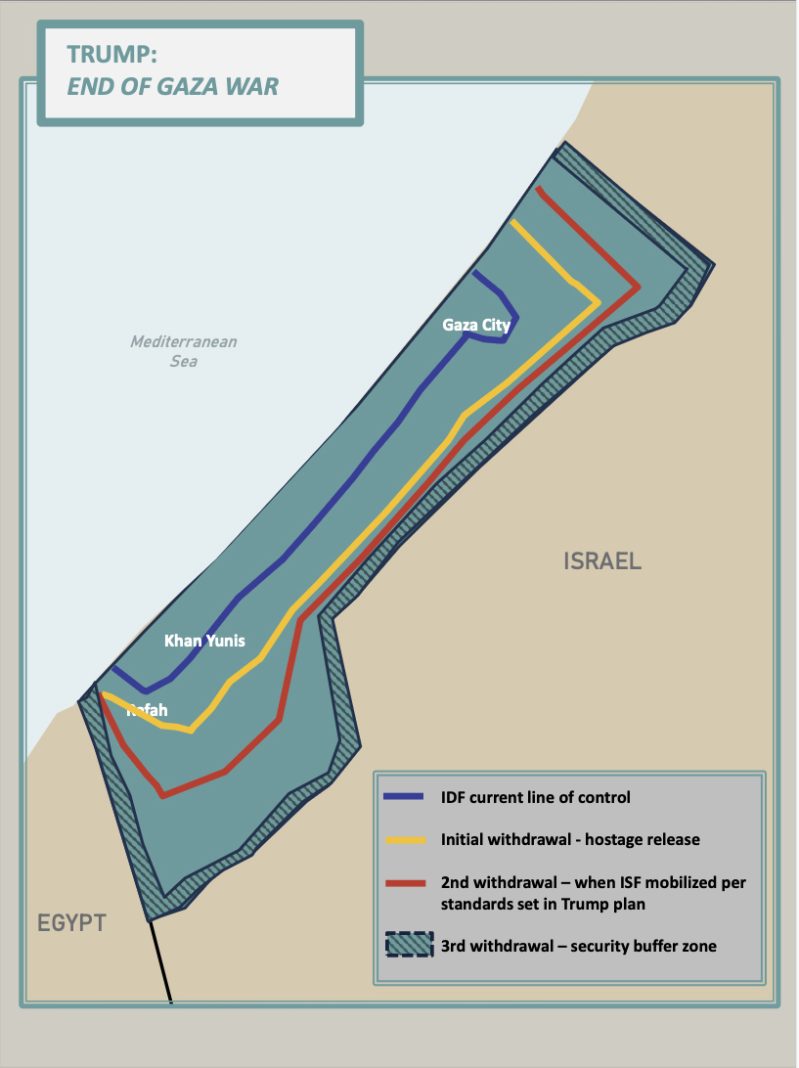
Trump, addressing reporters at the White House, doubled down on his deadline, warning that rejection would lead to “hell” for Hamas leaders and prolonged suffering for Gazans. “We’ve got momentum—Israel’s on board, the Arabs are on board. Hamas has to get on board, or pay the price,” he said. The plan’s momentum was further underscored by European leaders, including UK Prime Minister Keir Starmer and French President Emmanuel Macron, who welcomed it as a “significant step” toward stability, though they cautioned that sustainable peace requires addressing Palestinian statehood more robustly.
On the ground in Gaza, tensions escalated as Israel’s defence minister announced a “tightening of the siege” around Gaza City, ordering civilians to evacuate northern areas in anticipation of potential operations if talks collapse. With the war entering its second year and several Israelis still held hostage by the terror group, the rejection by Hamas risks derailing what Trump hailed as a “historic” breakthrough.
A Hamas rejection to the peace deal will mean Israel will continue to its military operations in Gaza Strip.
