

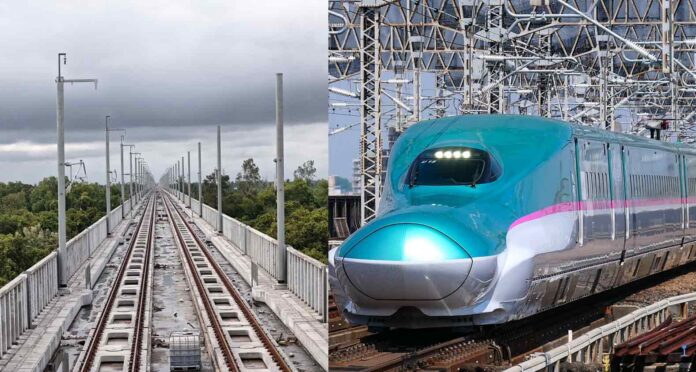
A recent tweet by former Japanese Justice Minister Hideki Makihara, sharing an article from Toyo Keizai Online by railway consultant Isao Tsujimura, has been widely circulated on social media. His words about Indians “pushing their own self-interest” and the bullet train project being a “failure” are being presented by many as proof of something shady, as if Makihara is talking about the personal interests of ministers or officials.
インドでの新幹線計画は、私も関わったことがあるのですが、国際会議や交渉の場で繰り返されるインド人の無茶苦茶ぶりが際立っていました。とにかく約束を守らない。約束してもすぐにひっくり返す。自己利益を最後まで主張し続ける。特に担当大臣はひどく、一番上があれではまともな取引なんてできませ…
— 牧原秀樹 まきはらひでき (@hmakihara) July 14, 2026
That interpretation is completely off the mark. Both Makihara and Tsujimura are speaking from the Japanese side of the table. They are frustrated that Japan is losing out on lucrative contracts for trains and, especially, the critical signalling system, in India’s high-speed rail system. What they describe as Indian “recklessness” or “not keeping promises” is simply India negotiating hard for its own national interest, getting a high-speed rail corridor built sooner, at a more reasonable cost, while developing domestic manufacturing capability.
Tsujimura, a Japanese railway engineer living and working in Delhi as a metro vehicle consultant, has followed the project closely even though he has no direct involvement. In his July 2026 Toyo Keizai article, he describes how things gradually diverged from the original Japanese vision. He claims that the “Indian Shinkansen” project has failed despite PM Takaichi’s recent visit to India. His major opposition to the project is due to the fact that the Japanese signalling system has been excluded from the project.
Original plan and diversion
The original 2015 agreement between India and Japan for the 508-kilometre Mumbai-Ahmedabad High-Speed Rail corridor was designed around Japanese Shinkansen technology. Japan offered a soft loan covering most of the cost at an almost negligible 0.1 per cent interest, repayable over 50 years. In return, India was supposed to import everything from Japan: Japanese trains, Japanese signalling (Digital Shinkansen Automatic Train Control or DS-ATC), and Japanese systems. Initially, even civil works were supposed to be carried out by Japanese companies, it was opened to Indian contractors to control overall costs. The groundbreaking took place in 2017 with great fanfare. The original target of full opening by 2023 was always optimistic, which was missed due to various reasons.
Now, the project is progressing smoothly, but with several changes from the original plan. India is not using the Japanese signalling system, nor the older version of Japan’s Shinkansen trainset, and various Indian systems are being integrated into the project. This has been viewed as ‘betrayal’ by Makihara and Tsujimura, and they think the project is a ‘failure’ because of this. They also think the Japanese Shinkansen can’t run on non-Japanese signalling systems.
The Trainset
While the original plan included starting with Japan’s E5 trainset, it has been rejected by India, and it has selected the E10 train, which is still under development. Tsujimura admits that the E5 price refused to come down, making it prohibitively costly for India. Talks over the older E5-series trains stalled because India found them too expensive, and also over India’s demands for modifications in the train. As a result, negotiations on the E5 trainset were terminated in 2024.
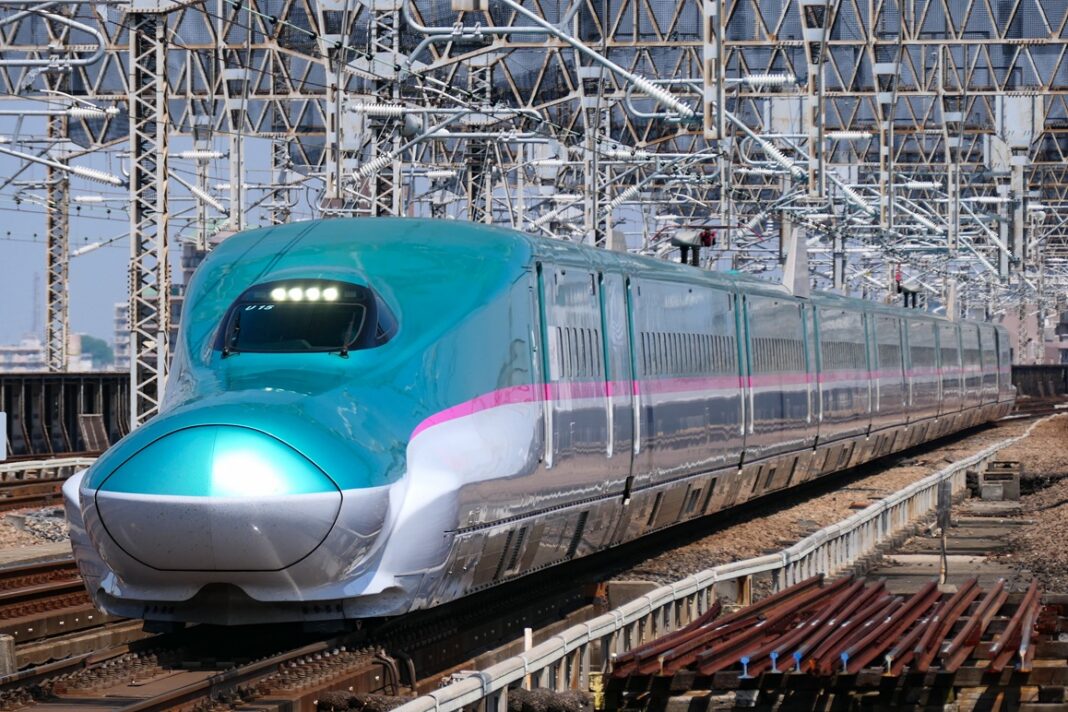
The newer E10 series that Japan later offered is still under development and not expected to be ready for Indian conditions for years; it will be operational by early next decade. While the project was delayed, it has now progressed considerably, and the track and civil infrastructure are almost completed. India did not want a nearly completed, extremely expensive corridor sitting idle, waiting for Japanese E10 trains.
So, the Indian government decided to start commercial operations with its own trains first. Success with Vande Bharat trains meant that India now has the capability to build high-speed trains, giving confidence to the government to start the high-speed rail system with indigenous trains.
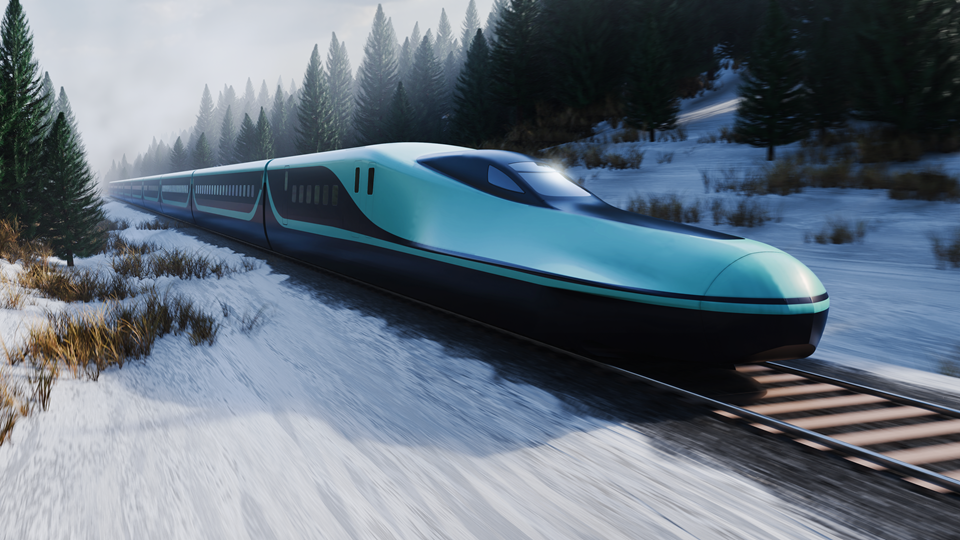
Isao Tsujimura says that Vande Bharat trains rarely run at speeds over 130 km per hour, but that is due to the limitations of existing track and signalling systems, not due to any deficiency of the trains, as they have achieved higher speeds in trial runs. Therefore, the scepticism about India’s ability to make high-speed trainsets is misplaced. As the Mumbai-Ahmedabad track is a dedicated high-speed network, trains will not face the limitations faced on existing old tracks.
Therefore, BEML in Bengaluru was given the order to build indigenous high-speed B28 trainsets capable of hitting a speed of 280 kmph. BEML has stated that each coach for the trains will be manufactured at a cost of ₹27.9 crore, which is significantly lower than the price of each Shinkansen E5 coach, approximately ₹46 crore. The E5 train can hit 320 kmph, B28 will be slower, but still much faster than any other Indian train. Globally, most high-speed trains run at above 250 kmph.
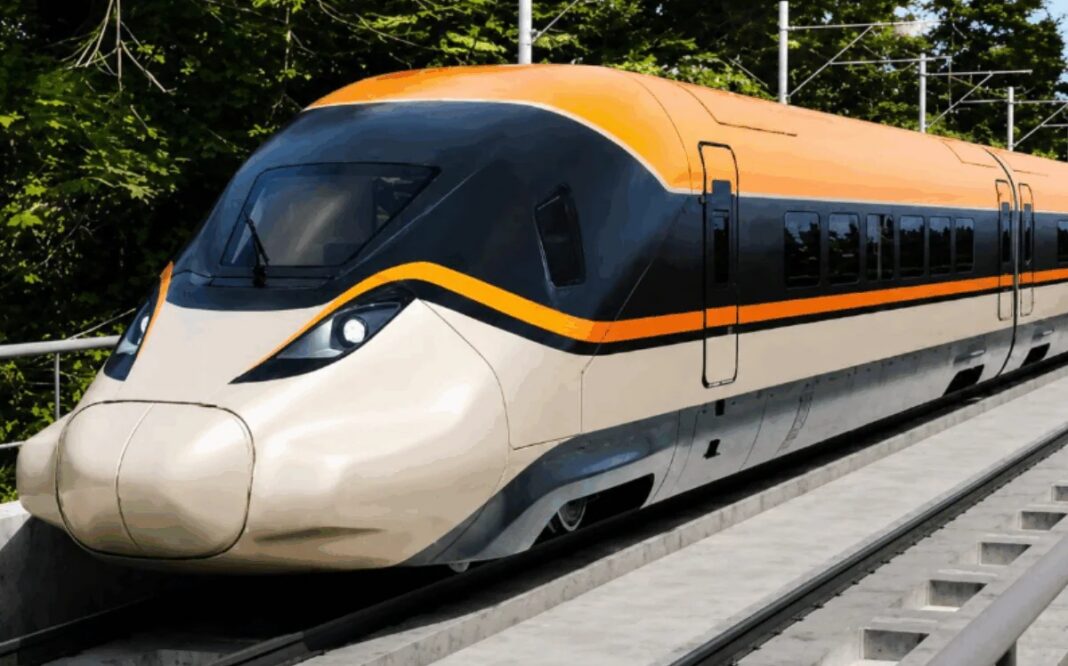
The first section is targeted for next year with Indian trains. According to the Government of India sources, Japan also agreed to start the project with India-made trains.
It is important to note that while India refused to purchase the E5 trainset, the country is committed to acquiring Japanese E10-based trains to turn the project into a true high-speed rail network. The train is still under development, and India is expected to acquire it in the early 2030s.
Signalling System
Tsujimura and Makihara are most concerned about dropping the Japanese signalling system from the Indian project, and called it a ‘betrayal’ by the Indian side. While Japan was expecting that India would buy their Digital Shinkansen Automatic Train Control (DS-ATC) signalling system for the project, India insisted on internationally certified standards, and also wanted interoperability with existing networks in the country.
Using the Japanese signalling would have meant it could be used only with Japanese bullet trains. As the E5 train was ruled out and the E10 train is not yet in production, this would have meant that the track completed with all systems would be lying idle till E10 trains arrive. Therefore, the Japanese System, which has an impeccable record of no passenger deaths due to accidents, unfortunately, didn’t meet India’s requirements.
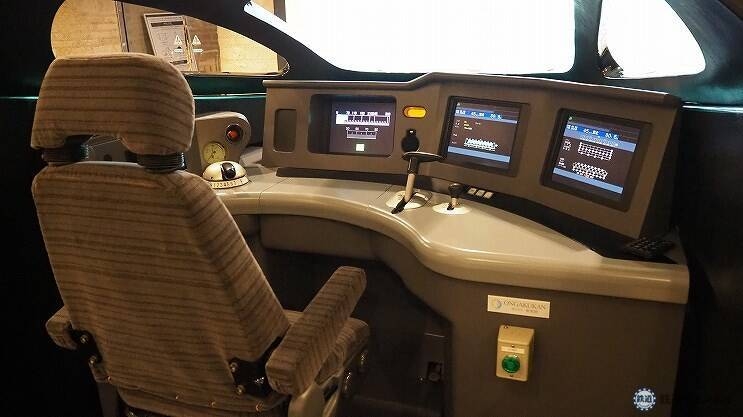
Therefore, India decided to invite a global tender for the signalling system. The tender specifications effectively favoured the European Train Control System (ETCS) Level 2. A Siemens-led consortium with Indian partner DRA Infracon won the roughly ₹4,100-crore contract. The ETCS Level 2-based signalling and train control technologies are being installed to support train operations at speeds up to 350 kmph, enabling real-time train supervision, continuous wireless communication, and centralised traffic management.
India already has operational experience with ETCS Level 2 on the Delhi-Meerut Regional Rapid Transit System (Namo Bharat), supplied by Alstom. That system is a widely used international standard, supports high speeds, and offers better interoperability and potential for future Indian exports. Japanese DS-ATC is proprietary and tied tightly to Japanese rolling stock. From India’s point of view, switching to ETCS made commercial and operational sense: it allowed earlier utilisation of the infrastructure with Indian-made trains and avoided locking the entire project into a single expensive supplier for the critical safety system.
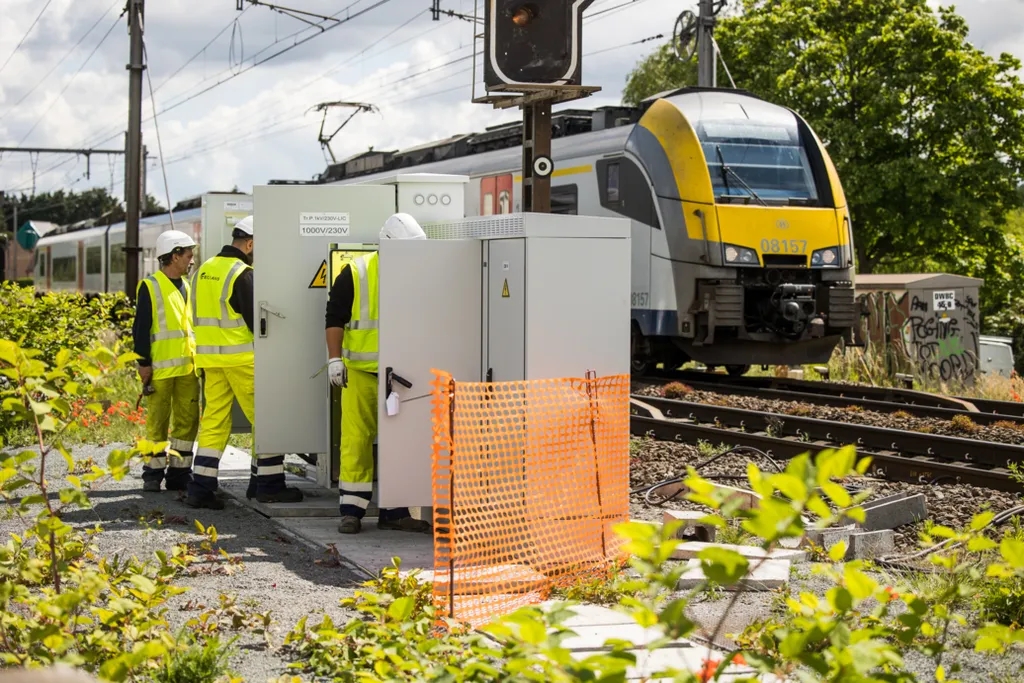
Tsujimura and Makihara see this as Japan being “excluded” from the heart of the project. They argue that Japanese Shinkansen trains are not designed to run on ETCS and that mixing systems creates safety and operational risks. That concern is not baseless. Pure Japanese trains would need onboard modifications or dual systems, and coexistence studies are still being discussed. Yet the claim that bullet trains simply “cannot” run on different signalling is overstated.
Technical adaptations, retrofits, and parallel installations are possible, as seen in other rail networks around the world. Siemens Mobility Sales Head Pankaj Rastogi has said that Japanese trains will need to be retrofitted to use ETCS signalling systems, which means it is possible.
India, a better negotiator
The Japanese side is not happy about the loss of the signalling package and E5 trainset supply. Their frustration is understandable from an industrial and national perspective. Japan provided the cheap, long-term money, expecting its companies to supply the high-value technology packages. India took the money for the infrastructure and then insisted on better terms and greater self-reliance for the systems that run on it.
This is not a story of corruption or betrayal. It is a case of India using its leverage. Soft loans almost always come with expectations of tied procurement. India renegotiated, limited Japanese participation in civil works, chose a different signalling standard that is not locked to one system, and ordered its own trains so the line can open in phases starting in 2027.
India has long been known as a tough negotiator. Even Donald Trump has publicly called Prime Minister Narendra Modi a tougher and better negotiator than himself. That reputation is not a flaw; it is a feature when a large developing country is dealing with advanced industrial partners in projects worth billions.
Japan’s engineering excellence, particularly the unmatched safety record of the Shinkansen, deserves respect. The soft loan terms remain highly favourable to India. But India had its own reasons not to use some parts from Japan. However, the entire corridor is being built according to the Japanese specifications.
Delayed but progressing well
Isao Tsujimura also talked about delays in the project, which is true. A major reason for earlier delays was land acquisition, especially in Maharashtra. Under the previous non-NDA Maha Vikas Aghadi government in the state, progress on land and clearances slowed significantly. Once the NDA government took over, approvals moved, and work accelerated. Gujarat, under continuous NDA rule, progressed faster throughout. These political and administrative realities on the ground matter more than any accusation of “not keeping promises.”
At present, work on the project is progressing rapidly, large stretches of viaducts and piers are complete, land acquisition for the entire corridor is finished, and work continues at pace. The government is certain that the first made-in-India high-speed trainsets will run on the completed sections of the network by next year.
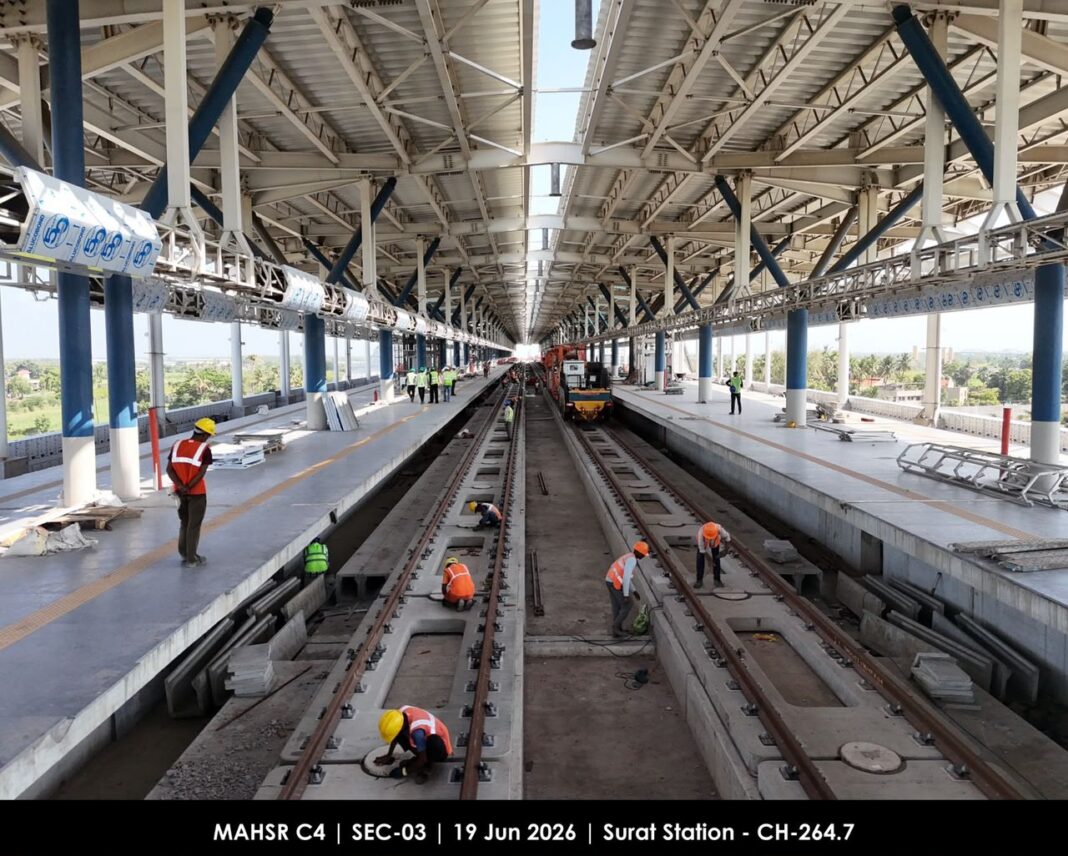
Therefore, the claim that the project is a ‘failure’ is completely incorrect. Yes, it will not be a true Shinkansen, as Japan was expecting, but it will be India’s own high-speed rail network, with technology and systems from Japan, Europe, and India.
As the corridor is being built, the Indian industry is gaining experience in high-speed rolling stock and systems integration. The project is not a failure; it is evolving into something more balanced for the Indian side.
Makihara’s experience of difficult Indian negotiations and Tsujimura’s technical disappointment are genuine from their viewpoint. But framing them as evidence of Indian betrayal or project collapse misses the larger picture. India is protecting its taxpayers’ money, accelerating useful infrastructure, and building its own capability. In international deals, the country that can push hardest for its own long-term benefit usually ends up better off. India is doing exactly that.


