

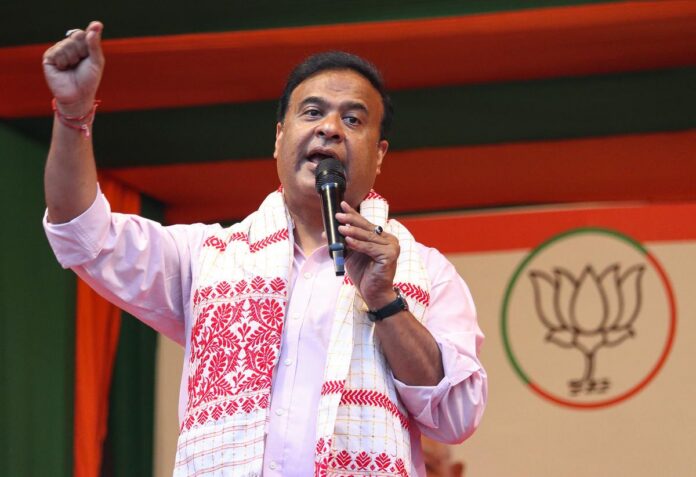
As Assam heads into the high-stakes Assembly elections of 2026, the political battle is increasingly being defined not just by campaign narratives, but by organisational strength and internal cohesion. In a telling development, the Congress’s attempts to poach disgruntled BJP leaders, particularly after a large-scale ticket reshuffle, have largely failed, underscoring the ruling party’s tight internal discipline under Chief Minister Himanta Biswa Sarma.
In a bold move ahead of the polls, the BJP dropped as many as 19 sitting MLAs, including a Cabinet Minister, a former state president, and a deputy speaker. Such sweeping exclusions typically open the door for opposition parties to lure sidelined leaders. However, in Assam, that script has not played out.
Despite reportedly making aggressive outreach efforts, Congress has been unable to secure any major defections from the BJP. Dispur MLA Atul Bora, who was denied a ticket, chose to remain with the BJP, resisting overtures from the opposition. Similarly, Jayanta Das, who had earlier joined the BJP from the Asom Gana Parishad (AGP), did not switch to Congress either, instead opting to contest independently.
Political observers see this as a significant setback for Congress, which had hoped to capitalise on internal dissatisfaction within the BJP. Instead, the ruling party has managed to contain any potential fallout, presenting a united front at a crucial juncture.
Sources suggest that Chief Minister Himanta Biswa Sarma played a direct role in ensuring this cohesion. He is said to have personally reached out to leaders who were denied tickets, either through phone calls or meetings, persuading them to stay aligned with the party. This hands-on approach appears to have neutralised the possibility of rebellion or large-scale defections.
The BJP has consistently projected organisational discipline as a core strength, often attributing it to its ideological framework and cadre-based structure. The events unfolding in Assam seem to reinforce that claim, with even disgruntled leaders choosing not to cross over to rival camps.
In contrast, Congress finds itself struggling to convert opportunity into advantage. While the BJP’s ticket overhaul could have been a moment to expand its base, the opposition’s inability to attract key leaders has exposed limitations in its political outreach and credibility on the ground.
Adding to its challenges are ongoing internal frictions and complexities in alliance management. The party’s tie-up with regional players like Raijor Dal has already led to contentious seat-sharing decisions, with some analysts suggesting that these moves may inadvertently weaken Congress’s position in certain constituencies.
As the election approaches, the failed poaching attempts serve as a telling indicator of the current political dynamics in Assam. While the BJP appears to have successfully insulated itself from internal churn, Congress faces the tougher task of consolidating its ranks and mounting a credible challenge in a rapidly consolidating political environment.
