

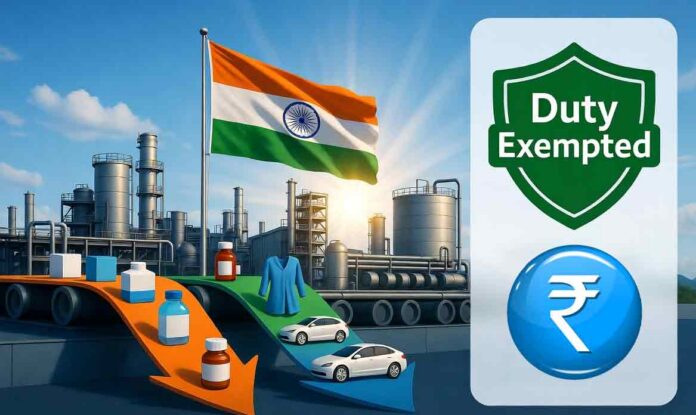
In a targeted measure to ease supply-chain pressures, the Indian Government has announced a full exemption from customs duties on a wide range of critical petrochemical products, effective immediately and lasting until 30 June 2026.
The decision, announced by the Ministry of Finance, comes in response to the ongoing conflict in West Asia, which has disrupted global supply chains for key industrial inputs. The temporary relief is designed to ensure the continued availability of essential petrochemical feedstock and intermediates for domestic manufacturers, reduce cost pressures on downstream industries, and maintain overall supply stability across the economy.
The exemption covers more than 40 products, including anhydrous ammonia, toluene, styrene, methanol, monoethylene glycol (MEG), phenol, acetic acid, purified terephthalic acid (PTA), various polymers such as polyethylene, polypropylene, polyvinyl chloride (PVC), polystyrene, and specialised resins like epoxy and polycarbonates. A detailed list of the exempted items, complete with Customs Tariff Heading (CTH) codes, has been notified by the ministry.
The full list of products exempted from customs duty is given below:
- Anhydrous ammonia
- Toluene
- Styrene
- Dichloromethane (methylene chloride)
- Vinyl chloride monomer
- Methanol (methyl alcohol)
- Isopropyl alcohol
- Monoethylene Glycol (MEG)
- Phenol
- Acetic acid
- Vinyl acetate monomer
- Purified Terephthalic Acid (PTA)
- Ethylenediamine
- Di Ethanolamine and Mono Ethanolamine
- Toluene di-isocyanate
- Ammonium nitrate
- Linear alkylbenzenes
- Polymers of ethylene (including Ethylene-vinyl acetate)
- Polypropylene
- Polystyrene
- Styrene-acrylonitrile (SAN)
- Acrylonitrile-butadiene-styrene (ABS)
- Polyvinyl Chloride (PVC)
- Polytetrafluoroethylene
- Polyvinyl acetate
- Polyvinyl alcohol
- Poly (methyl methacrylate)
- Polyoxymethylene (POM- acetal)
- Polyols
- Polyether Ether Ketone (PEEK)
- Epoxy resins
- Polycarbonates
- Alkyd resins
- Poly ethylene terephthalate (PET) Chips
- Unsaturated polyester resins
- Poly butylene terepthalate
- Formaldehyde, Urea formaldehyde, Melamine formaldehyde, Phenol formaldehyde
- Polyurethanes
- Polyphenylene sulphide (PPS)
- Poly butadiene, Styrene butadiene
The move is expected to provide significant support to a broad spectrum of manufacturing sectors that rely heavily on these petrochemical inputs, including plastics, packaging, textiles, pharmaceuticals, chemicals, automotive components, and other industrial segments.
By eliminating import duties on these essential raw materials, the industry will be cushioned from rising production costs due to the rise in global crude oil prices. This is likely to translate into stable prices for a wide array of everyday consumer goods. Prices for packaging material, textiles and clothing, pharmaceuticals and personal-care products, automotive parts and components and others will be prevented from going up as a result of this move.
