

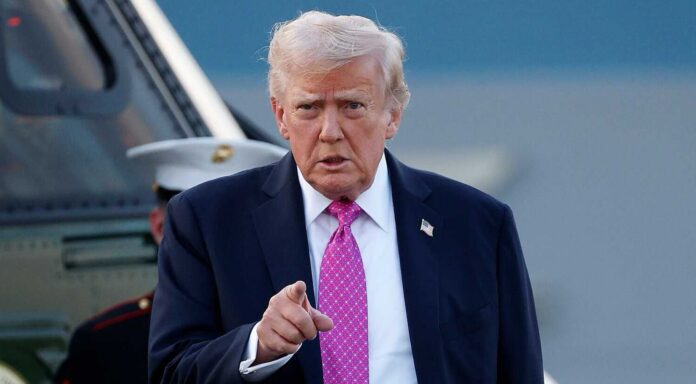
Speaking to ABC News journalist Jonathan Karl, Trump indicated that the proposal, originally floated by Iran, could evolve into a cooperative arrangement between the two countries. “We’re thinking of doing it as a joint venture,” Trump said, adding that such a mechanism could help secure the strategic waterway while also generating revenue. The Strait of Hormuz remains one of the world’s most critical chokepoints, handling nearly a fifth of global oil shipments.
The idea, however, was not part of Iran’s previously outlined peace framework, which Trump had earlier described as “workable.” Despite this, the president appeared to embrace the financial potential of the proposal, writing on Truth Social that there was “big money” to be made by managing maritime traffic through the strait. He suggested that the US could maintain a visible presence in the region to oversee operations and ensure stability.
Trump had earlier hinted that Washington might independently impose tolls on vessels transiting the channel. Meanwhile, Iranian officials have signalled plans to establish a “toll booth” system to charge ships for safe passage, with proceeds expected to fund post-conflict reconstruction. Reports also indicate that a portion of the revenue may be shared with Oman, though details remain unclear.
The proposal has drawn criticism within the US administration. Secretary of State Marco Rubio reportedly described Iran’s tolling plan as “illegal” and “dangerous for the world,” warning that it could disrupt global trade and energy flows. He noted that while the US and its allies would need to respond, Washington may not take the lead in countering such a move.
The broader ceasefire agreement, finalised just hours before Trump’s stated deadline, has been described by US officials as a tentative breakthrough. Vice President J.D. Vance called it a “fragile truce” and cautioned that any attempt by Iran to violate the terms would invite serious consequences.
The lead-up to the agreement was marked by heightened rhetoric. Trump had warned that failure to reopen the strait and reach a deal could result in devastating consequences for Iran, a statement that triggered sharp reactions in Washington. Several lawmakers criticised the remarks as excessive and dangerous, with some Democrats raising the prospect of invoking the 25th Amendment. Representative John Larson also introduced articles of impeachment, citing the president’s threat as grounds for removal.
