

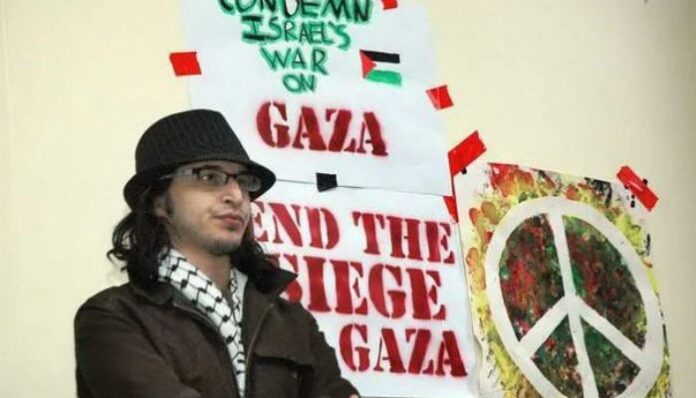
The BBC has hired Hicham Yezza, a former prisoner who has described Hamas attacks as “resistance” and accused Israel of ethnic cleansing, to help guide the organisation’s use of artificial intelligence (AI) in news reporting. His appointment has raised questions about the impartiality of staff involved in the BBC’s news operations.
According to The Telegraph, Yezza is the principal data scientist in BBC’s Responsible AI division. His work includes guiding the BBC’s approach to responsible AI use and studying how AI assistants present news content. He joined BBC Monitoring in 2021, where he prepared reports on international news, including the war in Gaza.
Past social media posts on Israel
Before joining the BBC, Yezza used social media to describe Israel as an “apartheid regime” built on stolen land. In 2018, he also accused Israel of ethnic cleansing. In 2021, he described rockets fired from Gaza into Israel as part of Palestinian efforts to “resist”.
Yezza founded the pro-Palestinian magazine Ceasefire in 2003 and was listed as its editor-in-chief until recently. The BBC told The Telegraph that he had not worked for the magazine since joining the corporation and that his continued listing on its website was a mistake. The BBC also said he had not broken its social media rules during his employment.
Under his editorship, Ceasefire published sympathetic articles about Talha Ahsan, describing him as a young Muslim poet with Asperger’s and questioning the evidence in his terrorism case. Ahsan later pleaded guilty to two terrorism offences.
Arrest, terrorism manual and immigration conviction
Yezza, who was born in Algeria, was arrested in 2008 after police found an al-Qaeda terrorist training manual in his possession. He was released without charge after explaining that he was helping a friend with academic research on militant Islam.
He was arrested again on immigration charges after overstaying his visa by more than five years. In 2009, he was convicted of avoiding immigration enforcement through deception and sentenced to nine months in prison.
Yezza had claimed that his passport, which contained his visa stamp, had been stolen. However, officers found it at a flat he used as a postal address, showing that his visa had expired in 2003. The sentencing judge described his actions as deliberate and serious deception.
During his campaign against deportation, Yezza received support from Moazzam Begg, a former Guantánamo Bay detainee whose passport has been revoked three times over security concerns. Yezza won his deportation appeal in 2010 and is now a British citizen.
Questions over the BBC’s impartiality
The BBC requires employees to maintain professional impartiality, particularly those involved in news coverage. The Telegraph has reported on several BBC employees who have expressed strong views on social media, especially about Israel.
Yezza’s appointment comes as the broadcaster faces scrutiny over its coverage of the Gaza war and the views of staff involved in news production. His role in shaping AI tools that may influence how audiences receive news has added to questions about whether the BBC is applying its impartiality rules consistently.
