

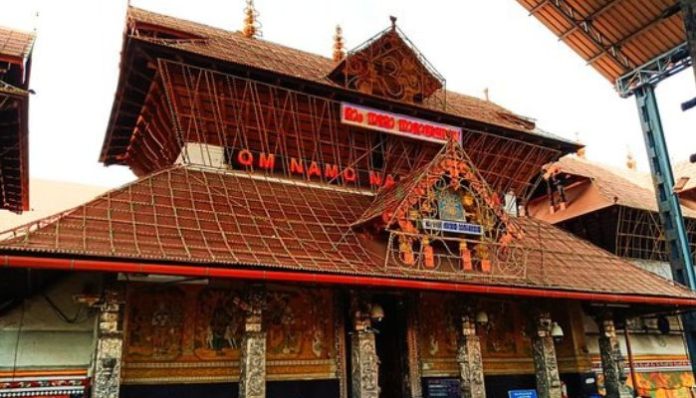
Recent audits conducted by the Kerala government of the Guruvayur Devaswom have once again shown how poorly the valuables of the famous Sri Krishna temple are being managed. The temple’s treasures, ranging from gold and silver to ivory and even manjadikuru (the small red lucky seeds offered by devotees), appear to be at constant risk due to weak recordkeeping and lack of accountability. The revelations, detailed in the 2019–20 and 2020–21 reports of the state audit department, are a cause for concern. Even as the temple is so rich and holds such significance, its administration remains disorganized, clandestine, and open to misuse.
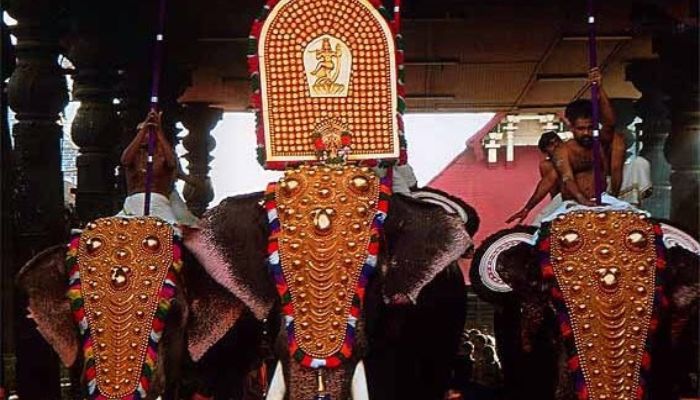
One of the most significant issues that have been raised in the audit reports is ivory and elephant tusk handling at the Devaswom’s Punnathur Kotta elephant sanctuary. During its 2019–20 audit, the department learned that ivory collection and tusk-trimming during that year involved 522.86 kilograms of ivory. However, none of this ivory was handed over to the forest department, which is required by law.
Ivory handling raises legal and ethical concerns
From April through to November 2019, ivory in different weights, 505 kg (26th September, 2019), 14.18 kg (19th September, 2019), remaining stock of 2.35 kg in 2018–19, 730 grams (22nd April, 2019), 320 grams (14th July, 2019), and 280 grams (29th July, 2019), was either removed or stored without due documentation. Even obligatory documents such as the mahazar (official seizure memorandum) and handover receipts were entirely absent.
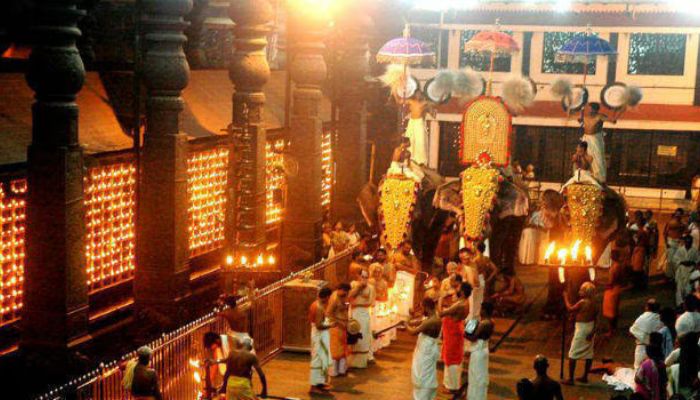
The 2020-21 audit report found that the total expenditure of the various Devaswom-related establishments, including resthouses, was around Rs 25 crore more than their combined revenue. It also noted that during the 2020-21 financial year, the temple’s expenditure was three times its income situation not seen since 2016-17.
The audit directly quoted a letter from the assistant conservator of forests that instructed the Devaswom to provide a list of the tusks and ivory pieces within its custody within ten days. The Devaswom, however, did not give the information nor handed over the ivory to the forest department. This points to not only a serious failure in compliance but also to the danger that huge amounts of ivory could be outside legal control, unaccounted for and unrecorded.
Temple board shifts blame to previous administration
When spoken to on this matter, Guruvayur Devaswom chairman V.K. Vijayan responded that the issue is one prior to the time when the present board came to power. He noted that the question had already been taken up in court, and the Devaswom had presented its reply there. “These observations refer to a period before our tenure. Since 2022, six elephants have died, and in every case, the postmortem was conducted in the presence of forest officials. We never received the ivory from those elephants, only the postmortem reports,” Vijayan clarified.
Inside the temple, the audit found several irregularities in the “double-lock register,” which is meant to track gold and silver articles used in daily rituals. Many items showed unexplained weight loss after being used and returned. For instance, one silver pot became lighter by 1.19 kg over ten months, while a silver lamp lost several hundred grams. In some cases, the returned products were not even made of the same metal, a gold crown being exchanged with a silver decoration, and a 2.65 kg silver container being returned at a paltry 750 grams. No one seemed to raise an eyebrow about these variations, and no inquiry or disciplinary action has been recorded.
17 sacks of manjadikuru also missing
The 2019–20 audit also unearthed another odd case, the disappearance of 17 sacks of manjadikuru from the temple’s western tower. These sacks, containing the red seeds offered by devotees, had been auctioned at Rs 100 per kilogram but were never collected by the bidder. They were later seen in CCTV footage being loaded onto a Devaswom tractor by health department workers. Officials later claimed that the sacks were moved to a nearby godown to clear space, but no one could produce any clear record of where they were taken or what happened to them afterward.
Costly donations and offerings not entered in records
There were more worrying findings about the temple’s accounting practices. Many valuable donations and offerings were not properly entered into official records. The audit found that the listing of metal items such as copper, bronze, and panchaloha had stopped way back in 2016. For example, a massive four-eared bronze vessel weighing around two tonnes, worth about Rs 15 lakh, was donated in 2022 by a devotee from Palakkad. Yet no receipt was issued, and the object was never entered in the official register or assigned to anyone’s care.
The auditors also noted that offerings like Kashmiri saffron, which the temple itself buys at Rs 1.47 lakh per kilogram, were being recorded only in a personal register maintained by a deputy administrator. These personal records bypassed the official receipt system, leaving such costly gifts outside formal auditing.
No physical verification of Temple valuables for 40 years
Perhaps the most concerning finding was that despite clear rules under the Guruvayur Devaswom Act, 1978, and Devaswom Rules, 1980, the temple has not done any annual physical verification of its valuables for over 40 years. The law requires that all the gold, silver, and other precious items be checked physically every year and a detailed verification report be sent to the Devaswom Commissioner by 30th June. Even though orders issued in 2009 made the chief finance and accounts officer personally responsible for this work, both the 2019–20 and 2020–21 audits confirmed that no such verification had been done. There were no certificates issued, no inspection reports, and no updated figures available, even after formal written requests from the Kerala State Audit Department in 2023.
Reacting to these comments, Chairman Vijayan said the current board has strengthened internal controls and ensured proper recordkeeping. “Under the present governing body, all offerings, including gold and silver, are being recorded and maintained in full compliance with audit requirements,” he said.
Despite these assurances, the back-to-back audit findings reveal a deeper problem of poor oversight and lack of transparency in administration of one of Kerala’s richest and most sacred temples. Unless the long-delayed reforms are implemented in earnest, the Guruvayur Devaswom’s riches, intended for the deity and safeguarded by law, could well remain at the mercy of neglect and misuse.
