

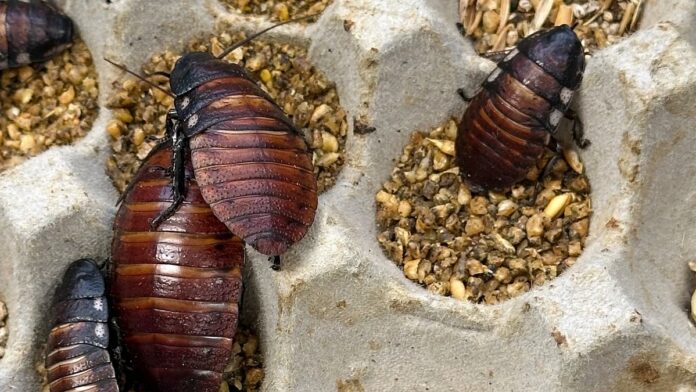
In a record-breaking operation, Australian authorities have seized more than one lakh live exotic cockroaches from a commercial breeder in Bathurst, New South Wales, marking the country’s largest-ever confiscation of illegal exotic invertebrates.
The raid, conducted in May by the Department of Climate Change, Energy, Environment and Water, uncovered Madagascar hissing cockroaches and Dubia cockroaches with an estimated commercial value of up to AU$200,000 ($142,000). The insects, some as large as the palm of a hand, were being bred illegally on the premises, about 200 kilometres west of Sydney, and are now set to be killed and disposed of by authorities as part of standard biosecurity protocols.
The Madagascar hissing species is one of the world’s biggest cockroaches, measuring 2 to 3 inches (5 to 8 centimeters) in length.
These cockroach species have gained popularity in the global exotic pet trade, primarily as live feeder insects for reptiles, amphibians, and other captive animals kept as pets. Dubia cockroaches are especially sought after by hobbyists because of their high nutritional value, quiet nature, and ease of breeding in large numbers, making them a cost-effective alternative to smaller insects like crickets or wood roaches for feeding lizards and similar creatures.
Madagascar hissing cockroaches, meanwhile, appeal not only as feeders but also as novelty pets in their own right. Their impressive size, docile temperament, and ability to produce a distinctive hissing sound by forcing air through their spiracles have made them a favourite among enthusiasts.
However, both species remain strictly prohibited in Australia, where it is illegal to import, keep, breed, or sell them under any circumstances. Australian biosecurity laws classify them as high-risk exotic invertebrates that have never been subjected to a formal environmental risk assessment. Officials say that if these non-native insects were to escape or be deliberately released, they could spread diseases, outcompete local wildlife, and inflict serious damage on native ecosystems as well as the country’s vital agricultural and horticultural sectors.
Australia maintains some of the world’s toughest border controls precisely to safeguard its unique biodiversity from such invasive threats.
