

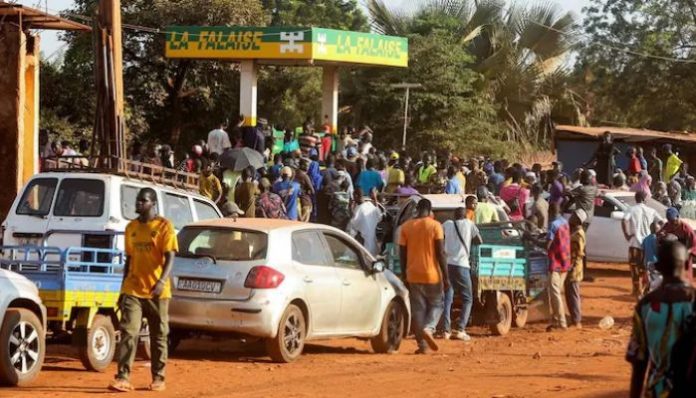
Five Indian nationals have been kidnapped in Mali, officials have confirmed on Saturday, 8th November, as the West African country continues to grapple with a rise in violence blamed on groups affiliated with al-Qaida and ISIS. The kidnapping happened Thursday, 6th November, near the western Mali town of Kobri, where the Indians were working on a electrification project. Armed men intercepted their convoy and took five of them captive.
According to the news agency AFP, the company evacuated all its remaining Indian employees to Bamako, Mali’s capital, after the incident. So far, no group has claimed responsibility for the abduction. Kidnappings like these have become frequent in Mali.
The country, under a military junta, has been going through years of unrest following repeated coups and continued attacks by Islamist terror groups. The most active is the al-Qaida-linked Jama’at Nusrat al-Islam wal-Muslimin (JNIM), which in recent months has imposed tight fuel blockades that worsened Mali’s economic crisis.
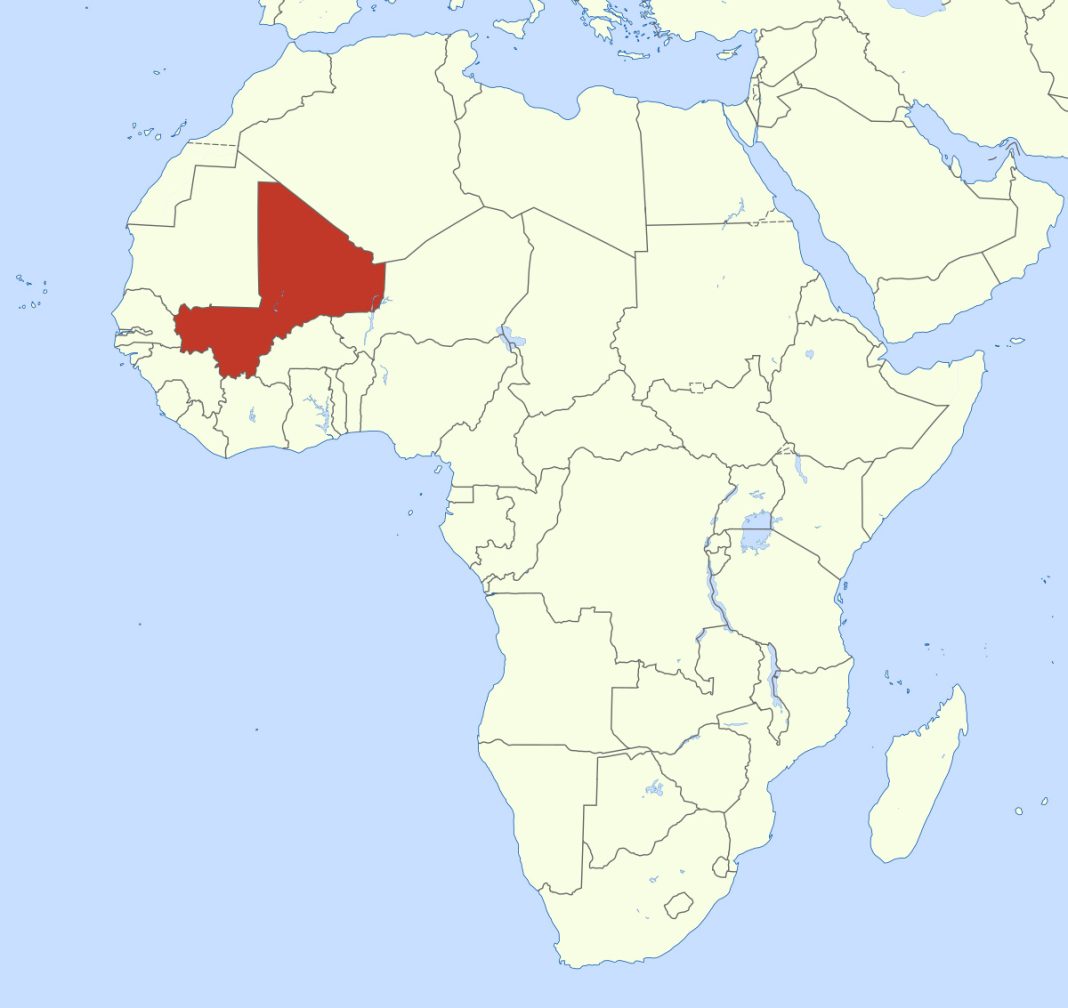
It isn’t the first time Indian nationals have been kidnapped in Mali. Earlier in July, three Indians were taken by gunmen and JNIM later claimed responsibility. In a similar incident in September, JNIM kidnapped two Emirati citizens and an Iranian near Bamako. They were released last week after a ransom reportedly worth around USD 50 million was paid.
JNIM originally came out of a Tuareg rebellion in 2012 and has gradually expanded from northern Mali to control parts of the centre and even spread into neighbouring Burkina Faso and Niger.
Mali’s current leader, Assimi Goita, took power promising to defeat insurgents, but his decision to end defence partnerships with France and the US and depend more on Russia hasn’t worked out well so far. While Bamako is still held by the government, locals worry that jihadist groups might edge closer to the capital. In areas under JNIM control, strict rules restrict movements and require women to wear hijab on public transport.
