

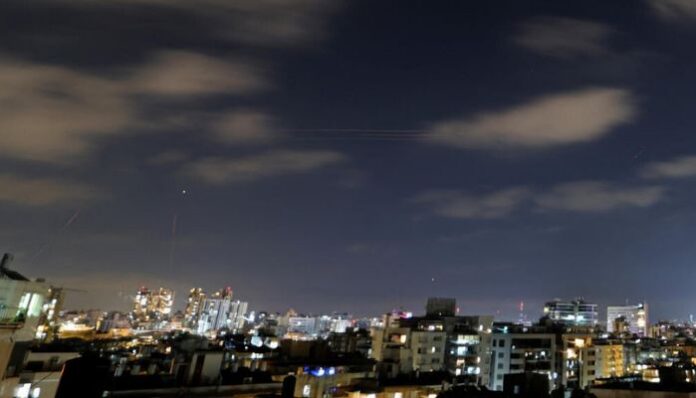
Israel and Iran exchanged fresh attacks on Sunday, 7th June, raising concerns about another escalation in the already tense Middle East situation. The latest round of strikes came despite a ceasefire that had been in place since April and amid efforts by the United States to prevent a wider conflict.
🔴Israel launches attacks on central and western Iran, state media report
— Middle East Eye (@MiddleEastEye) June 8, 2026
More here ⤵️https://t.co/3dXRz1RYhT
The violence began after Iran launched several waves of missile attacks towards northern Israel. According to Israeli authorities, at least 10 missiles were fired in four separate barrages. The missile launches came hours after a deadly Israeli airstrike in Beirut that targeted Hezbollah, the Iran-backed group based in Lebanon.
Following the Iranian missile attack, Israel carried out retaliatory strikes on military targets inside Iran. Israeli officials said the air force targeted military infrastructure in central and western Iran, including air defence systems and weapons facilities.
BREAKING: Israel's military says it has launched strikes on military targets in western and central IRAN.
— Bull Theory (@BullTheoryio) June 8, 2026
The attacks come hours after Iran fired a wave of missiles at northern Israel, accusing Israel of violating the ceasefire with its operations in Lebanon.
Hours before the… pic.twitter.com/b3SXHfiYoX
Later in the day, Israel also reported another security threat after a ballistic missile was launched from Yemen. Israeli officials believe the missile was fired by the Iran-backed Houthi group, which controls large parts of Yemen. No injuries were reported in that incident.
Reacting to the missile attacks, an Israeli military spokesperson said, “The Iranian regime made a serious mistake,” and warned that Israel would continue its military operations against Hezbollah in Lebanon.
The renewed hostilities have once again raised fears that the fragile ceasefire could collapse and trigger a wider regional conflict involving multiple countries and armed groups across the Middle East.
The exchange of attacks came despite calls for restraint from US President Donald Trump, who had suggested that a broader agreement with Tehran was close and warned against actions that could derail diplomatic efforts. However, Israeli Prime Minister Benjamin Netanyahu was facing increasing pressure from both allies and opposition leaders to respond strongly to the Iranian missile barrage.
