

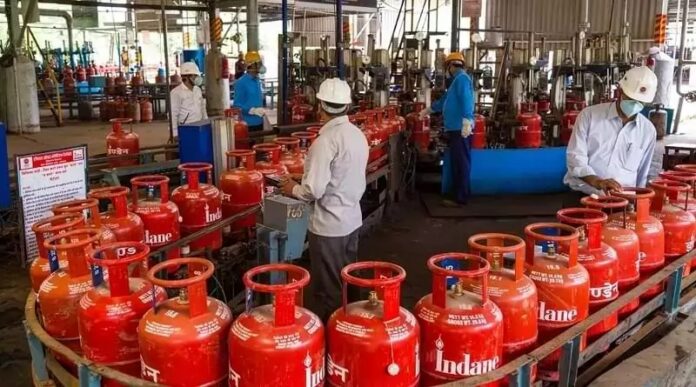
Amid the ongoing conflict in the Middle East, Liquefied Petroleum Gas (LPG) prices in India surged on Saturday (7th March). The price of 14.2-kg household cylinders in Delhi is Rs 913, up ₹60 from Rs 853. This is the second hike in LPG prices since April last year, when the prices were increased by ₹50. The prices of non-subsidised LPG now cost ₹912.50 in Mumbai, ₹939 in Kolkata and ₹928.50 in Chennai.
The Indian government has reportedly invoked emergency provisions to ensure an uninterrupted supply of LPG and avoid the impact of the ongoing US-Israel-Iran war. Domestic refiners have been asked to increase the production of LPG to meet a possible shortage of LPG. A directive was issued on Thursday (5th March) to all domestic oil refiners to maximise LPG output by making sure that they have propane and butane available and are fully utilised for cooking gas production.
As per reports, the government has directed producers to supply LPG, propane and butane to state-run refiners Indian Oil Corp, Hindustan Petroleum Corp and Bharat Petroleum Corp. This is to maintain an unobstructed supply to households, comprising around 332 million active LPG consumers, as confirmed by the government data.
The diversion of propane and butane as directed by the government is likely to reduce the output of alkylates, which are used in blending gasoline. This will particularly affect the production of alkylates by Reliance Industries Ltd, as reported by Reuters. Moreover, the government has prohibited the refiners from using propane and butane for petrochemical manufacturing to avoid their shortage.
The price hike is a result of India’s import of the energy source being hit by the conflict. However, the prices of petrol and diesel have remained unaffected despite volatility in global crude oil prices.
Last year, India was the world’s second-largest LPG importer, with the consumption of 33.15 million metric tonnes of the fuel. India meets two-thirds of its LPG demand through imports. Around 85 to 90 per cent of these imports are sourced from the Middle East.
