

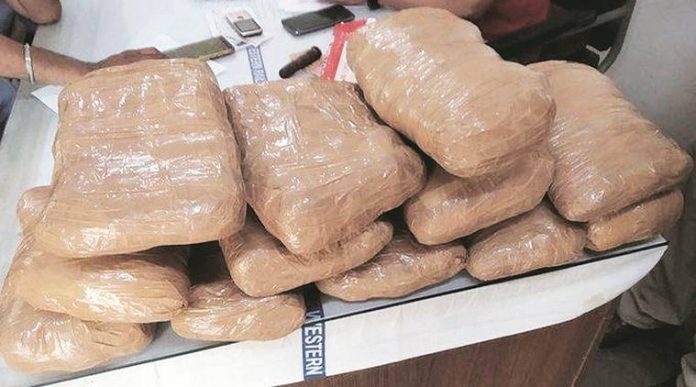
Revelations in the the 3,000 kg drug seizure from Mundra Port in Gujarat suggest that Pakistani nationals may be involved in the smuggling racket.
પોરબંદરના ડ્રગ્સ કેસમાં તપાસમાં મોટા ખુલાસા, ઈરાનના કોનાર્ક પોર્ટ અને પાસેના બંદરોમાં થાય છે ડ્રગ્સની હેરાફેરી, ડ્રગ્સ કેસમાં પાકિસ્તાનની પણ સંડોવણી pic.twitter.com/Xb28IMNTE6
— News18Gujarati (@News18Guj) September 23, 2021
As reported by New18 Gujarati, the Pakistani drug smugglers would send the drugs to Iran where the further transactions are carried out at the Konarak port in Iran. Of the seven Iranian nationals arrested in the drug seizure, one of the accused has earlier been arrested by at least 3-4 countries in drug smuggling. Satellite phones and other communication devices are recovered which the authorities are currently investigating.
ડ્રગ્સ કેસમાં આરોપીઓની મોડસ ઓપરેન્ડી બહાર આવી, આરોપીઓને એલર્ટ મળતા માછીમારીની જાળમાં ડ્રગ્સના પેકેટ બાંધી દરિયામાં ફેંકી દેતા pic.twitter.com/HXkWNBbybV
— News18Gujarati (@News18Guj) September 23, 2021
Report further suggests that they would come up with unique ways to smuggle drugs. The smugglers would put the drugs in fishermen’s net and throw in the sea to save hoodwink the authorities. As per R K Rajput, PI, ATS, the drug smugglers would also hide the drugs inside the cavities of the boat when Indian Coast Guard would come for verification and would pretend to be fishermen.
As per reports, further investigations have revealed that the Andhra firm that has been registered as official recipient of the drugs, had earlier imported similar consignment from Afghanistan in June this year. That consignment too was sent by M/S Hasan Husain Ltd and declared as containing ‘semi-processed talc stones’. The invoice was in the name of one Kuldip Singh, from Alipur, Delhi.
The Directorate of Revenue Intelligence (DRI) has taken custody of Chennai-based Machavaram Sudhakar and his wife Govindaraju Durga Purna Vaisali. The latter is the proprietor of the firm M/s Aashi Trading Company which is registered in Andhra Pradesh’s Vijaywada. The DRI is also conducting investigations in New Delhi, Chennai, Coimbatore, Ahmedabad, Mandvi, Gandhidham and Vijayawada.
Indian Express report states that the DRI told a Bhuj court that the consignment was of Afghan origin and that the accused were in touch with “Afghan and Irani nationals” and there was need to probe “probable threat perception involved”.
Sudhakar informed DRI that the firm was started in August last year and the consignment was received from Hasan Husain Ltd in Afghanistan through their local representative ‘Amit’. For this consignment, Sudhakar reportedly received two sets of documents and when he inquired from his Iranian contact ‘Javed’, he was informed that the consignment weighed 300 kgs extra than what the liner recorded. Hence, there were two sets of documents.
Reports suggests that two more such consignments that were on their way here have since been diverted. The Enforcement Directorate (ED) has also filed a money laundering case under the Prevention of Money Laundering Act (PMLA).


