

A sprawling terror network with suspected links to global jihadist outfits such as ISIS and Al-Qaeda, has been dismantled by the Andhra Pradesh Police, exposing a deeply coordinated effort to radicalise Indian youth and expand extremist operations across multiple states.
Nationwide crackdown uncovers chilling network
The operation, spanning Bihar, Delhi, Karnataka, Maharashtra, West Bengal, Telangana, and Rajasthan, led to the arrest of 12 individuals, including key operatives from Andhra Pradesh. At the centre of the network is Rahamathullah Sharif, identified as the prime accused, who allegedly maintained direct contact with handlers based in Pakistan, Afghanistan, Syria, Bangladesh, and the UAE.
Investigators revealed that this module was not an isolated cell but part of a broader transnational ecosystem working to spread extremist ideology and recruit Indian youth into jihadist activities.
Digital radicalisation: Instagram to indoctrination
Authorities uncovered over 40 Instagram accounts and encrypted chat groups used to circulate incendiary propaganda. These platforms reportedly amplified speeches and videos of notorious extremist figures, including Osama bin Laden and Anwar al-Awlaki, aiming to indoctrinate impressionable minds.
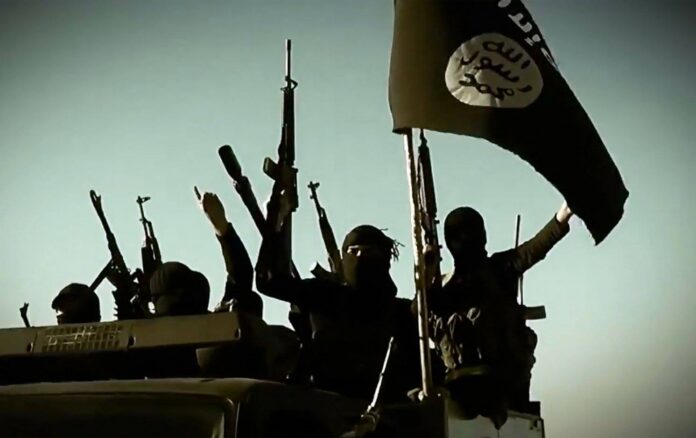
Recruits were encouraged to adopt radical symbolism, masked photos, ISIS flags, and slogans like “One Ummah”, projecting allegiance to a global Islamist identity over national loyalty.
Blueprint for ‘Khilafat’ in India
The group’s stated objective was deeply alarming: the establishment of an Islamic Caliphate in India. Investigators found that members were actively being persuaded to undertake “Hijrat”, migration to countries like Pakistan or Afghanistan for advanced religious and combat training.
Foreign handlers allegedly promised structured indoctrination, followed by weapons training, including the use of firearms and sniper rifles. There were also assurances of arms supply networks to support future terror operations within India.
Women’s wing: A strategic expansion
In a concerning development, the network was also attempting to build a dedicated women’s wing, referred to as “Khawateen.” This unit was reportedly intended to aid recruitment, propaganda dissemination, and logistical support.
One such operative, Sayeeda Begum, a widow arrested in Hyderabad, is believed to have played a role in facilitating female recruitment and maintaining links with terror operatives across borders.
IED manuals and terror training
The investigation further uncovered digital material, including PDFs and videos, detailing the manufacture of explosives and improvised explosive devices (IEDs). These materials provided step-by-step guidance on executing attacks, indicating a clear shift from ideological indoctrination to operational readiness.
Handlers operating from abroad reportedly guided recruits on everything from weapon usage to target selection, even encouraging violence against those who did not adhere to their extremist interpretation of Islam.
Foreign handlers and coordinated influence
Key handlers, identified by aliases such as Al-Hakeem Shukoor, Abu Muharib, and Abu Balushi, were allegedly orchestrating activities remotely. Their role extended beyond propaganda, involving strategic direction, recruitment oversight, and operational planning.
Investigation ongoing
Security agencies are now widening the probe to track funding routes, identify additional recruits, and dismantle remaining digital infrastructure linked to the network. Authorities remain particularly concerned about the scale of online radicalisation and the possibility of sleeper cells.
