

In a major step to expand food security benefits, the Delhi government cabinet has approved an increase in the annual income limit for ration card eligibility under the Public Distribution System (PDS). The limit has now been raised to Rs 2.5 lakh, allowing more low-income families to get subsidised ration benefits.
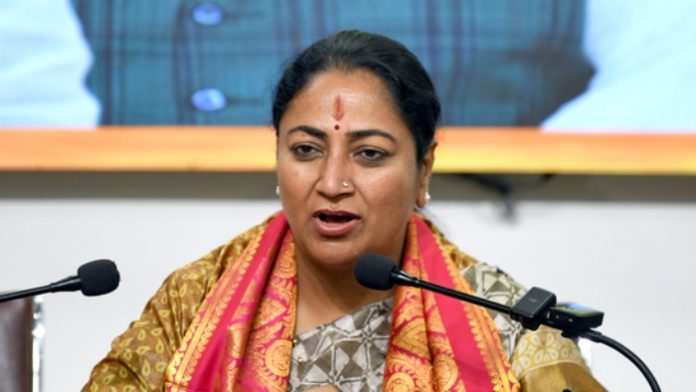
The decision is expected to help lakhs of families who were earlier left out because of the lower income criteria. According to Food and Supplies Minister Manjinder Singh Sirsa, the earlier income ceiling was not practical in today’s situation, as even a ₹1 lakh yearly income is below the basic earning needs of many families.
The eligibility limit had earlier been increased from ₹1 lakh to ₹1.2 lakh, and has now been revised again to ₹2.5 lakh under the government led by Chief Minister Rekha Gupta.
Delhi working on CBDC-based ration distribution model
Along with expanding eligibility, the Delhi government is also preparing a new ration delivery system based on CBDC (Central Bank Digital Currency).
Under the proposed system, the government will directly transfer ration support money to beneficiaries instead of only providing physical food grains through Fair Price Shops (FPS). The amount will be deposited into beneficiaries’ CBDC wallets, allowing them to buy ration items from authorised ration shops using digital currency.
Minister Manjinder Singh Sirsa said this system aims to improve transparency and reduce misuse in the ration distribution process. The model will gradually be introduced at ration shops and later linked with banking systems, including private banks.
How the CBDC-PDS system will work
CBDC is the digital version of sovereign currency issued by the Reserve Bank of India and has the same legal status as physical cash.
Under the planned model, the government will calculate the subsidy amount based on the food grain entitlement of each beneficiary and transfer it to their CBDC wallet. Beneficiaries can then purchase ration from authorised FPS outlets after Aadhaar and e-PoS authentication.
Every transaction will be digitally recorded and matched in the system, helping improve accountability and monitoring.
Focus on transparency and consumer choice
The CBDC-enabled PDS system is expected to make ration distribution more transparent, portable and easier for citizens. Beneficiaries will get more flexibility in choosing authorised outlets and will also be able to track subsidy balances and transaction records in real time.
The digital records are also expected to strengthen grievance handling, reduce disputes at Fair Price Shops, improve subsidy tracking and make audit and reconciliation processes simpler.
Officials said the move is aimed at giving beneficiaries more flexibility, dignity and better access while ensuring efficient delivery of food support benefits.
