

Bangladesh’s Islamist opposition party, Jamaat-e-Islami, has threatened to launch street protests against the BNP-led government of Prime Minister Tarique Rahman over the delayed implementation of the July Charter, a major reform package introduced during the tenure of former interim leader Muhammad Yunus.
The July Charter is a broad package of constitutional, electoral, judicial and administrative reforms that emerged after the 2024 protests, which led to the removal of former Prime Minister Sheikh Hasina from power. The charter contains 84 reform proposals aimed at reshaping Bangladesh’s political system and limiting excessive concentration of power. Major recommendations include the creation of a bicameral parliament, restoration of the caretaker government system, judicial and electoral reforms, restrictions on prime ministerial powers and stronger constitutional protections.
The reform package was signed by most major political parties, including the BNP and Jamaat-e-Islami, in October 2025. It was later put before voters in a referendum held alongside Bangladesh’s general election in February. According to reports, around 68% of voters supported the charter. Despite that approval, implementation has remained stalled for several months.
Jamaat warns of street agitation
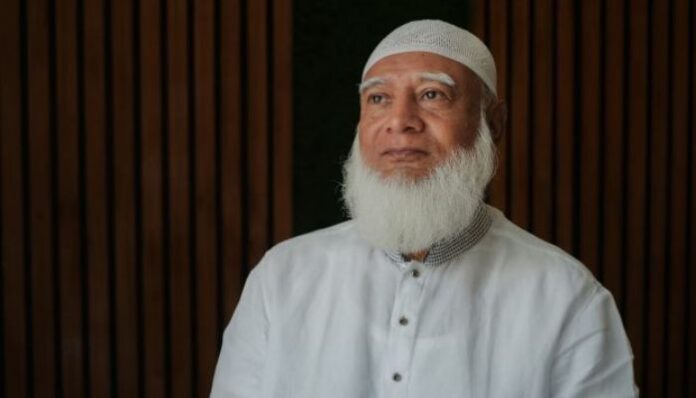
Jamaat-e-Islami chief Shafiqur Rahman has now openly warned the government that the party may take to the streets if the reform package is not implemented.
On Tuesday, 16th June, while speaking at a views exchange meeting with journalists at the LD Hall of the Jatiya Sangsad, Rahman said, “We will not step back from implementing the people’s verdict. If a solution is found in Parliament, the movement on the streets will continue. We will force the government to implement the people’s mandate.”
He further warned, “This demand will be realised, if not today, then tomorrow.”
The Jamaat leader had earlier stated that ignoring the outcome of the referendum would leave no option except public agitation. Referring to the overwhelming support received by the charter during the referendum, he argued that the government could not simply set aside what he described as the will of the people.
“If this verdict is frustrated, no sustainable social order can ever be built in this country. If parliament is curtailed, there will be no option but to take to the streets,” he said.
Rahman also accused the BNP of changing its position after coming to power. According to him, BNP leaders had earlier promised to honour the referendum result but were now questioning the constitutional basis of the process.
Efforts to gather international support
Along with threatening protests, Jamaat-e-Islami appears to be seeking international support for the implementation of the July Charter.
Over the past few months, Rahman has held meetings with diplomats from several countries, including the United States, the United Kingdom, Denmark and Singapore. According to local media reports, discussions during some of these meetings touched upon democratic reforms and the implementation of the July Charter.
The party has repeatedly highlighted these diplomatic engagements in public statements, presenting them as evidence of international interest in Bangladesh’s reform process. However, most foreign missions involved have not publicly endorsed Jamaat’s position on the charter.
Why has implementation stalled?
The deadlock largely centres around the mechanism proposed by the Yunus administration for implementing the reforms.
The interim government had suggested creating a Constitutional Reform Council consisting of elected lawmakers who would also act as constitutional reformers. To join the council, Members of Parliament were expected to take an additional oath committing themselves to implementing the July Charter.
Although the BNP campaigned in support of the charter and later won the general election, its lawmakers refused to take the additional oath. BNP leaders argued that they had been elected as parliamentarians, not as members of a separate reform council. They also questioned whether such a body had any constitutional basis.
Jamaat-e-Islami’s controversial political history
Jamaat-e-Islami Bangladesh traces its origins to the organisation founded in 1941 by Islamist ideologue Abul Ala Maududi. The organisation was banned twice in Pakistan before Bangladesh’s independence. Following the 1971 Liberation War, Bangladesh’s founding leader, Sheikh Mujibur Rahman, banned Jamaat-e-Islami because it supported Pakistan and its alleged role during the war.
The ban was lifted after Mujibur Rahman’s assassination. The organisation later returned to politics and developed close ties with the Bangladesh Nationalist Party. Jamaat supported the BNP’s rise to power in the early 1990s, and both parties later governed together as part of the BNP-Jamaat alliance between 2001 and 2006.
In August 2024, the Awami League government led by Sheikh Hasina again banned Jamaat-e-Islami and its student wing, Islami Chhatra Shibir, under anti-terrorism laws. However, the ban was removed within weeks by the Yunus-led interim administration.
