

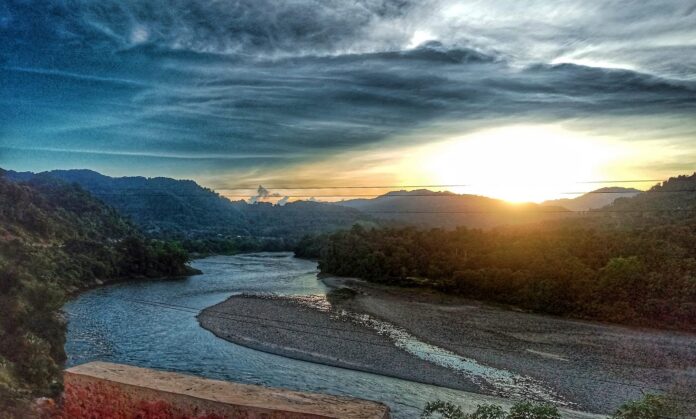
In a significant development aimed at harnessing the vast hydropower potential of the Northeast, the Centre has granted environmental clearance to the 1,000 MW Naying Hydro Electric Project in Arunachal Pradesh. The expert panel of the Union Environment Ministry has recommended green clearance for this run-of-the-river project on the Siyom River in Siang and Shi-Yomi districts, close to the India-China border, paving the way for further statutory approvals and eventual construction.
The Naying project, which envisages four units of 250 MW each, is expected to generate around 4,967 GWh of electricity annually. Developed primarily by the North Eastern Electric Power Corporation (NEEPCO), it features a concrete gravity dam and an underground powerhouse, promising to bring substantial economic benefits to the region while contributing to national energy security. This approval marks a key milestone in reviving and advancing several stalled hydropower initiatives in Arunachal Pradesh, known for its immense untapped hydro resources.
The project received concurrence from the Central Electricity Authority way back in 2013, with initial plans for construction to begin around 2015. However, it faced prolonged delays primarily due to environmental and social concerns, including significant forest land diversion, potential impact on local biodiversity, and protests over the ecological effects of large dams in the fragile Himalayan region. Public hearings were conducted as recently as late 2025, leading to the recent environmental clearance recommendation. Construction is now anticipated to commence around 2028, with full commissioning targeted for 2032.
This clearance for Naying comes alongside several other major hydel initiatives in Arunachal Pradesh that highlight the state’s growing role as a hydropower hub. Notable projects under construction include the 2,000 MW Lower Subansiri Hydroelectric Project, which has seen partial commissioning with more units expected soon, and the Dibang Multipurpose Project including a 2,880 MW hydroelectric and flood moderation scheme on the Dibang River is also under construction. The massive 3,097 MW Etalin Hydroelectric Project in Dibang Valley is advancing through regulatory clearances.
Recently approved or progressing projects include the 700 MW Tato-II in Shi-Yomi district, 680 MW Attunli Hydroelectric Project, the 1,720 MW Kamala project, and the 1,200 MW Kalai-II on the Lohit River, all backed by substantial central investments running into thousands of crores. Smaller commissioned projects, such as the Sumbachu Small Hydro Project, also demonstrate steady progress in the state’s hydropower mission under the “Decade of Hydro Power (2025–35)”.
This decision underscores the Modi government’s continued push for expanding green energy sources to reduce India’s dependence on imported fossil fuels. Hydropower, as a reliable and clean renewable resource, plays a pivotal role in the government’s strategy to achieve ambitious targets, including a significant increase in renewable capacity and lowering carbon emissions. By prioritising projects like solar, wind and hydropower, the government is not only addressing the growing energy demand of the country but also fostering sustainable development in ecologically sensitive and strategically important border areas.
Naying project is another concrete step towards energy self-reliance of India. With construction likely to commence in the coming years, it is poised to create employment opportunities, improve infrastructure in remote parts of Arunachal Pradesh, and strengthen the national grid with clean power. As India accelerates its transition to a greener energy mix, initiatives like the Naying Hydro Electric Project reinforce the commitment to balancing economic growth with environmental stewardship.
