

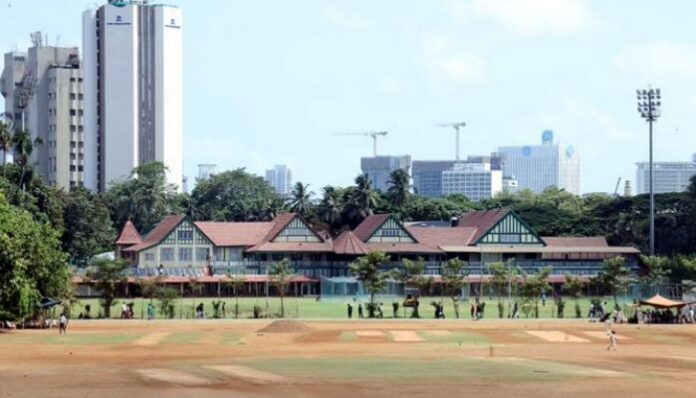
The Maharashtra government is preparing to tighten its control over some of Mumbai’s oldest and most prestigious gymkhanas and clubs that operate on government-owned land. The move comes weeks after the Centre asked the century-old Delhi Gymkhana Club to vacate its premises in Delhi, although Maharashtra officials say the two developments are not linked.
According to officials, the state government has informed representatives of 16 Mumbai gymkhanas that future lease renewals could come with several new conditions, including direct government representation in club management, higher lease payments and greater public access to these properties.
Collector may get a seat on every management committee
One of the most significant proposals under discussion is the appointment of the district collector as an ex officio member of the management committee of every gymkhana standing on collector-owned land.
The government has also suggested that recommendations made by the district collector should be binding on the clubs. In another proposal, the collector would have the authority to recommend at least five people every year for permanent membership or for converting service memberships into permanent memberships.
Several rounds of meetings have taken place between officials from the collector’s office and gymkhana administrators in recent months. Sources familiar with the discussions said the government has indicated that acceptance of the proposed framework will be an important factor during lease renewals.
The government wants access to premises
The proposed rules would also allow the government to use gymkhana premises for official programmes and public events for up to five days in a calendar year.
Apart from this, the state would have the right to use these properties during elections, natural disasters and other emergencies where public infrastructure is required.
An Observer Research Foundation report has estimated that gymkhanas and elite clubs together occupy around 664 acres of land in Mumbai, nearly one-fifth of the city’s total 3,780 acres of open space.
Event fees and higher lease rentals proposed
The government is also looking at changes in the way gymkhanas generate revenue.
Under the proposed framework, clubs would be allowed to host sporting events for a maximum of 45 days in a year after informing the district collector. They would also have to pay a licence fee ranging from Rs 50,000 to Rs 1.5 lakh per day for organising such events.
At present, these institutions pay only nominal lease rents to the government and do not pay separate licence fees for hosting events. Officials have further proposed linking lease rentals to market rates, with rents being revised every five years.
Many leases have already expired
Several prominent institutions, including Bombay Gymkhana, Islam Gymkhana, Parsee Gymkhana, and Hindu Gymkhana, are already operating under expired leases and awaiting renewal. Other gymkhana leases are expected to expire over the next few years.
Most of these properties were originally leased by the colonial administration during the 19th and early 20th centuries.
New policy in the works
The Revenue and Forest Department had first outlined the proposed conditions in July last year. In February this year, the state government set up a study group to review policies governing gymkhanas and clubs across Maharashtra.
Officials said the committee is examining lease agreements, land records and revenue models. Its findings are expected to shape a new gymkhana policy for the state.
“There is a need to ensure that large public land parcels occupied by these institutions also serve a broader public purpose,” a government official said.
Gymkhanas seek middle ground
Representatives of several gymkhanas confirmed that lease-renewal conditions are likely to become stricter. However, they are negotiating with the government and arguing that these institutions play an important role in preserving Mumbai’s sporting and cultural heritage.
A gymkhana office-bearer said many clubs already offer service memberships to serving and retired government employees. The existing quota of around 5 % could be increased to 10-15 % if required.
Legal experts say the government is within its rights to impose reasonable rent and land-use conditions as the land’s owner. However, solicitor and advocate Sujjain Talwar noted that direct involvement in the management of private clubs could face legal scrutiny if it is seen as unrelated to the actual use of the leased property.
