

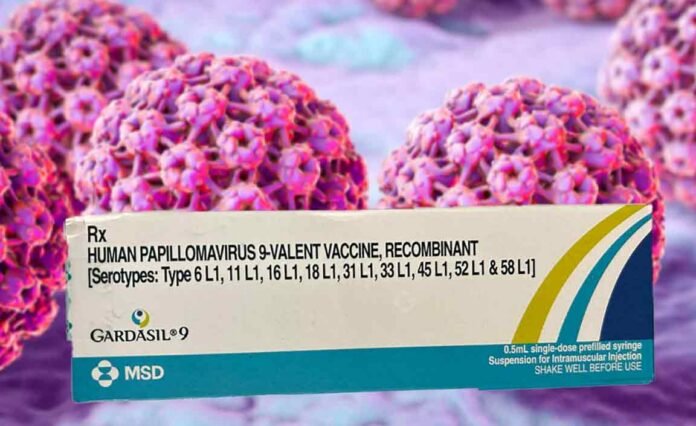
The Delhi High Court on Wednesday refused to stay the ongoing administration of the Human Papillomavirus (HPV) vaccine Gardasil to adolescent girls after the Centre assured the bench that the vaccine is safe and has shown no significant adverse effects in India so far.
A division bench of Chief Justice Devendra Kumar Upadhyaya and Justice Tejas Karia was hearing a public interest litigation filed by gynaecologist Dr Sujata Mittal and fitness influencer Jitendra Chauksey. The petitioners had questioned the data on the vaccine’s efficacy, its long-term effects, the scientific basis for the nationwide rollout, and the alleged absence of proper informed parental consent. They also pointed to enrolment targets given to frontline health workers, including ASHA workers, which they claimed created undue pressure on young girls, and cited the case of a 14-year-old girl from Tamil Nadu who allegedly developed severe neurological complications after receiving the vaccine in March this year.
Additional Solicitor General Chetan Sharma, appearing for the Centre along with Central Government Standing Counsel Ashish Dixit, informed the court that more than 55 lakh HPV vaccine doses have been administered in India till date, with only 120 recipients reporting minor symptoms such as nausea or headache. He further submitted that the vaccine is not part of the Universal Immunisation Programme and that over 55 crore doses have been administered worldwide across nearly 160 countries, with Australia reporting near-elimination of the virus through vaccination. The government, he added, is administering the vaccine only through official channels and has put in place appropriate safeguards.
The bench observed that while it would examine the justification for introducing the vaccine at a later stage, there was no case for an immediate stay. “The justification for introducing the vaccine is something we will consider, but so far as your prayer for stopping administration of the vaccine is concerned, we are not going to stay that. We have been given data that suggest that there is no harm. There may not be long-term benefit, but there is no immediate harm,” the court remarked. It noted that every vaccine carries some side effects and that the decision on administration must rest with experts, while cautioning the government against administering “half-baked vaccines.”
The court ultimately declined the request for a stay and directed the Central government, the Indian Council of Medical Research, the Central Drugs Standard Control Organisation and the National Immunization Technical Advisory Group to file their detailed responses to the petition.
The hearing comes against the backdrop of India’s nationwide HPV vaccination campaign, launched by Prime Minister Narendra Modi on 28 February 2026 from Ajmer. The free single-dose Gardasil-4 programme targets approximately 1.2 crore girls aged around 14 years and is aimed at preventing cervical cancer, which remains the second most common cancer among women in the country and accounts for a significant share of global deaths from the disease. As per the govt, a single dose of Gardasil-4 provides 93–100% effectiveness against the HPV types responsible for cervical cancer.
By this month, more than 52 lakh girls had already been vaccinated. The petitioners have recalled earlier concerns raised by a 2013 parliamentary committee over demonstration projects involving the same vaccine, while the government maintains that the current programme follows recommendations of the World Health Organization and India’s own technical advisory bodies.
