

Indian Railways has announced a major push to fast-track future bullet train corridors by adopting a mission-mode approach and seeking bundled clearances from central, state, and local authorities. The move aims to overcome delays seen in the country’s first high-speed rail project and ensure quicker land acquisition and right-of-way clearances.
A senior government official told The Economic Times on condition of anonymity, “Bullet train corridors will be given top priority in securing approvals across government levels.” The official added that dedicated teams of officers will coordinate with local authorities to speed up land acquisition for these projects. Co-ordination meetings with states where the new corridors are planned will begin soon.
The Narendra Modi government had announced plans for seven new bullet train corridors in the Union Budget 2026-27. These “growth connectors” include Mumbai-Pune, Pune-Hyderabad, Hyderabad-Bengaluru, Hyderabad-Chennai, Chennai-Bengaluru, Delhi-Varanasi, and Varanasi-Siliguri to be extended to Guwahati later. To support faster execution of these projects, the Railways will standardise designs across all future networks. This step is expected to strengthen manufacturing supply chains for rolling stock and signalling equipment while promoting greater local production.
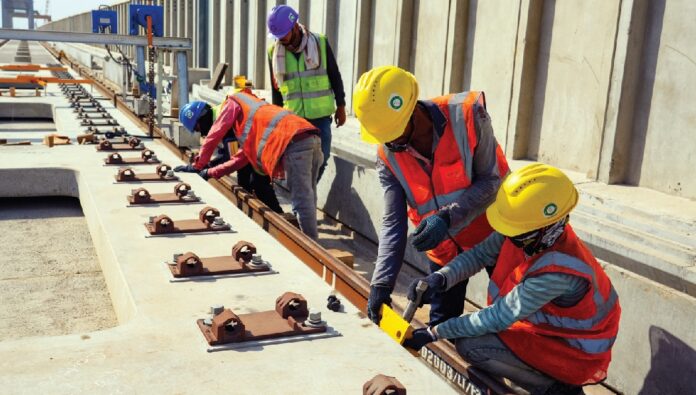
In addition, the Railways will extensively adopt pre-cast technology in civil works to significantly improve the pace of construction and deployment. These measures come as the country firms up routes for the new corridors and seeks to avoid the kind of delays that have affected the flagship Mumbai-Ahmedabad High-Speed Rail corridor.
The cost of India’s first bullet train project has now escalated to nearly ₹1.98 lakh crore, up sharply from the original estimate of ₹1.08 lakh crore. The increase is largely attributed to prolonged land acquisition delays. The bundled-approval mechanism and mission-mode implementation are designed precisely to prevent similar setbacks in the upcoming corridors.
The strategy also aligns with ongoing efforts to introduce India-made rolling stock, with the indigenous B28 bullet train slated to debut on the Surat–Vapi stretch of the Mumbai–Ahmedabad corridor in August 2027.
Railway officials believe that standardisation, pre-cast construction techniques, and streamlined approvals will not only cut execution time but also reduce costs and boost domestic manufacturing. With these reforms, the government is signalling a clear intent to make high-speed rail a national priority and deliver the seven new corridors in a time-bound manner.
