

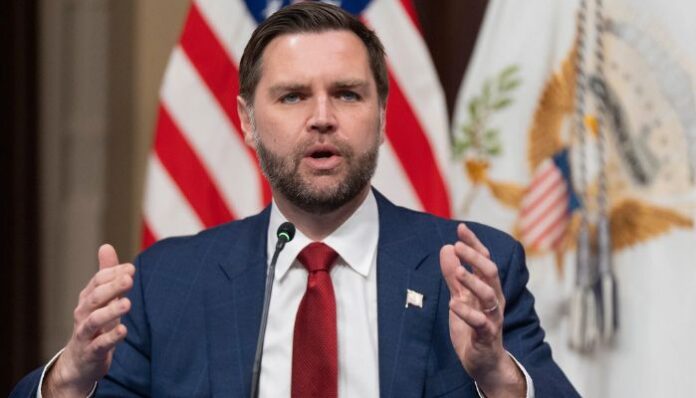
Talks between the United States and Iran ended without any agreement after nearly 21 hours of discussions held in Islamabad over the weekend, showing how deep the differences remain between the two sides.
VIDEO | Pakistan: US Vice President J D Vance delivers remarks in Islamabad.
— Press Trust of India (@PTI_News) April 12, 2026
He says, "We have been at it for 21 hours, and we had several discussions with Iranians; we have not reached an agreement, and that is bad news for Iran more than it is bad news for the USA."#JDVance… pic.twitter.com/ISSykmXtkw
US Vice President JD Vance made it clear that the two countries could not agree on key issues. According to him, the biggest problem was Iran’s not giving a clear and long-term promise that it would never develop nuclear weapons. He said the US had put forward its “final and best offer”, but Iran did not accept the terms.
On the other hand, Iran pushed back strongly. Its foreign ministry spokesperson Esmaeil Baqaei said the US was making “excessive demands” and should negotiate in good faith. Iran insisted that any deal must respect its rights and interests, including lifting sanctions, ending the war completely, and addressing war damages.
Another major point of disagreement was control of the Strait of Hormuz, a crucial route for global oil shipping. Iranian officials said they wanted to keep control over the waterway and even suggested charging ships a toll. The US, however, pushed for free and open access, and even discussed ideas like shared control, which Iran rejected. Negotiators described the situation as a “stalemate”.
During the talks, tensions were also visible on the ground. Two US warships passed through the Strait as part of a mission to clear mines, while Iran denied that any American vessels had entered the area and maintained that it controls all movement there.
Meanwhile, former US President Donald Trump downplayed the failed talks, saying that the US would “win” regardless of whether a deal happens or not. European leaders, including Emmanuel Macron, urged Iran to use the talks as a chance to reduce tensions and reach a lasting solution.
Despite a recent ceasefire, both countries remain far apart on nuclear issues, regional control, and security concerns. With no agreement in place, the situation remains uncertain and fragile.
