

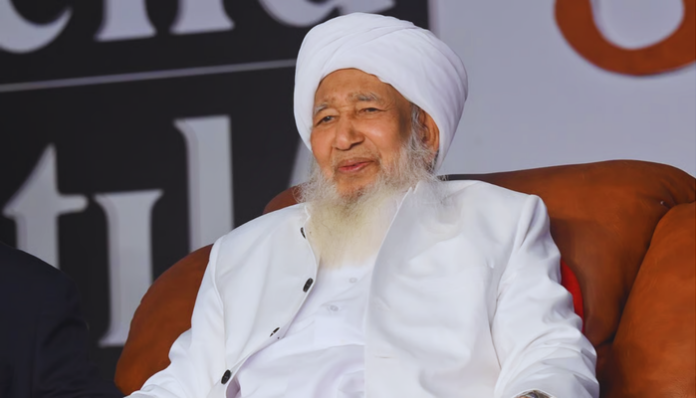
In a highly regressive move, Kerala’s major Sunni Muslim body, Samastha Kerala Jam-iyyathul Ulama, has prohibited Muslim women from appearing in public places. The directive was reportedly contained in a statement released by the Kanthapuram faction of the Sunni Muslim organisation. According to the Sunni Muslim body, Muslim women should not take part in any programmes or celebrations as it amounts to ‘displaying’ them in front of ‘unrelated men’, which is an un-Islamic act.
In the statement issued by Samastha president E Sulaiman Musliyar and general secretary Kanthapuram AP Aboobacker Musliyar, the Sunni Muslim clerics asked the heads of Mahalls, mosques, madrasas and other Islamic institutions not to allow Muslims girls and women to participate in programmes or celebrations on stages or in public places where men are present.
അന്യപുരുഷന്മാർക്കിടയിലോ പൊതുഇടങ്ങളിലോ സ്ത്രീകളെ കൊണ്ടുവരരുത്; സമസ്ത കാന്തപുരം വിഭാഗം#Kanthapuram #Samastha #KeralaNews #ReporterLive pic.twitter.com/qTgmYFqQej
— Reporter Live (@reporter_tv) August 28, 2026
The direction reportedly comes after videos showing Onam celebrations by students, including Muslim girls, in various parts of Malabar went viral on social media. Subsequently, Muslim girls and women were also seen taking part in Milad-e-Sharif (Eid-e-Milad) celebrations held on 26th August, which was not approved by the Muslim body.
The statement reportedly asserted that Islamic celebrations should not go beyond ‘religious boundaries’ and the heads of Islamic institutions must be vigilant to ensure that such programmes or celebrations are organised strictly in compliance with Islamic laws. It declared that the ‘display’ of Muslims women in public streets, among men and their participation in non-Islamic customs and celebrations are not permitted in Islam.
“Displaying young women among unrelated men in public spaces and on stages, as well as adopting customs and celebration practices considered incompatible with Islam, are not appropriate for believers and should not be permitted,” the statement said.
The Sunni Muslim body said that it was the responsibility of Mahall, mosque and madrassa committees to make sure that all programmes are organised in accordance with the religious values, discipline and moral standards of Islam. It urged the committees to provide moral guidance to the younger generations of Muslims.
The directive effectively seeks to impose restrictions on the public participation of Muslim women and girls, extending beyond religious observances to their presence at public programmes and celebrations where men are present. Critics are likely to view such instructions as an attempt to regulate the visibility and mobility of women in the name of religious morality, particularly when they are participating in cultural events alongside other students and members of the community.
The controversy also raises questions about the space available to Muslim women and girls to participate in Kerala’s wider social and cultural life. While religious organisations are entitled to advise their followers on matters of faith, a blanket call to prevent women from appearing in public programmes, taking part in stage events or participating in celebrations attended by men represents a deeply restrictive interpretation of women’s public participation. The directive is therefore likely to reignite the debate over religious conservatism, women’s autonomy and the extent to which community institutions should regulate the everyday lives of Muslim women.
