

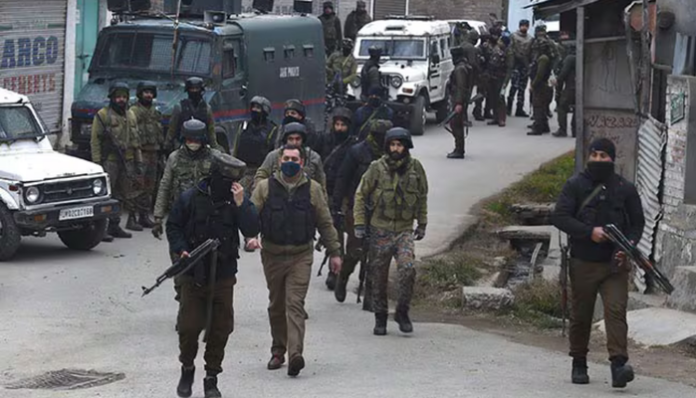
Indian intelligence agencies have received inputs about the presence of around 30 Pakistani terrorists in the Jammu region. The Indian Army had already ramped up surveillance and counter-terror operations in view of the Chillai Kalan, the 40-day harsh winter period in the region.
It is reported that the terrorists have moved into higher and middle mountain areas in Kishtwar and Doda, which have minimal civilian presence. This change in their strategy is to evade surveillance and take advantage of the winter freeze, which is traditionally considered a low-activity period. However, braving the chilling winter, the Indian security forces have expanded their operational reach to snowbound and high-altitude zones to foil the plans of terrorists. Conventionally, the Chillai Kalan period, which lasts from 21st December to 31st January, is a low terrorist activity period, as heavy snowfall causes route blockades in the area.
The Army is conducting regular patrols in possible terrorist hideouts, like forests and remote valleys, to deny the terrorists’ opportunity to take shelter in the area. The security forces have adopted measures to disrupt the supply chains of terrorist organisations and to confine their movement to inhospitable terrain, thus preventing them from entering populated areas. The Jammu and Kashmir Police, the CRPF, the Special Operations Group, the Forest Guards, and the Village Defence Guards are carrying out the counter-terror operations in coordination. The agencies have been jointly analysing intelligence inputs to trace terrorist movements and plan operations accordingly. Specially trained winter warfare units, equipped with drones, thermal imagers, and ground sensors to track movement in snowbound terrain, have been deployed across sensitive areas in the region.
According to the security forces, diminishing local support and increased surveillance in the lower areas of the region have restricted the terror groups to isolated areas. The terror groups are reportedly not getting much support in terms of food and shelter from local villagers. The counter-terror operations of the security forces are focused on eliminating the remaining terror pockets in the area and preventing their regrouping. This is the reason that at a time when the activity of security forces used to be rather slow duringextremely low temperatures, this time the counter-terror operations have been intensified to thwart the plans of terrorists.
