

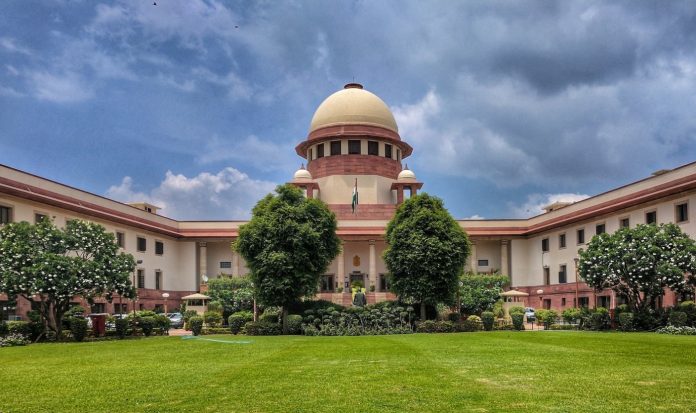
The Supreme Court of India on Wednesday noted that sex education must be included in curriculum at a younger age, observing that such instruction should not be delayed until Class IX. The observation came while the Court granted bail to a 15-year-old boy accused of sexual assault under the Indian Penal Code (IPC) and the Protection of Children from Sexual Offences (POCSO) Act.
A bench comprising Justice Sanjay Kumar and Justice Alok Aradhe made this observation while setting aside an order of the Allahabad High Court, which had earlier denied bail to the juvenile. The apex court emphasized that awareness of physiological and psychological changes during puberty must begin earlier to help adolescents make informed and responsible choices.
Case background
The case involved a minor charged under Sections 376 (rape) and 506 (criminal intimidation) of the IPC, along with Section 6 of the POCSO Act. The Allahabad High Court had, on August 28, 2024, dismissed the boy’s bail plea, prompting an appeal before the Supreme Court. Taking note of the accused’s age, the apex court had granted him interim bail on September 10, 2025, subject to conditions imposed by the Juvenile Justice Board.
Scrutiny of the curriculum
Earlier, on August 12, 2025, the Court had directed the Uttar Pradesh government to submit details of how sex education was being imparted in schools. The directive aimed to ensure that children receive accurate information about puberty, reproductive health, and emotional well-being.
In its affidavit filed on October 6, 2025, the Uttar Pradesh government stated that its curriculum—based on NCERT guidelines—incorporates sex education from Class IX to XII. However, the Court found this framework inadequate, stressing that awareness must begin well before adolescence.
Court’s observations and decision
After reviewing the affidavit, the bench noted: “We are of the opinion that sex education should be provided to children from a younger age and not Class IX onwards.” The Court urged educational authorities to “take corrective measures” to ensure that children are sensitized early about bodily changes and personal boundaries.
Concluding the proceedings, the Supreme Court allowed the appeal, making the interim bail permanent for the duration of the trial. The bench clarified that its observations were limited to the bail issue and should not influence the trial’s merits.
