

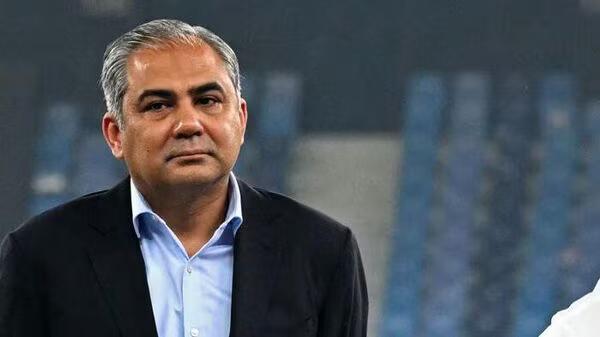
The Bangladesh Cricket Board (BCB) on Monday issued a media release thanking the Pakistan Cricket Board (PCB), the International Cricket Council (ICC), and all stakeholders for their role in resolving the uncertainty surrounding the high-voltage India–Pakistan clash in the ICC T20 World Cup, effectively signalling the end of PCB chief Mohsin Naqvi’s boycott posturing.
#BREAKING
— Kushan Sarkar (@kushansarkar) February 9, 2026
The @BCBtigers president Aminul Islam Bulbul requests @TheRealPCB to play #ICCMensT20WorldCup match against India. pic.twitter.com/MVFsNHQCah
In its official statement, the BCB expressed “sincere appreciation” to the PCB and ICC for their efforts in overcoming recent challenges and singled out PCB Chairman Mohsin Raza Naqvi for what it described as “exemplary sportsmanship and solidarity.” The statement followed a short visit by BCB President Md Aminul Islam to Pakistan, after which he formally urged Pakistan to play the February 15 match against India “for the benefit of the entire cricket ecosystem.”
“We are deeply moved by Pakistan’s efforts to go above and beyond in supporting Bangladesh during this period. Long may our brotherhood flourish,” Aminul Islam was quoted as saying, adding that the discussions had yielded “forthcoming outcomes” and that Pakistan should now go ahead and play the scheduled fixture.
The BCB’s intervention comes days after the PCB had dramatically floated the idea of boycotting the India match, citing political and administrative reasons, a move that triggered sharp responses from the ICC and raised the spectre of sanctions and legal consequences. With the ICC reportedly seeking formal clarification from the PCB on the grounds for any ‘force majeure’ claim, the board in Lahore has since shifted to damage-control mode and opened talks to “resolve” the issue.
Monday’s statement from Dhaka effectively seals that U-turn. By publicly appealing to Pakistan to honour the fixture and thanking the PCB for its “positive role,” the BCB has provided a face-saving exit ramp for Naqvi, bringing the curtain down on what many within the cricketing world saw as a high-decibel but ultimately unsustainable boycott drama.
For the ICC and broadcasters, the message is equally clear: the marquee India–Pakistan clash is back on track, and the political theatre that briefly threatened to overshadow the tournament appears to have run its course.
