

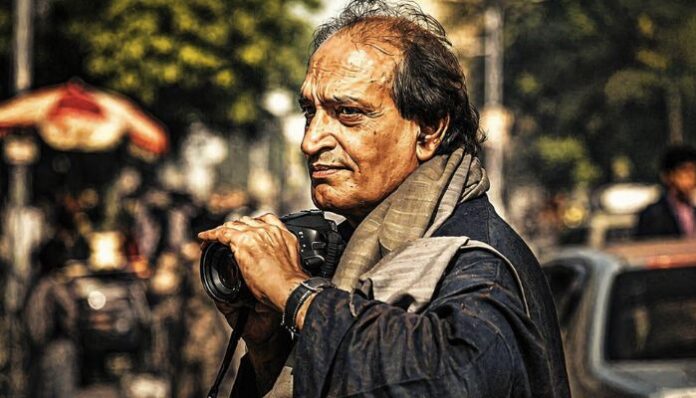
On 26th April, legendary photographer and photojournalist Raghu Rai passed away at the age of 83. With his death, India has lost one of its most powerful visual storytellers. For decades, Raghu Rai recorded the pain, politics and beauty of India in motion with his lens.
A civil engineer who became a photographer by chance
He was born in December 1942 and trained as a civil engineer before photography entered his life almost by accident. In the 1960s, during a visit to his elder brother and noted photographer S Paul in Delhi, Rai was introduced to the camera.
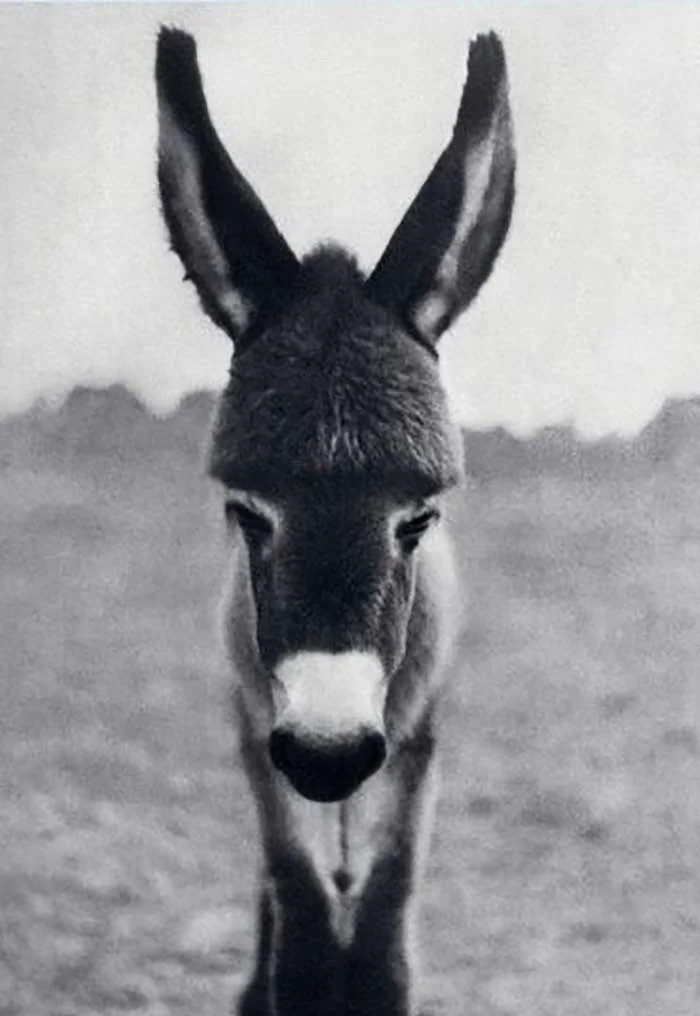
He began photographing in a village in Haryana where he captured a donkey looking straight into the lens, and it became one of the most iconic photographs clicked by him throughout his career. S Paul was so impressed by the photograph that he sent the image to The Times in London, where it was published. That one photograph changed the course of Rai’s life and pushed him towards a career that would define Indian photojournalism for decades.
In 1966, Rai joined The Statesman as chief photographer. He later worked with Sunday, the weekly news magazine from Calcutta. He then joined India Today as Picture Editor, Visualiser and Photographer. At India Today, he produced several powerful photo essays on social, political and cultural themes.
The man who showed Bhopal’s pain to the world
For many Indians, Raghu Rai will always be remembered as the man who brought the horror of the Bhopal Gas Tragedy before the world. His photographs from the disaster site did what words often fail to do. They forced people to look at the scale of death, grief and devastation caused by the tragedy.
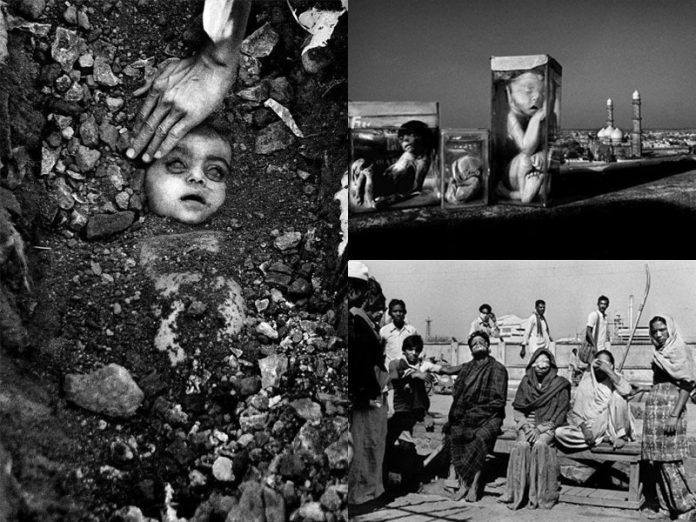
During a session at Arts College in Chandigarh on photojournalism, Rai had spoken about his experience of covering the Bhopal Gas Tragedy. He recalled that there was no time to think. He was numb and kept clicking photographs. “It was my job, and I was doing it dedicatedly,” he had said.
One of his most haunting photographs, showing the last rites of an unknown dead child, became one of the most painful visual memories of the tragedy. Rai had once said about the photograph that it was a heart-rending situation. The child had an innocent face, his eyes were wide open, and his family members were giving him the last caress.
Bangladesh war, Emergency and India’s turning points
Rai covered several defining moments in India’s modern history. In 1971, he covered the suffering, displacement and human cost of war during the 1971 Liberation War of Bangladesh. He was awarded the Padma Shri in 1972 for his work. He also documented the Emergency. He found ways to work around the restrictions imposed and often used symbolic representations to show the reality of those years.
His archive also includes photographs from Amritsar’s Golden Temple complex before Operation Blue Star, portraits of political leaders, religious figures, artists and ordinary Indians whose faces told stories that did not need long explanations.
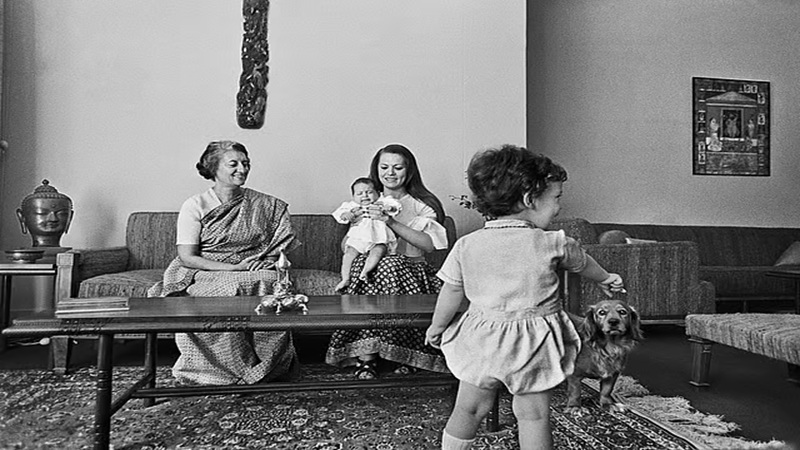
His iconic photographs include politicians like Indira Gandhi, Rajiv Gandhi, Manmohan Singh, Narendra Modi, Atal Bihari Vajpayee, and celebrities including Satyajit Ray, Amitabh Bachchan, Ustad Bismillah Khan, RK Laxman, JRD Tata, Dalai Lama and more.
Magnum Photos and global recognition
Rai’s work received global recognition after legendary French photographer Henri Cartier Bresson saw his exhibition in Paris in 1971. He was nominated to Magnum Photos. Rai formally joined the prestigious photographers’ cooperative in 1977 and became one of the most important Indian names in international photography.
His photo essays appeared in several leading magazines and newspapers across the world, including Time, Life, GEO, Le Figaro, Le Monde, The New York Times, Newsweek, Vogue, GQ, The Independent and The New Yorker. He also served as an adjudicator for international photography contests, including the World Press Photo Contest and UNESCO’s International Photo Contest.
When Manmohan Singh and Narendra Modi entered the same frame
Rai also turned his lens towards political personalities and power. His book “The Tale of Two: An outgoing and an incoming Prime Minister” captured the contrast between former Prime Minister Manmohan Singh and then-BJP prime ministerial candidate Narendra Modi during two political sessions in January 2014.
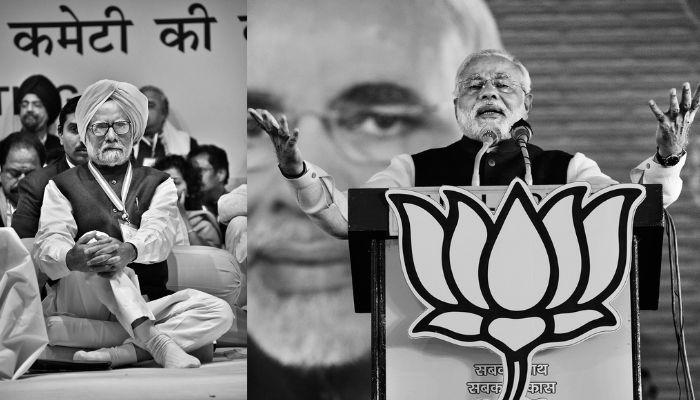
On 17th January 2014, Rai attended the Congress session and saw Manmohan Singh sitting a few feet away from Sonia Gandhi and Rahul Gandhi, with a fixed look of gloom on his face. Rai wrote that he was unnerved and asked himself who had done this to him, why they had done it, or whether Singh had done it to himself.
Two days later, on 19th January, Rai attended the BJP session and noticed a radical contrast in Modi’s presence. While Singh appeared isolated and resigned to his fate, Modi spoke to his supporters with confidence and purpose. Through those photographs, Rai captured not just two leaders, but a political transition that India was witnessing.
A legacy that will outlive the man
Raghu Rai’s work was never limited to making beautiful pictures. His photographs were documents of history, emotion and human truth. From Bhopal to Bangladesh, from the Emergency to the streets of Delhi, from anonymous faces to Prime Ministers, he recorded India with rare sensitivity and honesty.
Raghu Rai is no longer in this world, but the India he captured through his lens will remain an invaluable archive for generations.
