

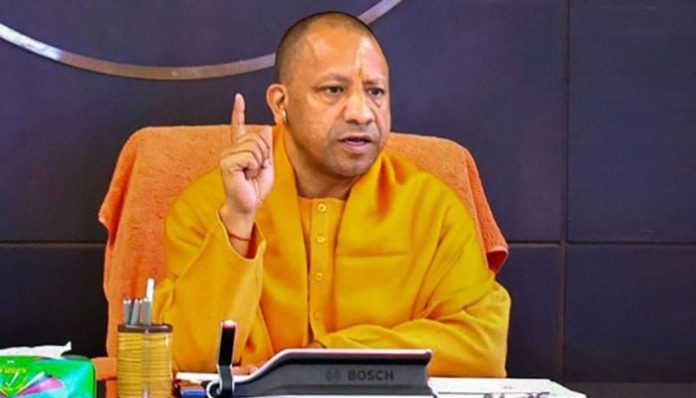
The Yogi government has introduced a new system to ensure quicker disposal of cases related to government and public land in Uttar Pradesh. Under the new arrangement, disputes involving reserved category land, government land, Gram Sabha land, Nazul land, evacuee property and enemy property will now be heard by specially formed three-member benches instead of a single-member bench or Circuit Court. The decision has come into effect immediately.
Special benches in Lucknow and Prayagraj
The new benches will function at the Board of Revenue in Lucknow and Prayagraj. Both pending cases and newly filed matters falling under these categories will be placed before these Special Benches. The benches will hear such cases every Wednesday to help speed up the disposal process and reduce delays.
Move aims for faster and fairer decisions
Board of Revenue Chairperson Archana Agrawal said the new arrangement has been introduced under Section 9 of the Uttar Pradesh Revenue Code. She said the decision follows Chief Minister Yogi Adityanath’s focus on removing encroachments from government and public land, resolving land disputes within a fixed time and making the revenue justice system more modern and technology-driven.
According to her, bringing three members together to hear these cases will help ensure better transparency, consistency and quality in decisions. Having multiple judicial views on every matter is also expected to make verdicts more balanced, impartial and uniform across the state.
Officials were directed to prevent delays
The Board of Revenue has instructed officials to identify all eligible pending and fresh cases and place them before the designated Special Benches without delay. This is expected to streamline the hearing process and reduce the time taken to resolve important land disputes.
The Yogi government said the Special Bench system is part of its larger plan to modernise Uttar Pradesh’s revenue administration and strengthen the protection of public land.
In recent years, the state has introduced digital land records, online mutation services and technology-based land surveys to improve transparency and accountability. Officials believe the latest reform will further strengthen the revenue justice system by ensuring quicker, more consistent and transparent disposal of land-related cases across the state
