

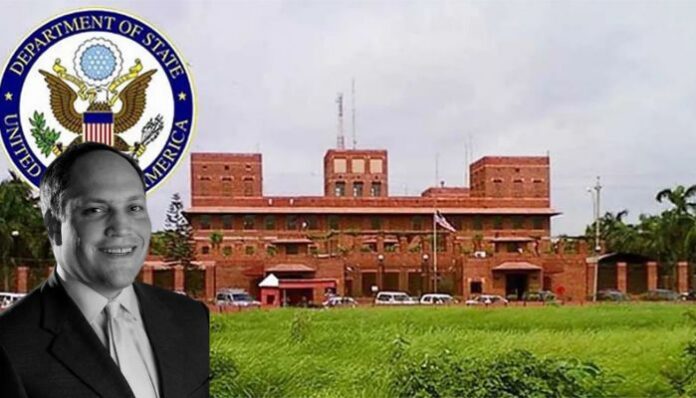
A former Pentagon official, Michael Rubin, has said that Jamaat-e-Islami has penetrated the US Embassy in Dhaka through locally recruited staff. It is raising questions about whether American diplomatic assessments of Bangladesh were shaped by individuals affiliated with the Islamist party.
Multiple reports say it played a central role in the anarchy that followed Sheikh Hasina’s ouster in August 2024.
On 24 November, Michael Rubin, director of policy analysis at the Middle East Forum, made a revelation. He questioned whether the State Department’s screening procedures had allowed Jamaat-affiliated individuals to influence Washington’s view of Bangladeshi politics.
Rubin drew a direct parallel between the infiltration of the US Embassy in Dhaka and the infiltration of UNRWA by Hamas. He argued that the State Department was repeating a model of inadequate vetting for local staff.
Rubin noted while citing a 2020 inspection report by the State Department’s Office of Inspector General.
He said the Dhaka embassy employed 511 local staff and 139 direct-hire positions across the State Department and USAID. He questioned whether those recruits had been adequately screened for Jamaat-e-Islami ties.
He specifically identified M.M. Firoze Ahmed as a full member of Jamaat-e-Islami. He was a political assistant at the embassy.
According to multiple reports, Ahmed has been a recurring figure in US Embassy engagement with Bangladeshi political actors, including meetings with the interim government and Jamaat leadership.
বাংলাদেশ প্রশ্নে ওয়াশিংটনের অন্ধত্ব: জামায়াতের সঙ্গে আমেরিকার বিপজ্জনক সম্পর্ক বাংলাদেশে জামায়াতে ইসলামী যখন শক্তি সঞ্চয় করছে, তখন ওয়াশিংটন রাজনৈতিক যোগাযোগের সুযোগকে রাজনৈতিক উপলব্ধি বলে ভুল করার ঝুঁকিতে রয়েছে মাইকেল রুবিন | ২৪ নভেম্বর ২০২৬ মূল ইংরেজি লেখা: Firstpost, ২৪ নভেম্বর ২০২৬ — https://t.co/wTJCb3m5YW গাজা সংঘাতের কেন্দ্রে রয়েছে জাতিসংঘ ত্রাণ ও কর্ম সংস্থা (ইউএনআরডব্লিউএ), যা জাতিসংঘ প্রতিষ্ঠা করেছিল ১৯৪৬ থেকে ১৯৪৮ সালের মধ্যে ম্যান্ডেটরি ফিলিস্তিনে বসবাসকারী আরবদের সহায়তা দেওয়ার জন্য। ইউএনআরডব্লিউএ-র নিজের ভাষ্য অনুযায়ী, এটি ছিল একটি অস্থায়ী সংস্থা, যার কার্যক্রম ১৯৫৩ সালে গুটিয়ে নেওয়ার কথা ছিল। তা কখনো হয়নি, কারণ একের পর এক আরব সরকার বুঝতে পেরেছিল যে তারা ইউএনআরডব্লিউএ-কে ইসরায়েলকে পেটানোর হাতুড়ি হিসেবে ব্যবহার করতে পারে। ইসরায়েল যেখানে আরব ও ইসলামি দেশগুলো থেকে আসা ৫,৮০,০০০-এরও বেশি ইহুদি শরণার্থীকে পুনর্বাসন করেছে, সেখানে জর্ডান ছাড়া অন্য আরব দেশগুলো ইসরায়েলের স্বাধীনতাযুদ্ধে বাস্তুচ্যুত আরবদের নিজেদের সমাজে অঙ্গীভূত করতে অস্বীকৃতি জানায়। পরবর্তী দশকগুলোতে ইউএনআরডব্লিউএ জাতিসংঘের সবচেয়ে রাজনৈতিকভাবে দুর্নীতিগ্রস্ত সংস্থাগুলোর একটিতে পরিণত হয়। ইউএনআরডব্লিউএ-র সাবেক জেনারেল কাউন্সেল (প্রধান আইন কর্মকর্তা) জেমস লিন্ডসে এর কারণ ব্যাখ্যা করেছেন: তাত্ত্বিকভাবে ইউএনআরডব্লিউএ এমন কাউকে চাকরি দেওয়া নিষিদ্ধ করে, যে “সন্ত্রাসী কর্মকাণ্ড ঘটিয়েছে”, কিন্তু বাস্তবে সংস্থাটি আবেদনকারীদের উত্তরের সত্যতা যাচাই বা নিশ্চিত করে না। “পশ্চিম তীর ও গাজায় সম্ভাব্য এরিয়া স্টাফ (স্থানীয় কর্মী) সদস্যদের একমাত্র যাচাই হলো চাকরির আবেদনপত্রে গ্রেপ্তার, অভিযোগ ও দণ্ড সম্পর্কে একটি প্রশ্ন। ওই প্রশ্নে আবেদনকারীদের উত্তর সঠিক কি না, তা কোনোভাবেই যাচাই করা হয় না,” লিন্ডসে ব্যাখ্যা করেন। যাঁরা ইউএনআরডব্লিউএ-র সেবা পান—কার্যত পশ্চিম তীর ও গাজার প্রায় সবাই—তাঁদেরও যাচাই করা হয় না। এমন ইচ্ছাকৃত অজ্ঞতার পর কারও অবাক হওয়ার কথা নয় যে হামাস ইউএনআরডব্লিউএ-র রসদ ও কার্যক্রম কবজা করে এমন এক সুড়ঙ্গ নেটওয়ার্ক গড়ে তুলেছে, যা ভিয়েত কংয়ের কু চি সুড়ঙ্গ নেটওয়ার্কের চেয়ে দ্বিগুণেরও বেশি বড়। আজ বাংলাদেশে মার্কিন দূতাবাস যখন স্থানীয় কর্মী নিয়োগ দেয়, তখন মার্কিন পররাষ্ট্র দপ্তর ইউএনআরডব্লিউএ-র সেই মডেলেরই পুনরাবৃত্তি করছে। বাংলাদেশে জামায়াতে ইসলামীর ইতিহাস সমস্যাপূর্ণ। ১৯৭১ সালে বাংলাদেশের স্বাধীনতাযুদ্ধের সময় জামায়াতে ইসলামী প্রকাশ্যে পাকিস্তানি সেনাবাহিনী ও সেই মিলিশিয়াদের পক্ষ নিয়েছিল, যারা বাঙালিদের বিরুদ্ধে নৃশংসতা ও গণহত্যা চালিয়েছিল। সাম্প্রতিক সময়ে জামায়াতে ইসলামী প্রকাশ্যে সন্ত্রাসবাদের পক্ষে সাফাই গেয়েছে। উদাহরণস্বরূপ, দলটি বিন লাদেনকে “ইসলামের যোদ্ধা” ও শহীদ আখ্যা দিয়েছিল। দলের এক আইনজীবী ব্যাখ্যা করেন, “ওসামা বিন লাদেন সব মুসলমানের নায়ক। তিনি হয়তো দুনিয়া ছেড়ে চলে গেছেন, কিন্তু তাঁর মিশন অব্যাহত থাকবে।” হামাস নেতা ইয়াহিয়া সিনওয়ারের মৃত্যুর পর জামায়াতে ইসলামীর আমির শফিকুর রহমান তাঁর স্তুতি করে বলেন, ‘ফিলিস্তিনের স্বাধীনতার জন্য শেষ নিঃশ্বাস পর্যন্ত বীরের মতো লড়াই করে তিনি জীবন উৎসর্গ করেছেন।’ ৯/১১ কমিশন যাঁকে “৯/১১ হামলার প্রধান স্থপতি” বলে বর্ণনা করেছে, সেই খালিদ শেখ মোহাম্মদ ২০০৩ সালের ১ মার্চ যখন গ্রেপ্তার হন, তখন তিনি ছিলেন জামায়াতে ইসলামীর এক নারী জেলা কাউন্সিলরের রাওয়ালপিন্ডির বাড়িতে, তাঁর ছেলের সঙ্গে, যিনি দলটির সদস্য। ২০০১ সালের ১১ সেপ্টেম্বরের হামলার পরিকল্পনাকারী হামবুর্গ সেলে কাজ করার দায়ে করাচিতে গ্রেপ্তার হওয়া ইয়েমেনি রামজি বিন আল-শিবকে করাচির যে অ্যাপার্টমেন্টে পাওয়া যায়, সেখানেও জামায়াতে ইসলামীর এক সদস্য ছিলেন। জামাআতুল মুজাহিদীন, শিবির ও হিজবুল মুজাহিদীনের সঙ্গে জামায়াতে ইসলামীর ঘনিষ্ঠ সম্পর্ক রয়েছে। তবু এমন তীব্র আমেরিকা-বিরোধিতা ও সন্ত্রাসকে আলিঙ্গন করা সত্ত্বেও মার্কিন দূতাবাস জামায়াতে ইসলামীকে প্রশ্রয় না দিলেও অন্তত সহ্য করছে বলেই মনে হয়; শুধু তা-ই নয়, দূতাবাসের নিজস্ব কাজকর্মেও দলটিকে অনুপ্রবেশ করতে দিচ্ছে। ২০২০ সালে মার্কিন পররাষ্ট্র দপ্তরের ইন্সপেক্টর জেনারেল ঢাকার মার্কিন দূতাবাস নিয়ে তাদের নিয়মিত প্রতিবেদনগুলোর একটি প্রকাশ করে। তাতে পররাষ্ট্র দপ্তর, মার্কিন আন্তর্জাতিক উন্নয়ন সংস্থা (ইউএসএআইডি) ও অন্যান্য সংস্থার জন্য ৫১১ জন স্থানীয় কর্মী এবং এর বাইরে আরও ১৩৯টি অনুমোদিত সরাসরি নিয়োগের (ডাইরেক্ট-হায়ার) পদ চিহ্নিত করা হয়। জামায়াতে ইসলামীর অনুপ্রবেশ ঠেকাতে পররাষ্ট্র দপ্তর এসব নিয়োগপ্রাপ্তকে যাচাই করেছে বলে মনে হয় না; বরং উল্টো, কিছু মার্কিন কূটনীতিক হয়তো ইচ্ছাকৃতভাবেই জামায়াতে ইসলামীর লোক নিয়োগের চেষ্টা করেছেন। ফাঁস হওয়া বিভিন্ন ঘটনা ইঙ্গিত দেয় যে ঢাকার মার্কিন দূতাবাস এমন একটি গোষ্ঠীর সঙ্গে বৈঠক করতে, এমনকি তার প্রতি সহানুভূতি দেখাতেও আগ্রহী, যে গোষ্ঠীর হাতে আমেরিকানদের রক্ত লেগে আছে এবং যা ন্যূনপক্ষে হামাসের দক্ষিণ এশীয় সংস্করণ হিসেবে কাজ করে। ২০২৩ সালের ২৬ অক্টোবর এক মার্কিন রাজনৈতিক কর্মকর্তা পরদিনের একটি সমাবেশ নিয়ে আলোচনার জন্য ঢাকার আমেরিকান ক্লাবে জামায়াতে ইসলামীর আন্তর্জাতিক বিষয়ক সম্পাদককে আপ্যায়ন করেন। ২০২৫ সালে রাজনৈতিক কর্মকর্তা জেমস এ. স্টুয়ার্ট দূতাবাসের সহকারী রাজনৈতিক বিশেষজ্ঞ মোহাম্মদ ইকবাল মাহমুদকে সঙ্গে নিয়ে সৌজন্য সাক্ষাতের জন্য সিলেটে জামায়াতে ইসলামীর স্থানীয় জেলা কার্যালয়ে যান। ২০২৬ সালের ২২ জানুয়ারি দ্য ওয়াশিংটন পোস্ট একটি ফাঁস হওয়া রেকর্ডিংয়ের খবর প্রকাশ করে, যাতে এক মার্কিন কূটনীতিক জামায়াতে ইসলামীকে বলেন যে ওয়াশিংটন তাদের “বন্ধু” হতে চায়। যে বিক্ষোভের মুখে প্রধানমন্ত্রী শেখ হাসিনা ক্ষমতাচ্যুত হন এবং জামায়াতে ইসলামী ক্ষমতাবান হয়ে ওঠে, তার আগে বাংলাদেশি সংবাদমাধ্যম খবর দিয়েছিল যে “ঢাকার মার্কিন দূতাবাসের বিপুলসংখ্যক স্থানীয় কর্মীর ছাত্রজীবনে বাংলাদেশের ইসলামপন্থী শক্তিগুলোর সঙ্গে সম্পৃক্ততার ইতিহাস রয়েছে বলে জানা গেছে,” যদিও তাতে কারও নাম উল্লেখ করা হয়নি। অভিযোগটি পরে আবারও ওঠে। স্থানীয় সংবাদমাধ্যম দূতাবাসের রাজনৈতিক সহকারী এম. এম. ফিরোজ আহমেদকে জামায়াতে ইসলামীর পূর্ণ সদস্য হিসেবে নাম উল্লেখ করে। নিয়োগের বাইরেও মার্কিন দূতাবাস তাদের অনুষ্ঠানে অসামঞ্জস্যপূর্ণ হারে জামায়াতে ইসলামীর সদস্যদের আমন্ত্রণ জানাত। জামায়াতে ইসলামীকে সহ্য করা, এমনকি ইচ্ছাকৃতভাবে হোক বা যাচাইয়ের অভাবে হোক, নিয়োগে দলটির সদস্যদের দিকে পাল্লা ভারী করা—এর গুরুত্ব আছে। পররাষ্ট্র দপ্তরের নিরাপত্তাব্যবস্থা কড়া হওয়ার সঙ্গে সঙ্গে মার্কিন কূটনীতিকেরা ক্রমেই তাঁদের চেনাজানা স্থানীয় কর্মীদের ওপর নির্ভরশীল হয়ে পড়েন। প্রতি দুই বছর পরপর কূটনীতিকদের দূতাবাসে বদলি হয়ে আসা-যাওয়ার কারণে মার্কিন কর্মকর্তারা এই স্থানীয় নাগরিকদের ব্যক্তিগত রাজনৈতিক এজেন্ডার খোঁজ রাখতে পারেন না। শেখ হাসিনার বিরুদ্ধে বিক্ষোভ শুরু হলে তাঁরা পরিস্থিতির ব্যাখ্যাকে এমনভাবে বাঁকিয়ে দেন, যাতে বাংলাদেশের প্রতিষ্ঠাতা পিতার ধর্মনিরপেক্ষ কন্যাকে দোষারোপ করা হয় এবং বিল ও হিলারি ক্লিনটনের মিত্র, ২০০৬ সালের নোবেল শান্তি পুরস্কারজয়ী মুহাম্মদ ইউনূসের হাসিনা-বিরোধী, ইসলামপন্থী-ঘেঁষা এজেন্ডাকে খাটো করে দেখানো হয়। গ্রামীণ ব্যাংক নিয়ে তদন্তের কারণে ইউনূস শেখ হাসিনাকে ঘৃণা করতেন। ক্লিনটন ফাউন্ডেশন যেটিকে অত্যাধুনিক ক্ষুদ্রঋণ হিসেবে প্রচার করেছিল, তা শেষ পর্যন্ত দরিদ্র বাংলাদেশিদের শোষণকারী “পে-ডে লোন” (চড়া সুদের স্বল্পমেয়াদি ঋণ) প্রতারণার চেয়ে বেশি কিছু ছিল না। বিক্ষোভগুলোও স্বতঃস্ফূর্ত ছিল না। লেখকের যুক্তি, পেছন ফিরে তাকালে যথেষ্ট প্রমাণ মেলে যে পাকিস্তানি গোয়েন্দা সংস্থা প্রায়ই জামায়াতে ইসলামীর মধ্যস্থতাকারীদের মাধ্যমে কাজ করে এসব বিক্ষোভ মঞ্চস্থ করেছিল। ইউএনআরডব্লিউএ ব্যর্থ হয়েছে—এবং হাজার হাজার মানুষ মারা গেছে—কারণ সংস্থাটি তার ভেতরে থাকা হামাস সদস্যদের ব্যাপারে অন্ধ ছিল, যারা আমলাতন্ত্রে ঢুকে একে দুর্নীতিগ্রস্ত ও নিয়ন্ত্রণ করেছে। আজ, এমনকি পররাষ্ট্রমন্ত্রী মার্কো রুবিওর পররাষ্ট্র দপ্তরেও একই ধারার পুনরাবৃত্তি ঘটছে। অনেক আমেরিকান যতটা ধারণা করেন, মার্কিন দূতাবাসগুলো তার চেয়ে বেশি স্থানীয় নাগরিকদের ওপর নির্ভর করে। দূতাবাসগুলো প্রায়ই ন্যূনতম রাজনৈতিক যাচাই করে তাঁদের নিয়োগ দেয়, ফলে বিদেশি রাজনৈতিক গোষ্ঠীগুলো বিশ্লেষণ এবং শেষ পর্যন্ত রাজনীতিকেও বাঁকিয়ে দেওয়ার সুযোগ পায়। প্রকৃতপক্ষে, সবচেয়ে বড় পরিহাসগুলোর একটি হলো, মার্কিন কংগ্রেস যখন জামায়াতে ইসলামীকে সন্ত্রাসী গোষ্ঠী না হলেও অন্তত সন্ত্রাসের মুখোশ (ফ্রন্ট) হিসেবে গণ্য করার প্রস্তুতি নিচ্ছে, তখন সামগ্রিকভাবে রুবিওর পররাষ্ট্র দপ্তর এবং বিশেষ করে ঢাকার মার্কিন দূতাবাস দলটির ভাবমূর্তি ধুয়েমুছে সাফ করতে এবং নিজেদের এজেন্ডা গঠনে দলটিকে ভূমিকা রাখতে দিতে চাইছে। (মাইকেল রুবিন ওয়াশিংটন ডিসির মিডল ইস্ট ফোরামের নীতি বিশ্লেষণ বিভাগের পরিচালক এবং উদয়পুরের উসানাস ফাউন্ডেশনের বিশিষ্ট ফেলো। উপরের লেখায় প্রকাশিত মতামত লেখকের ব্যক্তিগত এবং একান্তই তাঁর নিজের। এগুলো অপরিহার্যভাবে Firstpost-এর মতামতের প্রতিফলন নয়।)
— Michael Rubin (@mrubin1971) November 24, 2026
Rubin further said that the embassy had disproportionately invited Jamaat members to its functions. They extended the party’s access beyond its suspected presence among local employees.
He cited an October 2023 incident in which an American political officer hosted Jamaat-e-Islami’s international affairs secretary at the American Club in Dhaka to discuss a rally scheduled for the following day.
US Embassy political officer James A. Stewart went to Jamaat’s district headquarters in Sylhet. He was accompanied by an assistant political specialist.
A leaked conversation reported by The Washington Post in January 2026 also captured an American diplomat telling Jamaat representatives that the US wanted them to be “our friends,” while downplaying the party’s threat to Bangladeshi society
The controversy has surfaced against the backdrop of the August 2024 upheaval that forced Sheikh Hasina from power.
Far from a spontaneous student uprising, subsequent analysis has concluded that the regime change operation was “meticulously designed” and was the handiwork of Jamaat-e-Islami, the radical Islamist party that opposed Bangladesh’s creation in 1971.
Before Hasina’s ouster, her government had banned Jamaat-e-Islami and its student wing. It declared Chhatra Shibir a terrorist organisation under theAnti-Terrorism Act of 2009.
The government cited their role in countrywide mayhem during the quota reform protests. Jamaat and its student wing hijacked the protests and turned them violent.
The party’s student cadre, backed by Pakistan’s ISI, openly supported anti-government demonstrations that provoked the recent turmoil.
In the weeks following Hasina’s departure on 5 August 2024, Jamaat-e-Islami and its affiliated networks were at the forefront of violence targeting Hindus.
Reports documented 205 attacks on Hindus in Bangladesh, while Jamaat-linked social media outlets such as “Basherkella” worked to downplay and whitewash the atrocities committed against the Hindu community.
UK parliamentarians later described the campaign as an “attempt at ethnic cleansing of Hindus.”
They noted that extremist groups from Jamaat-e-Islami had attacked Hindu temples in Chittagong and orchestrated violence against the Hindu population. They attacked and vandalised 69 Hindu temples, as recorded over 16 days.
Rubin’s revelation carries broader implications for US policy in South Asia. He has previously urged the Trump administration to designate Jamaat-e-Islami as a foreign terrorist organisation and to place Bangladesh on a religious freedom watch list. He is arguing that the party should not be treated as a normal political actor.
The US Embassy in Dhaka has maintained that Washington does not favour one political party over another. They will work with whichever government is elected by the Bangladeshi people.
However, the combination of leaked diplomatic conversations, the identification of a Jamaat member in a sensitive political-reporting role, and the party’s documented role in the post-Hasina violence has fuelled concerns that Washington’s Bangladesh policy may have been shaped by voices sympathetic to the very forces that destabilised the country.
