

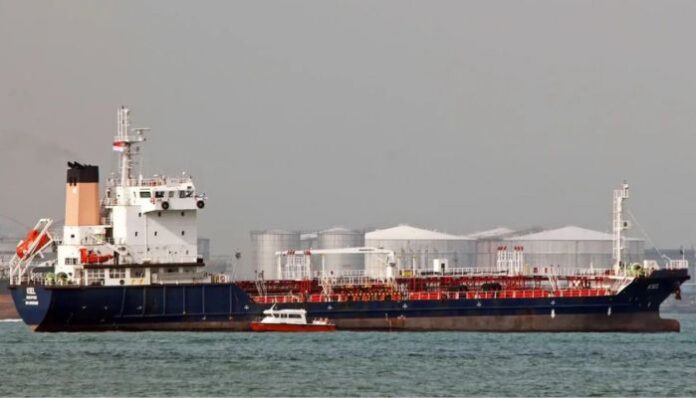
In a major action against international smuggling of oil, the Indian Coast Guard has disrupted a well-planned international network involved in the illegal transfer of oil and oil-based cargo at sea. The operation was conducted on 6th February after a well-thought-out surveillance operation from sea and air and took place about 100 nautical miles away from Mumbai, to the west.
On 06 Feb 26, @IndiaCoastGuard busted an International oil-smuggling racket in a meticulously coordinated sea–air operation. The syndicate exploited mid-sea transfers in international waters to move cheap oil from conflict ridden regions to motor tankers, evading duties owed to… pic.twitter.com/erJ31U4xyH
— Indian Coast Guard (@IndiaCoastGuard) February 7, 2026
Officials said the crackdown was the result of continuous monitoring using modern surveillance systems. The Coast Guard first noticed a motor tanker moving in a suspicious pattern inside the Indian Exclusive Economic Zone (EEZ). This led to a deeper digital check of the vessel’s movement, route history and behaviour at sea.
As the analysis continued, Coast Guard teams noticed two more vessels moving unusually close to the tanker. The timing and movement of these ships did not match normal maritime activity. Based on data patterns and past smuggling methods, officials suspected that the ships were preparing for an illegal ship-to-ship transfer of oil cargo, a common trick used to avoid port checks and taxes.
On 5th February, Coast Guard ships intercepted all three vessels. Special boarding teams were sent on board to carry out detailed checks. These included physical searches, verification of ship papers, examination of electronic navigation and communication systems, and questioning of crew members.
During these checks, officials found mismatches in documents and statements, which helped them piece together how the smuggling was being carried out.
According to the Coast Guard, the network used a smart method to move large amounts of low-cost oil sourced from conflict-hit regions. The oil was transferred mid-sea to motor tankers in international waters and then routed in a way that avoided customs duties and regulatory checks. This caused major financial losses to coastal states, including India.
The operation was confirmed by Coast Guard PRO Commandant Amit Uniyal, who said the racket was run by handlers based in multiple countries. These handlers coordinated the movement, sale and transfer of oil between ships far from the coastline to escape detection.
He added that the vessels were found to be frequently changing their names and flags to confuse tracking systems and avoid action by maritime agencies.
Initial findings also showed that the owners of the intercepted vessels are based in foreign countries, highlighting the international reach of the network. After confirming illegal activity, the Coast Guard apprehended the vessels.
They are expected to be escorted to Mumbai for a detailed investigation and will later be handed over to Indian Customs and other law enforcement agencies for further legal action.
Officials said this operation once again shows the Coast Guard’s growing strength in using technology along with on-sea presence to protect India’s maritime interests. The successful action sends a strong message against smuggling, economic crimes and other non-traditional threats at sea, and underlines India’s role in maintaining safety and order across its vast maritime zone.
