

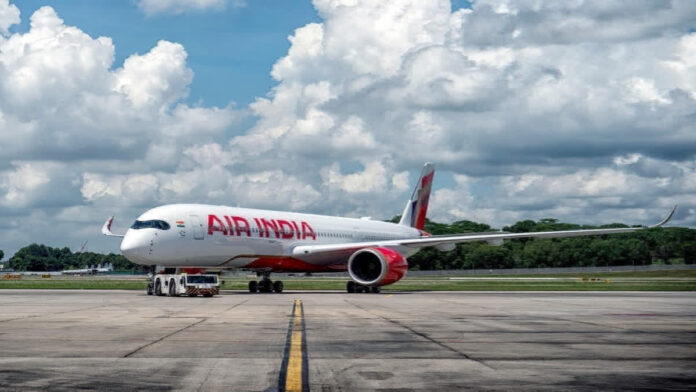
Two more Air India pilots have failed the preliminary drug screening ordered by the Tata-owned airline in the wake of the alarming Phuket-Delhi flight incident that left several passengers injured. The final test reports are still awaited, according to sources, and both pilots have been temporarily de-rostered.
Air India ordered comprehensive drug screening for its pilots after the commander of the Phuket-Delhi flight failed two urine tests conducted after the aircraft landed. Marijuana was reportedly detected in his system.
More than 300 Air India pilots have undergone the screening so far as the airline moves to implement a new standard operating procedure (SOP) on drug testing. Sources said final test results generally take between 24 and 48 hours.
The development comes amid reports that a cabin crew member on the Phuket-Delhi flight had earlier complained that the pilot had smoked “pot”.
The flight at the centre of the controversy was operated by an Airbus A320neo. The aircraft experienced a sudden 300-foot drop during the flight, with aircraft data subsequently indicating a simultaneous loss of control of critical flight surfaces for around four seconds.
During that period, the elevators and ailerons reportedly moved without pilot commands following multiple failures involving the aircraft’s three hydraulic systems. The spoilers were also rendered uncontrollable as a consequence of the hydraulic failure.
The hydraulic systems are fundamental to the operation of the aircraft’s primary and secondary flight controls. Elevators control the aircraft’s pitch, raising or lowering its nose; ailerons control its roll by moving the wingtips up or down; while spoilers reduce lift and increase drag, helping an aircraft descend, slow down and assist with braking during landing.
The incident was initially described in reports as a case involving “turbulence”. However, subsequent data from the aircraft’s system logs provided a clearer picture of the technical failures involved.
Amid the scrutiny, Air India had said that it regularly conducts drug testing of crew members in accordance with civil aviation regulations and that such testing was not initiated specifically because of the Phuket-Delhi incident.
The latest screening of pilots, however, marks a significant expansion of the testing process as the airline seeks to strengthen its safety protocols following the incident.
