

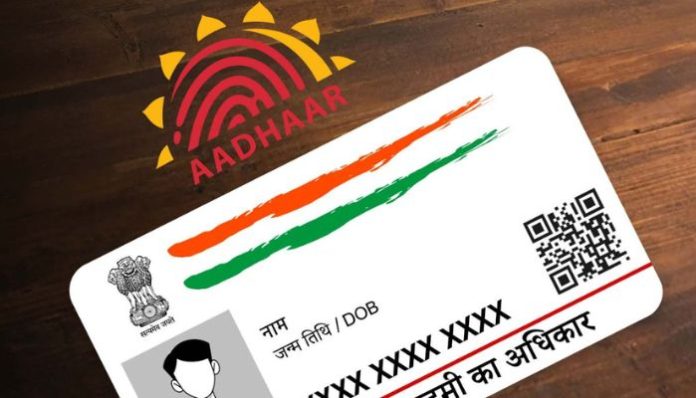
The Unique Identification Authority of India (UIDAI) has taken a major step to keep the Aadhaar database accurate by deactivating over 2 crore Aadhaar numbers belonging to people who have passed away. This is part of a nationwide effort to remove outdated records and prevent misuse of these IDs.
Unique Identification Authority of India (#UIDAI) deactivates over two crore Aadhaar numbers of deceased individuals as part of a nationwide clean-up effort to maintain the continued accuracy of the #Aadhaar database. pic.twitter.com/QnCfH0NWDZ
— All India Radio News (@airnewsalerts) November 27, 2025
To carry out this process, UIDAI has gathered data about deceased individuals from many sources, including the Registrar General of India (RGI), various States and Union Territories, the Public Distribution System, and the National Social Assistance Program. They are also planning to work with banks and other institutions to get more information about deaths.
It’s important to know that Aadhaar numbers are never given to new people once deactivated. When someone dies, their Aadhaar number is deactivated to stop anyone from using it fraudulently or to wrongfully claim government benefits.
Earlier this year, UIDAI introduced a simple way for family members to report the death of a loved one through the myAadhaar portal. This service covers deaths registered in 25 states and UTs that use the Civil Registration System. UIDAI is working to include the rest of the states and UTs soon.
To report a death on the portal, a family member must log in, provide their Aadhaar number and the death registration number, along with some other personal details about the deceased. After verifying the information, UIDAI either deactivates the Aadhaar number or takes other necessary steps.
UIDAI is urging all Aadhaar holders to report the death of relatives on the myAadhaar portal once they have an official death certificate. This helps keep the database clean and protects everyone from identity misuse.
