

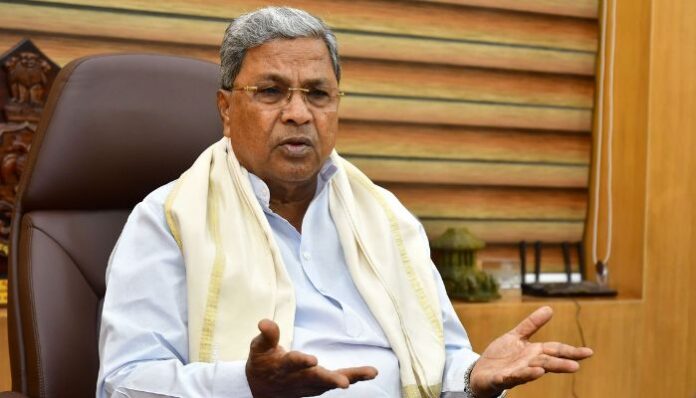
The Congress government in Karnataka is facing criticism after thousands of government employees did not receive their March salaries by 18th April, raising concerns about a financial crunch and the impact of welfare spending in the state.
Across several departments like revenue, education, police, animal husbandry, and information and public relations, employees who usually get paid in the first few days of the month are still waiting. While a few staff members got their salaries around 9-10 April, a large number remain unpaid, creating stress and uncertainty among nearly 6.4 lakh government workers.
Teachers and other employees say the delay has come at a difficult time. Many depend on their monthly income to pay school fees, buy uniforms, and manage household expenses. One teacher from Bengaluru said the situation is worrying as April is an important month for family spending.
Inside the system, officials point to both technical issues and a shortage of funds as reasons behind the delay. Usually, there is a small delay of one or two weeks after the financial year ends, but this time it has stretched to nearly three weeks, which many say is unusual.
There are also discussions within departments that a large amount of money, around Rs 6,000 crore, was moved to fund the Gruhalakshmi scheme, where payments were pending for months, especially before the 9th April bypolls in Davanagere South and Bagalkot. This has added to concerns that heavy spending on freebies may have affected the government’s ability to release salaries on time.
However, the state finance department has denied any diversion of salary funds. Principal Secretary Ritesh Kumar Singh said salary payments are handled by department heads and suggested that delays may be due to some officers being slow in processing payments. He said that there is no reason for government employees not to receive their salaries.
Officials in the treasury department have said efforts are being made to arrange funds and clear dues, with hopes that pending salaries will be cleared soon. Still, reports from departments like stamps and registration suggest that funds have not yet reached all offices, pointing to gaps in allocation and release.
