Home Blog Page 1546

‘Dharavi tender was finalised transparently when MVA govt was in power’: Adani group responds to Uddhav Thackeray’s allegations against the redevelopment project

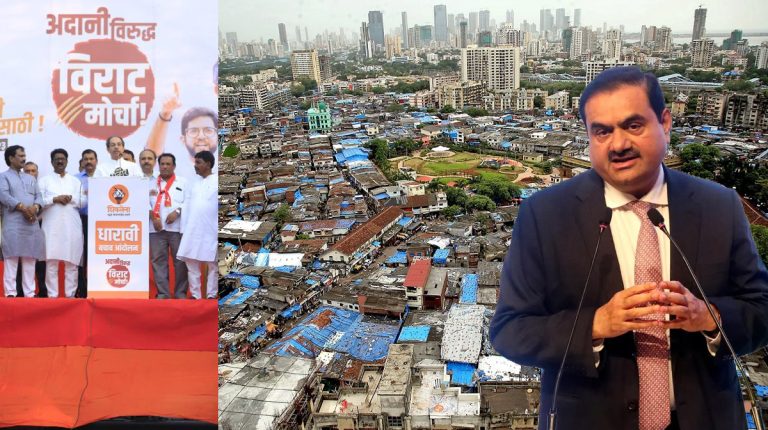
On 16th December (Saturday), Adani Group released a press statement asserting that the project for the redevelopment of the Dharavi slum in Mumbai was awarded to the Adani Group through a fair, open, and internationally competitive bidding process. The group highlighted that the tender conditions were finalised when the MVA government was in power.

The official response from the company came in the backdrop that Shiv Sena (UBT) leader and former Maharashtra CM  Uddhav Thackeray on Saturday led a protest march of the party, alleging favour to Adani Group in connection with the Dharavi redevelopment project.

“It is unfortunate that a concerted effort is being made to disseminate misinformation about certain aspects of the project,” the press release said.

In its statement, the group noted, “The finalised conditions, including the obligations and incentives, which were known to all the bidders, have not been changed for the awardee post the tendering process. Hence, it is wrong to claim that any special benefits have been given to the awardee.” 

The group reiterated that all eligible tenement holders will be moved into their new homes in Dharavi itself. As per the tender conditions, even ineligible tenement holders will be provided accommodation under the Rental Housing Policy. The tender provisions also ensure that eligible residential tenements will receive 17% more area than other SRA projects in Mumbai, the statement added.

Meanwhile, addressing the protesters, Uddhav Thackeray alleged that the redevelopment project involves TDR irregularities worth more than Rs 100 crore, which is the “biggest scam in the world”. Leading the march from Dharavi to Adani office in Bandra, the former CM demanded that the government should redevelop the slum, not the Adani Group, and Dharavi residents should get the houses they deserve.

Regarding the TDR allegations, the Adani group stressed that the resettlement of Dharavikars is not affected by Transferable Development Rights (TDR). Also, the TDR from the project will be managed and monitored transparently through a specially created portal by the Municipal Corporation of Greater Mumbai (MCGM) and the Government of Maharashtra, the group added in its press release.

CM Eknath Shinde also countered Uddhav Thackeray for his opposition to the project, saying that when Uddhav Thackeray became the CM under the MVA alliance, he had stalled many projects started by the earlier BJP-Shiv Sena government, which had impeded the development of the state.

Notably, in July, the Maharashtra government officially awarded the Dharavi Redevelopment project, spanning 259 hectares, to an Adani group firm.

The Maharashtra government has entered into a 99-year lease agreement with the Indian Railways and then it will be sub-leased on 30 years+30 years basis like any other government land in Mumbai to the housing societies. There is no change in this policy for the Dharavi Redevelopment Project, the release added.

The official release has been issued through the Spokesperson of Dharavi Redevelopment Project Private Ltd (DRPPL). In the statement, the Spokesperson added, “There is a general consensus, not only in Mumbai and Maharashtra but also across the whole of India, for transforming Dharavi and providing the people of Dharavi with better living conditions, adequate hygiene, education, and vocational training, healthcare, employment opportunities, essential amenities and a life of dignity.”

The DRPPL stressed that the Dharavi project assumes added significance because many earlier attempts have failed to deliver. 

“There is no gainsaying the fact that a transformational project like Dharavi needs support from all stakeholders, including from political parties cutting across ideologies and differences. This is a historic opportunity to build a new, state-of-the-art Dharavi which reflects the hopes and aspirations of Dharavikars,” the press release further added. 

It is important to note that in August 2023, the Maharashtra government filed an affidavit regarding the project in the Bombay High Court. The affidavit stated that the tender process for the Dharavi redevelopment project was “absolutely transparent” and “no undue favour” was given to the highest bidder, Adani Group.
India proposes to recreate a maritime voyage to Oman, stitched ship to sail from Mandvi to Muscat

0

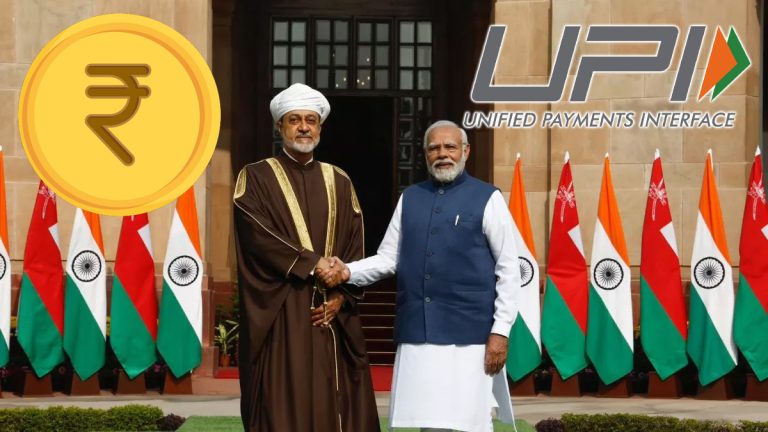
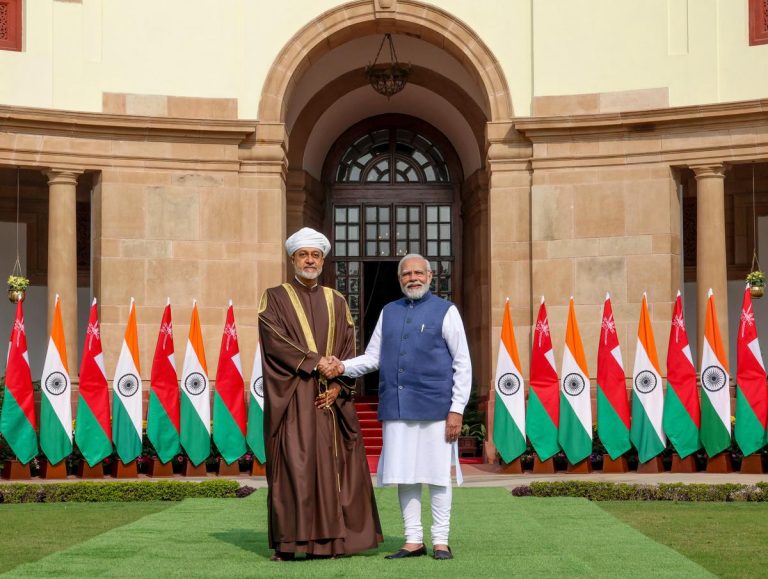
In a landmark development, Prime Minister Narendra Modi and the Sultan of Oman, Haitham bin Tarik, have revealed an ambitious proposal to recreate a historic maritime voyage, reviving ancient trade routes between India and Oman.

The leaders fondly recalled the rich history of maritime trade that facilitated the exchange of goods and ideas for centuries.

“PM Modi and Sultan of Oman recalled the long history of maritime trade between India and Oman, enabling the exchange of goods and ideas across millennia. They reflected on the significant role played by dhows in facilitating trade and cultural exchanges, contributing to a longstanding and enriching history of interaction between the Indian subcontinent and the Arabian Peninsula, especially Oman,” a joint statement read.

The tentative plan outlines a journey that would see the ship setting sail from the port of Mandvi in Gujarat to Muscat, with the anticipated timeline set for sometime in 2025-26. Further voyages to other regions are also under consideration.

The leaders appreciated a proposal by the Ministry of Culture, Government of India, to recreate a maritime voyage of a stitched ship, crafted with ancient know-how in India. The tentative plan is for the ship to sail from the port of Mandvi in Gujarat to Muscat sometime in 2025-26, followed by further voyages to other regions, the joint statement added.

Both leaders expressed confidence that this maritime voyage would “spotlight the ancient and historical connections between India and Oman, thereby strengthening the bedrock of mutual trust and people-to-people ties between the two nations,” the statement also read.

At the invitation of the President of India, Droupadi Murmu, Sultan Haitham bin Tarik, the Sultan of Oman, paid his maiden state visit to India on December 16, 2023. Sultan Haitham bin Tarik was accorded a ceremonial welcome at the forecourt of the Rashtrapati Bhawan in New Delhi. President Droupadi Murmu hosted a banquet dinner in honour of the Oman Sultan.

This visit is of special significance as it marks the Sultanate of Oman’s Sultan’s first visit to India in over 25 years since the late Sultan Qaboos’ visit in 1997. His Majesty’s visit follows the visit of the Prime Minister of India, Shri Narendra Modi, to the Sultanate of Oman in February 2018, the joint statement also said.

PM Modi and Sultan Haitham bin Tarik held closed consultations followed by delegation-level talks on Saturday. The meetings were marked by great warmth and friendliness. The two leaders expressed satisfaction at the excellent state of bilateral relations, which have stood the test of time, evolving into a strong and enduring partnership built on historical ties, mutual trust and respect, and shared interests, it added.

The two leaders noted with satisfaction the continued exchange of high-level visits, which have helped progress in the various areas of cooperation. Both leaders also held discussions on the entire gamut of bilateral cooperation, including political and security cooperation, defence, trade, energy security and renewables, healthcare, education, culture, and people-to-people relations.

On the sidelines of the visit, an India-Oman Joint Commemorative Postage Stamp was released, symbolising the long-standing cultural and people-to-people relationship between the two countries. The Joint Postage Stamp depicts traditional folk dances, artfully showcasing the cultural heritage of India and Oman and will be cherished by both philatelists and art enthusiasts in both countries.

Sultan Haitham bin Tarik also expressed his gratitude to India for inviting the Sultanate to participate in the G20 as a special guest country. He also appreciated India for the successful organisation of the G20 Summit and two editions of the Voice of Global South Summit, acknowledging India’s role in facilitating a platform for global cooperation and discussions on critical international issues.

The Sultan of Oman also commended India and Prime Minister Modi for the remarkable achievement of India’s G20 Presidency in bringing together and uniting countries with diverse worldviews and priorities to culminate in the adoption of the landmark New Delhi Leaders’ Declaration, according to the joint statement.

During the ongoing visit, as many as six MoUs were signed.

Both leaders expressed their confidence in the ample scope for the further development of bilateral relations. Sultan Haitham bin Tarik thanked Prime Minister Narendra Modi for the warm and generous hospitality of the government and the people of India. His Majesty Sultan Haitham bin Tarik also extended a cordial invitation to Prime Minister Modi to visit the Sultanate of Oman, the joint statement read.

(This news report is published from a syndicated feed. Except for the headline, the content has not been written or edited by OpIndia staff)

Largest ever outreach initiative: Modi govt’s Viksit Bharat Sankalp Yatra reaches over 2.50 Crore citizens across 68,000 Gram Panchayats in just a month

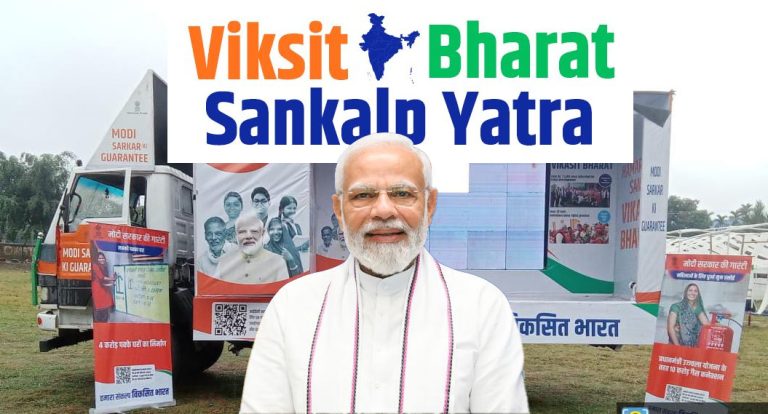
On 16th December (Saturday), Prime Minister Narendra Modi interacted with and addressed the beneficiaries of the Viksit Bharat Sankalp Yatra (VBSY) which recently completed its one month. During his address, PM Modi asserted that the ‘Modi ki guarantee’ vehicle is now reaching all parts of the country.

Notably, PM Modi had flagged off the Viksit Bharat Sankalp Yatra on 15th November from Khunti, Jharkhand and it is the largest ever-outreach initiative of the Indian government. With the spirit of “Jan Bhagidari”, the initiative aims to ensure 100% saturation of government schemes. It will cover 2.60 lakh Gram Panchayats and 4000+ urban local bodies across the nation by 25th January 2024. 

During today’s event, PM Modi interacted with thousands of Viksit Bharat Sankalp Yatra beneficiaries from across the country. This was the fourth time that PM Modi interacted with various benefactors since the start of this yatra. A large number of Union Ministers, MPs, MLAs, and local-level representatives also joined the program.

During the programme, PM Modi noted that the VBSY could not begin earlier due to the Model Code of Conduct during elections. He urged the newly elected governments of the five states to rapidly expand the VBSY in their state. Consequently, the Prime Minister flagged off the VBSY in Rajasthan, Madhya Pradesh, Chhattisgarh, Telangana, and Mizoram. 

Addressing the beneficiaries, PM Modi stated that in its one-month journey, the VBSY has reached thousands of villages as well as 1500 cities which include smaller cities and towns. 

Highlighting its Jan Andolan aspect, PM Modi asserted, “Even though Modi has flagged off the Vikas Bharat Sankalp Yatra, the truth is that today the countrymen have taken charge of it.”

PM Modi stressed that the government is focussed on reducing people’s issues as a family member. He also highlighted the assistance provided by the government during the coronavirus pandemic, including disbursal of thousands of crores of rupees into the bank accounts of 20 crore women, ensuring free covid vaccine, free ration for poor families, and assistance worth lakhs of crores to small businesses. 

PM Modi remarked, “Modi’s guarantee begins when expectations from others cease.”

PM Modi added that the government is committed to saving money for urban families, be it exemption in income tax or low-cost treatment. He highlighted the inclusion of crores of urban poor where the Ayushman Card has helped them save Rs 1 lakh crore on medical expenses. He also mentioned the Jan Aushadhi Kendras where medicines are made available at an 80 percent discount, thus saving more than Rs 25,000 crores for the poor and middle class living in cities.

PM Modi also informed the government’s decision to increase the number of Jan Aushadhi Kendras to 25,000. Concluding the address, PM Modi noted, “‘Modi Ki Guarantee’ vehicle is also empowering both youth power and women” and urged everyone to take maximum advantage of VBSY.

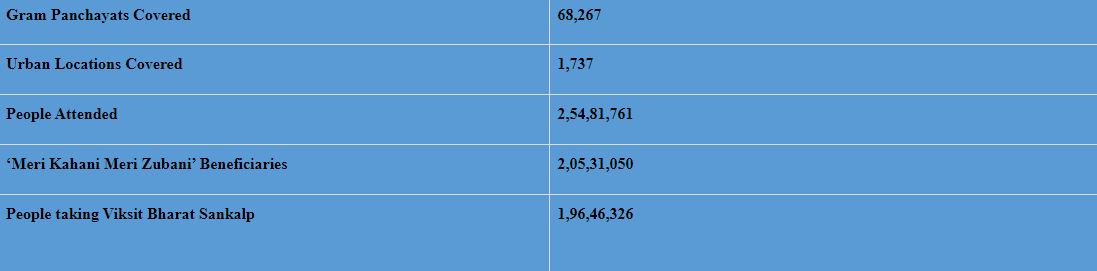
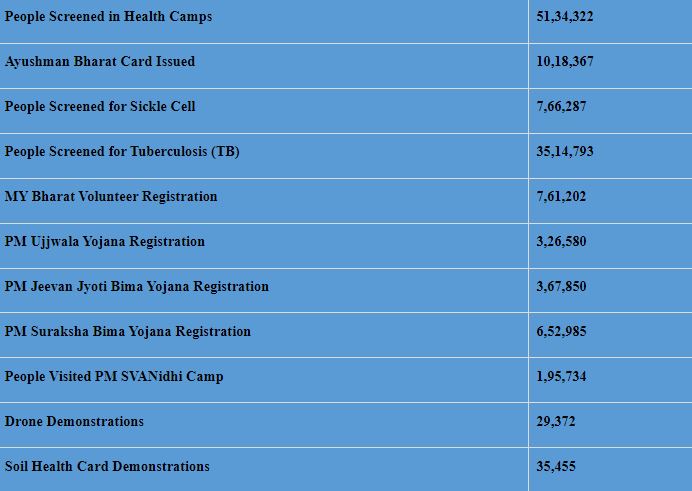
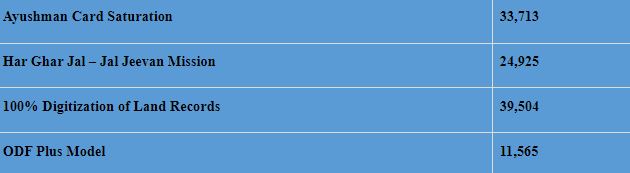
Here are the key statistics and achievements of the VBSY: (As of December 16, 2023; 1:00 PM) 

(Overall Report, Source – Official Press release by Ministry of Information and Broadcasting)
(From health check-ups to issuing Ayushman cards, the table shows stats of Yatra’s on-spot services and their impact)
(The tables show gram Panchayats with 100% Ayushman coverage, Har Ghar Jal connections, digitised land records, and ODF Plus status)

In a short span of just one month, the Yatra has reached more than 2.50 Crore citizens across 68,000 Gram Panchayats (GPs) in the country. Further, nearly 2 Crore individuals have taken Viksit Bharat Sankalp and over 2 Crore beneficiaries of Central Government Schemes have shared their experiences under the ‘Meri Kahani Meri Zubani’ initiative. 

I don’t feel safe here, can’t even go to a park without being harassed: Pakistani actress Ayesha Omar exposes the ugly truth of her country

0

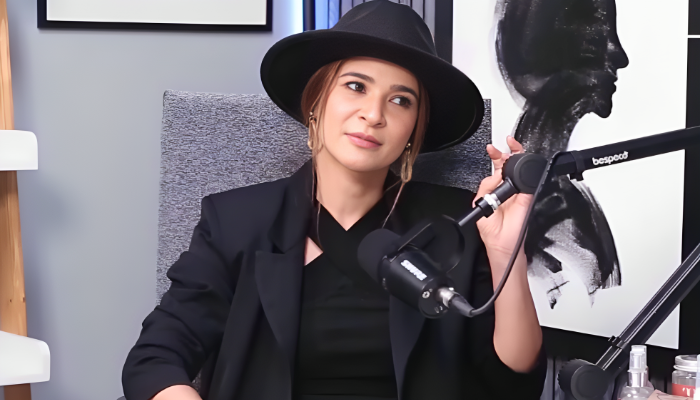
Famous Pakistani actress and YouTuber Ayesha Omar recently opened up about the challenges women face in the country and related her own early experiences with harassment. She voiced her serious concerns about Pakistan’s lack of safe public spaces for women during a discussion on the Adnan Faisal Podcast. She brought attention to the problem of women feeling insecure on the streets and roads. She declared that she no longer felt secure in her native country and acknowledged the ongoing fear and uncertainty that exist there.

Furthermore, she is thinking of leaving the country due to the present state of the economy and the safety of women there. “I don’t feel safe here. I want to be able to walk on the road. It’s a basic human need to be able to walk outside in the open air. All these women in your office, can you guys walk on the street? Isn’t that sad? I don’t want to sit in a car. I want to cycle. Why can’t I ride a bike,” the celebrity lamented the poor status of women’s security in the Islamic Republic.

She explained the particular difficulties that Pakistani women confront and pointed out that men might never really understand the constant trepidation and stress that women experience on a daily basis. “Men can never understand what Pakistani women grow up with. As much as you try, you cannot. Because of the fear that a woman has in this country, sure, he who has daughters may understand. Being in a woman’s shoes and understanding that is impossible. You’re anxious every second.”

She emphasised that safety and freedom are fundamental human needs and expressed her sincere wish for a time when women are able to move freely within their nation without dread of abduction, rape or mugging. “When will the time come when I can roam freely in my country? Without the fear of being kidnapped, without the fear of being raped, without the fear of being mugged. It’s a basic human need. Freedom and safety.”

While admitting that crime exists in every nation, she argued for a shift in societal perceptions and the establishment of a safe environment in which people, especially women can stroll on the street without fear. She shared stories of being followed, catcalled and harassed in order to bring attention to the upsetting reality that many women encounter when trying to enjoy public settings.

“There is crime in every country in the world. But people can, at least, walk on the road. You can’t even go to the park without ten people following you or catcalling you. They say weird things, they try to touch you. What do you do? What do you do,” the Pakistani star questioned helplessly. “We can go to the enclosed places but not everyone can afford access to these alternative spaces,” she concluded. 

She unveiled that the cook of her neighbour had made unwanted attempts to touch her and went on to add that she feels frightened even in posh areas. The actor pointed out that the COVID-19 shutdown was the only time she felt comfortable walking around the city. She disclosed that her mother intends to depart the nation and that her brother who was born in Pakistan now resides in Denmark.

Watch the entire interview below:

Odisha: Kashmiri fraudster posing as PMO official from Jaipur arrested by STF

0

The Odisha Special Task Force (STF) arrested a Kashmiri fraudster who was also wanted by Kashmir Police in connection with cheating and forgery and has a non-bailable warrant pending against him.

The accused has been identified as Sayed Ishaan Bukhari, also known as Ishaan Bukhari and Dr Ishaan Bukhari.

As per an STF release, the accused was found to be impersonating a Neuro Specialist Doctor, an Army Doctor, an officer in PMO, a close associate of some high-ranking NIA officials etc.

The 37-year-old accused hails from Kupwada district in Jammu and Kashmir and is suspected to have anti-national links, the release said.

As per the release, it was also found that the accused has married at least 6-7 girls from various parts of India including Kashmir, UP, Maharashtra and Odisha. He was also active on various websites/ Apps and was in romantic relationships with many girls impersonating a doctor with international degrees.

“On getting reliable information, on December 15, a team of STF with the help of local police officials and in the presence of witnesses, conducted a raid at Neulpur, Dharmshala, Jajpur and arrested one Sayed Ishaan Bukhari @ Ishaan Bukhari @ Dr Ishaan Bukhari, 37 Years S/o. Sayed SaifeUddin Bukhari @ Peer Mohammad Muqbool At-85, Peer Mohalla, Handwara, Kupwara, Jammu & Kashmir-193221 At/Pr. Neulapur PS. Dharmasala Dist. Jajpur, Odisha for impersonation/cheating/ forgery and links with anti-national elements,” the release stated.

A case has also been registered by STF under Sections 419/420/465/467/468/471/120(B) IPC r/w. Sec. 66 C/66 D of IT Act, 2000.

During the raid, many incriminating materials including more than 100 documents were seized, the release stated.

JN Pankaj Inspector General, STF Odisha said that it was also found that he was in touch with suspicious persons in Kerala and some Pakistani nationals.

Numerous forged documents like medical degree certificates issued by Cornel University of USA, Canadian Health Services Institute, Christian Medical College Vellore etc. were seized. Some blank signed documents/ affidavits/ Bonds, numerous Identity cards, ATM cards, blank Cheques, Aadhar cards, visiting cards etc. were also seized, he added.

Further investigation is underway, the release added.

(This news report is published from a syndicated feed. Except for the headline, the content has not been written or edited by OpIndia staff)

UP: Armyman’s sister abducted by Izmamul, Alamgir, Meraj Ansari, and Naushad Ansari in Kushinagar, father alleges forced religious conversion

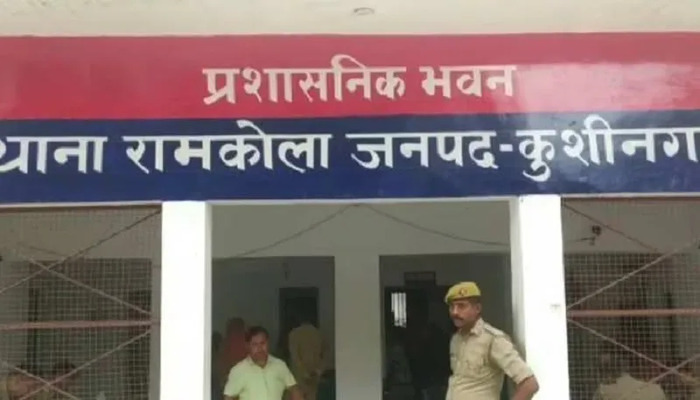
On Friday (December 15), a 20-year-old girl was abducted in Uttar Pradesh’s Kushinagar at about 4 a.m. The girl had gone out to attend nature’s call with her mother at the time when accused Izmamul Ansari, Alamgir, Meraj Ansari, and Naushad Ansari came in their Bolero car and abducted her. In this case, the victim’s family has appealed to the police to bring the girl back. According to the father of the kidnapped girl, the kidnappers were recognised by his wife, who is from the same village but belongs to a different community. He claimed they intended to convert his daughter to Islam. The victim’s father expressed his apprehension that if the girl is not found soon, the perpetrators might harm her.

This incident occurred in the Kushinagar district’s Ramkola police station precinct. The girl’s mother screamed for help, but the abductors forced her face against the wall and took the victim with them. The victim’s father said that the abductors fled in their Bolero car along with the girl as soon as the villagers gathered. According to media reports, all of the perpetrators have been identified, and an FIR has been registered. Moreover, the police have apprehended three people so far. 

The FIR also names a woman identified as Quresha Ansari. Quresha is allegedly involved in the religious conversion conspiracy along with the accused persons. OpIndia has a copy of the FIR, in which the complainant stated that his daughter had been abducted by Izmamul Ansari, Alamgir, Meraj Ansari, Naushad Ansari, and Pravet alias Parvez Ansari. In addition to Quresha Ansari, one Sahim Akhtar has also been named in the FIR.

According to the victim’s father, all of the accused were from the same village. According to him, the abductors had been stalking his daughter for a long time and had planned to convert her to Islam. When the perpetrators failed, he claimed, they kidnapped the girl.

The victim’s brother told OpIndia that there had previously been incidents of Hindu-Muslim hostility in their village. Moreover, some Muslim girls from the village had married Hindu boys during this time. The kidnapped girl has a brother who serves in the Indian Army and due to this, several members of the Muslim community harass his family. According to the victim’s brother, these people have been trying to convert his sister to Islam, marry her, and humiliate his family. Due to these reasons, the victim’s brother alleges, that the accused persons have abducted his sister. 

The victim’s brother, who was crying over the phone, revealed that his sister had been kidnapped for more than 30 hours and had yet to be found. At the same time, the authorities are yet to apprehend any of the main accused in the matter. 

Speaking to OpIndia, Ramkola police station in-charge Raju Singh confirmed the incident.  According to Raju Singh, the police initiated action as soon as the complaint was filed. He stated that a case had been registered in this regard under section 366 (Kidnapping, abducting or inducing woman to compel her marriage, etc) of the IPC and that three people had been taken into custody. Meanwhile, police teams have been deployed to recover the abducted girl.

Officer Singh further informed that all the perpetrators mentioned in the complaint have been named in the FIR. He added that the three youths detained by the police are being interrogated. The officer clarified that the three of them had been detained and not arrested. The police said that at present their top priority is to find the victim.

Parliament security breach: Police say perpetrators wanted to create anarchy in the country, sixth accused arrested and sent to 7-day police custody

0

The Patiala House Court here on Saturday granted seven-day custody of Mahesh Kumawat, the sixth accused in the Parliament security breach case, to the Police.

Delhi Police sought 15 days of custodial remand of accused Mahesh Kumawat. He is the sixth accused arrested in the case.

Police claimed, “he alongwith others wanted to create anarchy in the country so that they can compel the government to meet their unjust and illegal demands”.

According to the Police, Mahesh was associated with the other accused for the last 2 years. He was the part of the conspiracy. He attended almost all the meetings held between them. He is actively involved in the act of destruction of a mobile phone and evidence with the key accused Lalit Jha.

Lalit Jha, the fifth accused and mastermind in Parliament security breach case, has burnt the mobile phones of his associates along with his friend Mahesh after fleeing to Rajasthan’s Kuchaman, said police sources.

Ahead of the incident, all four accused had handed over their mobile phones to Jha so that crucial investigation details cannot get into police hands as they were anticipating their arrest.

Jha met his friend Mahesh, who got him a room for the night. Both of them had met through Facebook, as revealed by Jha during his interrogation.

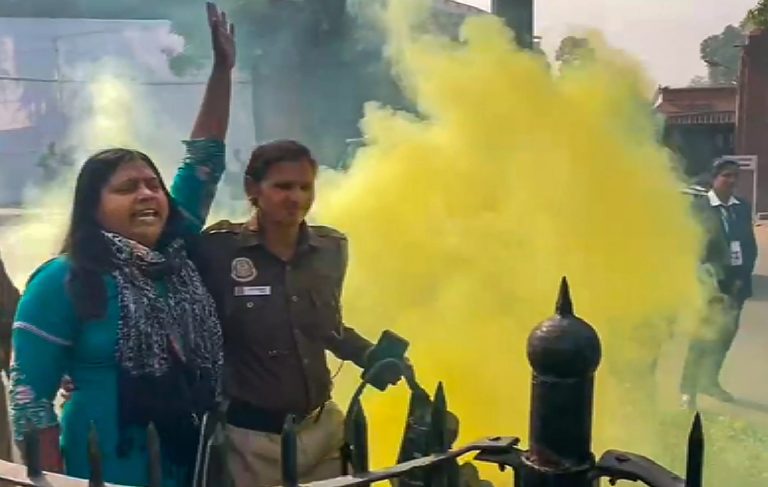
The security breach happened on the anniversary of the 2001 Parliament terror attack. Two people–Sagar Sharma and Manoranjan D–jumped into the Lok Sabha chamber from the public gallery during Zero Hour, released yellow gas from canisters and shouted anti-establishment slogans before being overpowered by the MPs.

Outside it, in another incident, two protestors — Neelam (42) and Amol (25) — protested outside the Parliament with similar gas canisters. However, all four were sent to seven-day custody of Delhi Police Special Cell on Thursday.

Last night, senior police officials, including two Deputy Commissioners of Police (DCP) and Additional Commissioners of Police, interrogated Lalit Jha, during which he narrated the whole incident to officials. According to sources, during interrogation, it came to light that preparations for the security breach were being made months ago. An entry pass was necessary for entry into Parliament; hence, it was not available.

Lalit had asked everyone who could arrange the pass so that they could easily enter Parliament. From a hotel in Rajasthan Lalit was continuously keeping an eye on ongoing developments and police movements through news channels, they said. According to sources, to unearth more details in the case, the Special Cell of Delhi Police has formed six teams that will go to the locations linked with the accused in Lucknow, Mysore, Karnataka, Rajasthan, Maharashtra and Haryana.

The investigation also revealed that two pairs of shoes were made on special order in Lucknow, as the accused discovered that shoes do not get checked in Parliament and this can be an easy way to carry the smoke canister inside the parliament. Meanwhile, Special Cell will recreate the scene of Wednesday’s Parliament security breach by taking the accused to the Parliament complex on Saturday or Sunday, sources said. According to sources, the accused will be taken to Parliament to recreate the scene of the crime. This will help the police find out how the accused entered the Parliament building with colour spray and how they executed their plan, sources from the Special Cell said. 


(This news report is published from a syndicated feed. Except for the headline, the content has not been written or edited by OpIndia staff)

As politicians in Bihar bat for caste census, here is how caste politics took Bihar’s economy to the bottom

Caste-based census data was released in Bihar amid an atmosphere of celebration among the supporters of RJD and JDU, the two main ruling parties of Bihar. It was projected as if the state government had delivered some huge public welfare scheme. But the reality is that it is the caste politics in Bihar took the state’s economy to the bottom.

Bihar has been considered a poor state for decades now. It is one of the ‘bimaru’ (meaning ill) states. The acronym is obtained by joining the initials of backward states in north India including Bihar, Madhya Pradesh, Rajasthan, and Uttar Pradesh. All the development indices in these states would normally be on the lower side.

Between the 1980s and 2020s, there was a time when the economy of Bihar saw a reverse shift from a slowly growing phase to a declining phase before coming back to a nominal positive track. In the 1980s, Odisha was a state poorer than Bihar. And over these four decades, Odisha has maintained steady growth. Today Odisha has outgrown Bihar on economic indices.

According to a report by Shamika Ravi for ‘The Economic Times’, Bihar has consistently held the unfortunate distinction of being the most impoverished among large states in recent decades. However, it is worth noting that historically, this was not the case. In 1991, Odisha was even more economically deprived than Bihar. Hence, it is fitting to examine and juxtapose the experiences of the two most impoverished states, evaluating what has been gained and lost over the past four decades.

In the report authored by Shamika Ravi – a member of the Economic Advisory Council to the Prime Minister – this period of comparative consideration of the two states is divided into three parts viz. 1980 to 1991 (before the economic crisis), 1992 to 2002 (emergence of caste politics, economic reforms and division of states) and post-2002 (growth and development).

Between 1980 and 1991

The report cites that in 1980, Bihar held the title of the poorest large state, with a per capita GDP (at 2015 prices) of ₹12,553, trailing behind Odisha, which recorded ₹17,256—a gap of nearly 37%. However, despite this initial disparity, Bihar exhibited a robust average annual per capita GDP growth rate of 5.1%, outpacing Odisha’s slower growth rate of 1.4%. Consequently, due to Bihar’s significant economic growth throughout the decade, by 1991, its per capita GDP had exceeded that of Odisha, standing at ₹21,282 compared to Odisha’s ₹20,591.

Between 1992 and 2002

Despite Bihar initially having a higher per capita GDP than Odisha, this era marked a significant shift in the fortunes of the two states. The prevalence of caste politics and lawlessness also known as the Jungle Raj triggered an unprecedented reversal in Bihar’s average annual growth rate, plummeting from +5.1% (1980-1991) to -0.6% (1992-2002). In contrast, Odisha doubled its growth rate from 1.4% (1980-1991) to 3% (1992-2002). This divergence resulted in Bihar’s per capita GDP dropping by almost 33%, declining from ₹21,282 in 1991 to ₹14,209 in 2002.

Conversely, Odisha experienced a 31% increase, growing from ₹20,591 in 1991 to ₹26,881 in 2002. Factors such as caste politics, poor governance, and lawlessness pushed Bihar behind Odisha, widening the per capita GDP gap from +3.4% in 1992 to -47% in 2002.

2002 onwards

Bihar’s economic trajectory underwent a notable shift with a transition from caste politics and lawlessness to a renewed focus on agriculture and women’s well-being. In the post-2002 period, Bihar witnessed a remarkable average annual growth rate of 5.6%, propelling its per capita GDP from ₹14,209 in 2002 to ₹37,050 in 2019—an impressive 161% increase.

Concurrently, Odisha experienced a 4.7% average annual growth rate during the same period, leading to a surge in per capita GDP from ₹26,881 in 2002 to ₹86,287 in 2019—a substantial 221% growth. As of 2019, Odisha’s per capita GDP surpassed Bihar’s by 130%.

Numbers in 2023

The per capita Gross Domestic Product (GDP) of Bihar and Odisha as of 2023 is Rs 49470 and Rs 150676 respectively. Odisha’s per capita GDP is thus thrice that of Bihar.

Where did Bihar lag?

Through a counterfactual analysis of per capita GDP, projections were made based on the average annual growth rates achieved by Bihar and Odisha from 1980 to 1991. If Bihar had sustained its growth at the rate of 5.1%, the projected per capita GDP would have been ₹95,313 in 2019—significantly higher by 257% compared to the actual figure of ₹37,050. This stark contrast highlights the true opportunity cost incurred by Bihar due to regressive caste politics during the 1990s. Had Bihar sustained its economic progress from 1980 to 1991, it would have evolved into a markedly different state economically.

In contrast, if Odisha had maintained an annual growth rate of 1.4% (its average rate from 1980-91), the projected per capita GDP would have been ₹29,782 in 2019. This amount represents only 35% of the actual per capita GDP, which stood at ₹86,287 in 2019. This comparison underscores the potential growth that Odisha forewent by not matching the growth trajectory of the 1980-91 period. If Odisha had persisted in its lacklustre economic performance, it would currently hold the undesirable distinction of being the most impoverished state, surpassing Bihar.

Caste politics is the prime reason of Bihar’s misery

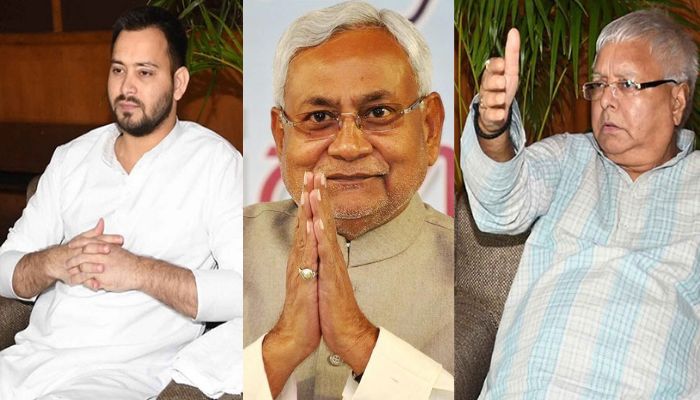
The impact of caste politics and lawlessness on the economy is clear. Bihar’s economic downturn during the 1992-2002 period, characterized by these challenges, led to a significant and lasting decline in prosperity, marked by a substantial drop in per capita GDP. This comparison with Odisha highlights Bihar’s ongoing challenges in fully recovering from the setbacks endured during that tumultuous decade. This decade is when Lalu Prasad Yadav was at the peak of his politics. Rashtriya Janata Dal was bringing together Muslim and Yadav votes to secure power in the state only to turn the democratic administration into a Jungle Raj.

Caste politics is back in Bihar

The recent political shifts in Bihar, veering towards caste politics instead of prioritizing economic growth, stand as a stark reminder of the potential repercussions. Contemplating the 1992-2002 period underscores the enduring costs borne by the weaker sections, women, and socially backward groups. It serves as a poignant reflection on the persisting challenges of caste politics and misgovernance, emphasising that they are enduring problems rather than solutions to economic and social backwardness. Despite numbers suggesting that caste politics has pulled Bihar back for a decade, politicians from Bihar resorted to the caste census in 2023.

Caste census in Bihar

As per data released by the Bihar government, 36.01% of the state’s population is categorised as belonging to the extremely backward class, while 27.12% falls under the backward class. The remaining 15.52% of the population is reported to belong to the unreserved or general category.

It’s important to note that the term ‘Extremely Backward Class’ refers to the EBC community, consisting of 130 castes and sub-castes in Bihar, a categorization that has long been on Nitish Kumar’s agenda. This separate classification aims at mobilizing non-Yadav backward castes, excluding OBC castes like Yadav and Kurmi.

The question arises whether two distinct groups, namely EBC and OBC, will be formed, each with its unique mobilization strategy. The answer to these questions remains uncertain, and only time will provide clarity. However, the possibility of joint fronts comprising various castes emerging against more influential castes within the OBC is a potential outcome, and similar experiments have been conducted in the past, suggesting a potentially accelerated process this time.

If OBC and EBC are amalgamated in Bihar, they collectively constitute 63%. The ‘Caste Census’ report mentions a total of 203 castes, with 196 of them being eligible for reservations.

Conclusion

In summary, Bihar’s economic journey reflects a series of ups and downs, with the state transitioning from being the poorest in the 1980s to a phase of decline in the 1990s marked by caste politics and lawlessness. The post-2002 period saw a revival, focusing on agriculture and women’s well-being. However, recent political shifts back towards caste politics raise concerns about sustained economic growth. The 2023 caste census introduces additional complexities, posing questions about potential social divisions. The future implications remain uncertain, and only time will unveil Bihar’s intricate interplay between caste dynamics, politics, and economic development.

India and Oman exploring Rupee trade between the two countries, utilising UPI stack in Oman’s digital economy: Foreign Secretary

Foreign Secretary Vinay Kwatra on Saturday said that discussions are underway between India and Oman about utilising the UPI stack, adding that talks on the possibility of Rupee trade which is an “important element of cooperation,’ is still at the “exploratory stage”.

Kwatra’s remarks came while addressing a special briefing at the Ministry of External Affairs on the State Visit of the Sultan of Oman, Haitham bin Tarik, to India.

“Another element of discussion where we would try to move forward is the possibility of Rupee trade which can work between the two countries but this is still at an exploratory stage but can be an important element of cooperation going forward,” Kwatra said while responding to ANI question.

On talks of digital payment cooperation between Oman and India, the Foreign Secretary said both sides discussed utilising the UPI stack with the potential corresponding digital stack in the Omanis ecosystem.

“There are also other elements of the Indian stack in terms of the digital infrastructure that can be suitable to Omanis priorities with regard to using now financial inclusion and financial technology payment systems; those are only one element of it but the interface of the UPI with a corresponding Oman platform is something we can talk about,” he added.

Kwatra also talked about the Comprehensive Economic Partnership Agreement (CEPA) and mentioned that the negotiations have started recently, which have made substantial progress in the last few rounds of discussion and both leaders gave strong impetus to conclude it as early as possible.

“An area that featured very prominently in the discussions between the two leaders was ongoing discussions between the two countries for a Comprehensive Economic Partnership Agreement. Although the negotiations on CEPA have started only recently, they have made substantial progress in the last few rounds of discussion and both leaders gave strong impetus and push to conclude the CEPA Agreement as early as possible,” Kwatra said.

Briefing further on the Sultan of Oman’s maiden visit to India, Kwatra said, “This is the first visit of Sultan of Oman to India. This is also the first state visit from Oman to India in the last 26 years. Some of you would recall that the late His Majesty Sultan Qaboos bin Said visited India in 1997 and he was also awarded the Gandhi Peace Prize for 2019 posthumously.”

The visit gained added importance due to the recent exchanges between the two nations, including Prime Minister Modi’s visit to the Sultanate of Oman in February 2018.

Kwatra underscored the significance of Oman’s successful participation as a special guest country in the G20 during India’s presidency, particularly at the G20 summit in September.

“Most recently in our exchanges over the last few years. PM Modi visited the Sultanate of Oman in February 2018. The visit by His Majesty is also important as it follows Oman’s very successful participation as a special guest country in the G20 during the India Presidency and their participation, particularly at the summit of the G20 in September this year,” said the Foreign Secretary.

Kwatra also highlighted the strategic partnership between India and Oman, which is rooted in a long history of cultural ties and has evolved into a comprehensive collaboration spanning political, security, defence, trade, economic, cultural, and people-to-people relations. “India shares a special relationship with Oman anchored in an old history of contacts between our people today,” he said.

Notably, India and Oman are key partners in maritime security in the Western Indian Ocean, reflecting the depth of their cooperation.

“Our relationship has turned into a strategic partnership characterised by strong cooperation across a range of areas in diverse fields. India and Oman are partners for maritime security in the Western Indian Ocean. Both sides enjoy robust and multi-dimensional defence engagement,” the Foreign Secretary added.

Kwatra acknowledged the strong bond shared by the two nations and the special role played by the Indian diaspora in Oman, numbering around seven million individuals who have significantly contributed to the development of Oman’s economy.

“Oman is also home to a large Indian diaspora. About seven Indians called Oman their home and, in the process, made significant and meaningful contributions to the development of the Omanis economy,” he also said.

Earlier in the day, Prime Minister Narendra Modi held delegation-level talks with the Sultan of Oman, Haitham bin Tarik, at Hyderabad House in New Delhi.

“Transforming India-Oman ties! PM @narendramodi held productive discussions with His Majesty Sultan Haitham bin Tarik of Oman. The leaders reviewed bilateral relationship covering the areas of political, security, defence, trade, economic, cultural and people to people ties. They also exchanged perspectives on regional and international issues,” posted MEA spokersperson Arindam Bagchi on X, following their meeting.

The two leaders adopted a new ‘India-Oman joint vision, a partnership for the future’ under which both countries will work in ten different areas.

The Sultan of Oman was also accorded a ceremonial reception at the forecourt of Rashtrapati Bhavan in New Delhi on Saturday, the second day of his state visit to India.

The Sultan was received by Union Minister of State (MoS) for External Affairs, V Muraleedharan, as he arrived at the Delhi airport on Friday for a three-day state visit.


(This news report is published from a syndicated feed. Except for the headline, the content has not been written or edited by OpIndia staff)

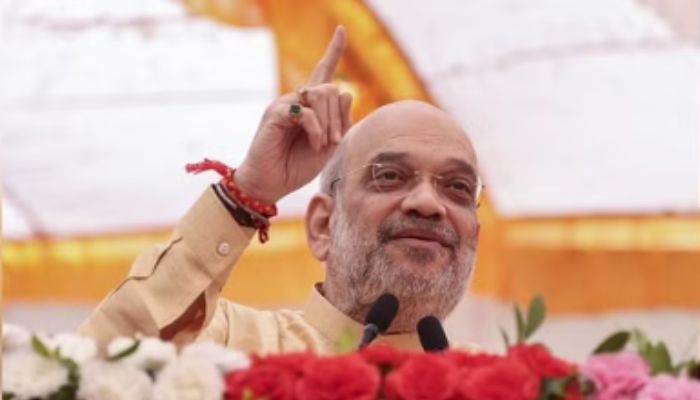
‘PM Modi taught rioters such a lesson in 2002, no one dares to cause riots in Gujarat’: Amit Shah lists PM Modi’s achievements at ‘Viksit Bharat Sankalp Yatra’

On 16th December (Saturday), Union Home Minister Amit Shah asserted that Prime Minister Narendra Modi taught such a lesson to rioters in Gujarat in 2002 that no one has dared to cause riots again in the state to date. He made the remarks while addressing the Viksit Bharat Sankalp Yatra in Sanand, Gujarat’s Ahmedabad district. 

Addressing the gathering in Gujarati, Home Minister Shah said, “In 2002, there were riots and thereafter Modi saheb taught a lesson to not repeat the act. Have there been riots thereafter? The rioters were taught such a lesson in 2002 that to date no one dares to cause riots in Gujarat.”

He also listed out the major achievements of the Modi government in the last nine-and-a-half years and credited the Prime Minister for abrogating Article 370 “in a jiffy”. He lauded PM Modi for improving the safety of the country and highlighted the recurrent bomb blasts across the country before 2014. 

Shah also highlighted the construction of Bhavya Ram Mandir which was otherwise housed in a ‘tent’. 

He added, “PM Narendra Modi worked to secure India by carrying out surgical strikes on Pakistan, realised the incomplete dream of abrogation of Article 370, undertook the work of constructing Lord Ram temple in Ayodhya, took India to the Moon through Chandrayaan mission, improved economic parameters to their best since independence, and led to the highest industrial development since independence.” 

Shah further noted, “Earlier, every day, we would have bomb blasts, print journalists would forget to print, and there would be so many blasts with no end to it. But with a surgical and air strike once, we taught Pakistan a lesson…Narendrabhai has made the country safer.”

The Home Minister asserted, “The entire world reached the Moon but our flag could not. Narendrabhai sent Chandrayaan to the Moon and at Shivshakti point made our tricolour fly high. He has worked such that in the country’s economy, all parameters have been at their best in the past 75 years. If one takes 10-year intervals, industrial development has been the most during Narendrabhai’s tenure.” 

However, Shah argued that improving the quality of life of 60 crore poor people in the country has been the biggest achievement of the Narendra Modi government.

“Several times, journalists ask me as to which of Narendra Modi’s achievements will get my highest marks. I say this without any controversy, confusion or dilemma that if I have to give the highest marks, then it will be Modi’s work to improve the quality of life of 60 crore poor,” he was quoted saying by The New Indian Express.

Meanwhile, during the Sanand gram panchayat event, Shah also urged people to take a pledge to transform India into a developed country by 2047 while eradicating the “slavery mentality from its root”.