

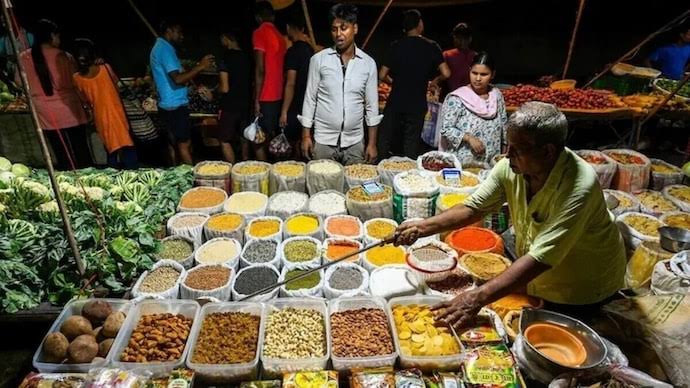
India’s retail inflation surged to 6.09% in October 2026, breaching the Reserve Bank of India’s (RBI) upper tolerance limit for the first time in two years, as soaring food prices pushed up the cost of living. The latest Consumer Price Index (CPI) data, released by the Ministry of Statistics and Programme Implementation, marks a sharp increase from the 5.54% inflation recorded in September.
The biggest concern is the acceleration in food inflation, which climbed to 8.94% in October, compared to 7.74% in the preceding month. The sharp increase reflects mounting price pressures in essential commodities, with several food items recording exceptionally high inflation.
Onions emerged as the biggest contributor to the price surge, registering an extraordinary inflation rate of 116.22%. Garlic followed at 60.74%, while ginger prices rose by 48.32%. Lemon prices increased by 47.30%. Silver jewellery also featured among the five items with the highest inflation, recording a rise of 52.39%.
The breach is significant because the RBI is mandated to maintain retail inflation within a tolerance band of 2% to 6%. October 2026 is the first time since October 2024 that inflation has crossed the upper threshold. Retail inflation had stood at 6.25% in October 2024.
The latest figures could complicate the RBI’s monetary policy decisions, particularly with the next meeting of its Monetary Policy Committee scheduled between December 2 and 4. Inflation remains a key consideration for the central bank as it determines the appropriate course for interest rates.
The development also comes after the RBI raised its benchmark policy rate by 0.25 percentage points to 5.50% in October. The increase marked its first rate hike in nearly four years, with the central bank signalling concerns over the inflation outlook, a weakening rupee and elevated crude oil prices.
With food inflation gathering pace and headline inflation moving beyond the RBI’s prescribed ceiling, the central bank faces a difficult balancing act. Any further tightening of monetary policy could make borrowing more expensive for households and businesses, while allowing inflation to remain elevated risks putting additional pressure on household budgets.
The December policy review will therefore be closely watched for signals on how the RBI intends to tackle renewed inflationary pressures.
