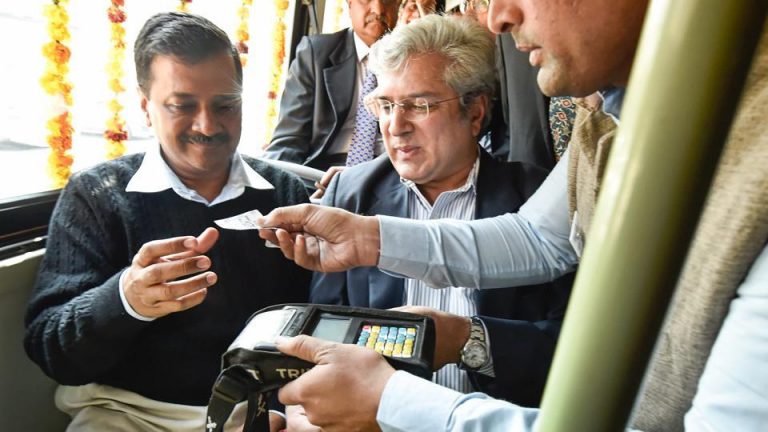
After losing the Lok Sabha elections badly, the Aam Aadmi Party seems to have taken a break from attacking BJP and PM Modi, and gone back to populism. In an effort to repeat its electoral success in 2915 on the back of promises of free power and water, the Delhi government today announced free travel for women in the city-state.
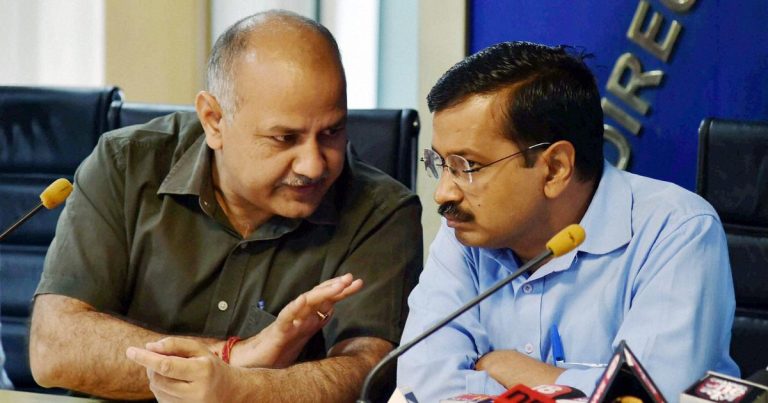
Addressing media, Delhi chime minister Arvind Kejriwal announced that women be allowed to travel free of cost in all DTC (Delhi Transport Corporation) buses, Cluster buses and metro trains in Delhi. He said that this has been to ensure that women can have safe travel experience, and access mores of transport which they were not able to do so due to high prices.
Delhi CM Arvind Kejriwal: On all DTC buses, cluster buses and metro trains women will be allowed to travel free of cost so that they have a safe travel experience and can access modes of transport which they were not able to, due to high prices. pic.twitter.com/KVqEWDIJAS
Arvind Kejriwal added no subsidy will be imposed on anyone for this scheme, and added that those women who can afford to pay, they can purchase the tickets. Taking a leaf out of PM Modi’s give it up scheme for LPG subsidies, he said that Delhi govt will encourage those who can afford to not avail this scheme so that others can benefit.
Delhi CM: Initially we’d told Centre not to increase prices of tickets, they didn’t agree. We told them we’ve 50-50 partnership, let’s give 50-50 subsidy on raised prices, they didn’t agree. Delhi govt will bear the fare of what we’re going to do.We needn’t take approval for this pic.twitter.com/4nlPbkUf9k
The Delhi CM that they will not require to take approval from anyone to implement this scheme. He said that Delhi govt will bear the cost of the subsidy, as the centre didn’t agree to his proposal to not increase prices of metro tickets, or to give 50% subsidy on raised ticket prices. The Delhi Metro Corporation is jointly owned by Union Government and Delhi Government with 50% share each. As Delhi govt is paying the subsidy, it will not permission from others for the scheme, Kejriwal claimed.
Although Arvind Kejriwal announced the scheme, he did not reveal the modalities of the same, how it will be implemented. As it is a segregated scheme targeted only towards women, and Delhi govt will be paying subsidies to the respective transport operators for women travelling on their services for free, it will require a dedicated infrastructure and system. The number of women travelling free will need to be documented, and it has to be ensured that the operators are not inflating the numbers. Also, some sort of system will be required to ensure that only genuine women avail this subsidy. It is not clear whether the Delhi govt will appoint dedicated manpower for these purposes.
The Delhi CM said that he has given one week time to officials to prepare a detailed proposal for both DTC and Metro. He said that the government is aiming to start this scheme within 2-3 months.
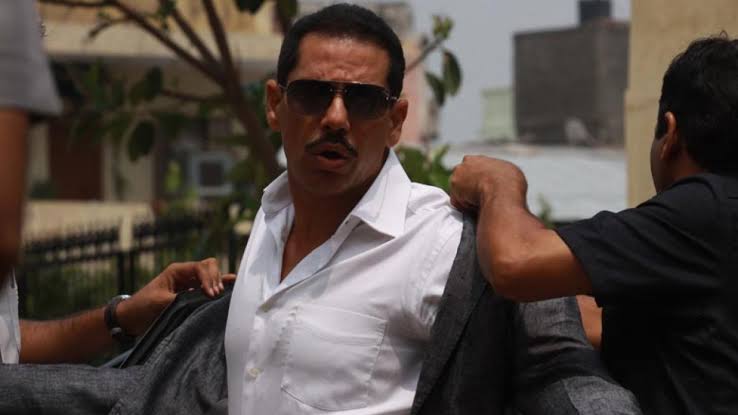
Embroiled in money laundering cases and allegations of ownership of undisclosed properties abroad, particularly in London, the courts have permitted Congress president Rahul Gandhi’s brother-in-law and Priyanka Gandhi’s husband, Robert Vadra to travel abroad for medical treatment. However, the court has maintained that Robert Vadra cannot travel to London for the treatment.
Robert Vadra has been allowed by Court to travel to USA and Netherlands but he can’t travel to London. Vadra withdrew his travel request to London. Court has said in case any look out circular is issued, it will remain suspended during this period. https://t.co/rSydMErnI5
Under scanner by Enforcement Directorate for his alleged involvement in money laundering cases, Robert Vadra had earlier applied to Delhi’s Rouse Avenue Court seeking permission to fly to London. Vadra had reportedly submitted a medical certificate to the court stating that he has a tumour in his large intestine and he needs to go to London for treatment.
The Delhi court has allowed Vadra to travel abroad for six weeks for treatment of an illness. The court told Mr Vadra to give his travel schedule and to return to India before the deadline. Vadra has been permitted to go to the US and the Netherlands, but not to Britain. KTS Tulsi, the counsel representing Robert Vadra said that the businessman will not go to London if the Enforcement Directorate, which is probing the alleged money laundering case against him, had an objection on his visit to Britain.
Representing the Enforcement Directorate, Solicitor Gen Tushar Mehta and advocate Nitesh Rana had opposed Vadra’s petition in which he had asked permission to travel to the UK and other countries citing health reasons.
Vadra is under investigation in several cases by probing agencies, which includes money laundering and illegal land deal cases. According to ED, the money laundering case involves payment of Rs 300 crore in a defence deal and USD 10 million received in a petroleum deal. A 1.9 million GBP London based property allegedly owned by Vadra is also a subject of the probe.
Earlier, the ED had sought custodial interrogation of Robert Vadra citing that he is not complying with the investigative agencies in its probe and providing evasive answers to their questions.
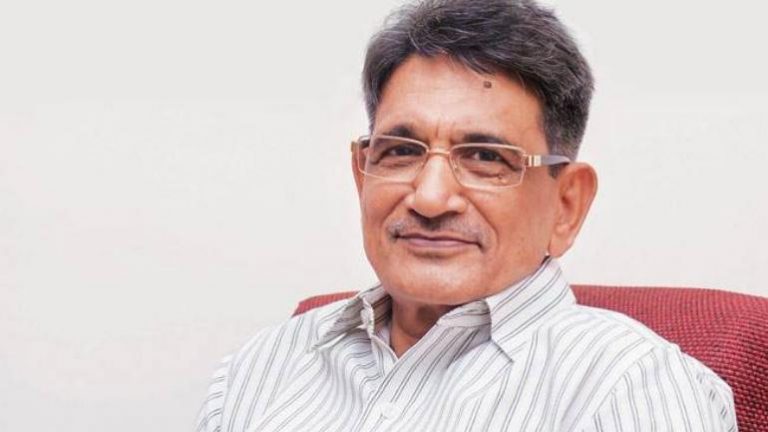
Former Chief Justice RM Lodha has recently become the victim of an online scam where he got cheated of Rs 1 Lakh. He had sent the money to a friend who’s email account got hacked on April 19. He had registered a complaint on Sunday.
Chief Justice (retd) RM Lodha, a resident of south Delhi’s Panchsheel Park, filed a complaint at the office of Assistant Commissioner of Police EOW and Cyber Cell in Malviya Nagar police station.
In his complaint, Chief Justice (retd) Lodha said that he used to regularly communicate with his friend and colleague, Justice (retd) B.P. Singh. However, Justice (retd) Singh’s email account got hacked on April 18-19.
“I, on April 19, received a mail from the email ID of B.P. Singh that he required the immediate help of Rs 1 lakh for the treatment of his cousin brother as he (Singh) is unavailable over the phone. I immediately deposited Rs 1 lakh online in two transactions at the given account number,” he said.
Justice (retd) Singh was only able to regain control of his account on May 30, following which he had sent an email to all his contacts informing them that his account had been hacked and inaccessible.
A police officer said, “On the suggestion of Singh, Lodha approached the Delhi Police and filed a complaint. We have registered a case under various sections of the IPC including cheating and the IT Act. A probe is on to identify the accused hacker”.
Yesterday, Abhay Meena a fake IPS officer, who gives motivational speeches to youngsters to take up challenges in life, got exposed when the Special Operations Group (SOG) of Rajasthan police burst his bubble and nabbed him for extorting money from unsuspecting people.
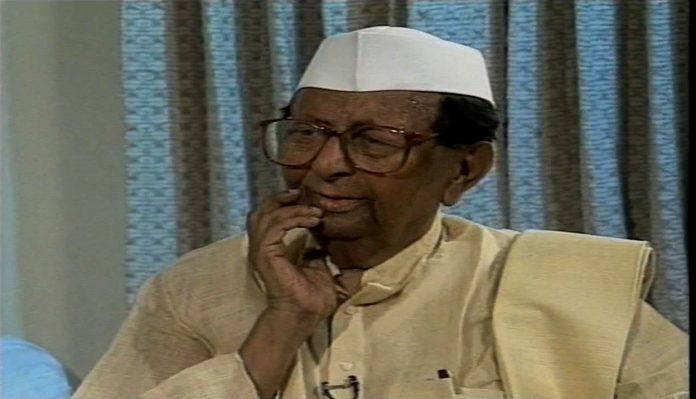
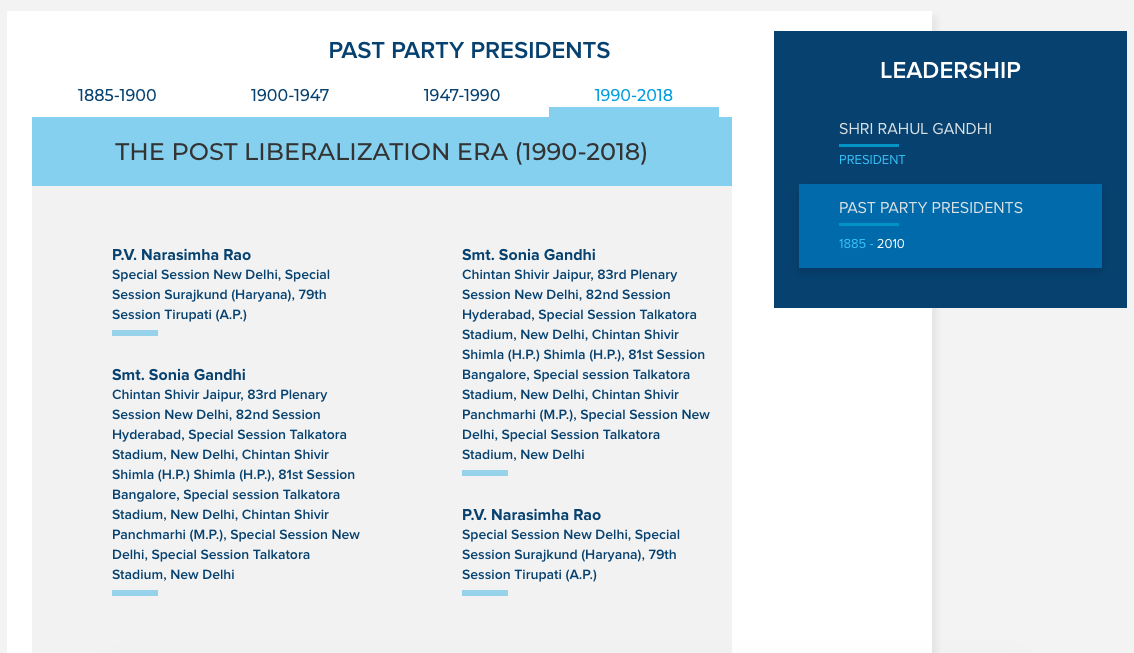
Sitaram Kesri who served as Congress’ party president from 1996 to 1998 after which he was unceremoniously removed to make way for Sonia Gandhi, has not found space on the party’s official website as well.
In December 1997 Sonia Gandhi joined Congress formally and addressed her first election rally in Tamil Nadu. Soon, Sitaram Kesri, who was the Congress party president, was being forced to step down to make way for Sonia Gandhi to become the party president. At 82, Kesri wanted to stick around as party president a little longer.
On March 14, 1998, Congress Working Committee decided to ask Kesri to step down so Sonia could take over. He was reportedly locked up in the bathroom at Congress headquarters in Akbar Road so he could not stop Sonia from entering the office with her supporters to take over as party president.
And now, Congress’ official website has not even bothered to include him as one of the former party presidents.
List of Congress Presidents on its official website
Earlier we had reported how Congress website had put up incorrect information that former Prime Minister Rajiv Gandhi was in office when he was assassinated in 1991. They have mentioned this incorrect information not once, but twice, in the biography of Rahul Gandhi.
While Congress has corrected that portion on their website, name of Sitaram Kesri as party president is still missing.
Amidst a debate between individual liberty and the basic etiquettes to be followed at the official places, the Tamil Nadu government seems to have favoured the latter as it has issued a diktat advising employees in the Secretariat to avoid casual attire while on duty, reports ANI.
According to the reports, the State government made an amendment to the ‘Secretariat Office Manual’ notifying employees on May 28 to avoid casual attire. The new order advises the government employees to wear “Neat, clean, formal attire that is appropriate to the workplace setting so as to maintain the decorum of the office while on duty.
“While in duty, saree/salwar kameez/Chudidaar with dupatta for females staff and shirts with formal pants/Veshti (Dhoti) reflecting Tamil culture or any Indian traditional dress, for male staff”, stated the order issued by the Chief Secretary.
The order has also put forth certain diktats for the government officials who attend courts. The order says that officials appearing before a court or tribunal or any other judicial body, should wear a full-sleeved short buttoned-up coat and trousers and if he prefers, an open coat. A female officer should wear a sari or salwar kameez or Chudidhar with a dupatta of a sober colour, it added.
“He should invariably put on a tie and the dress should be sober and subdued in colour and design.”
The Tamil Nadu government has amended an earlier order of the Secretariat Office Manual which read, “Government servants are not bound by any restrictions in the matter of dress and are at perfect liberty to wear, while on duty, whatever dress they like, provided it is in conformity with the ideas of decency current in society.”
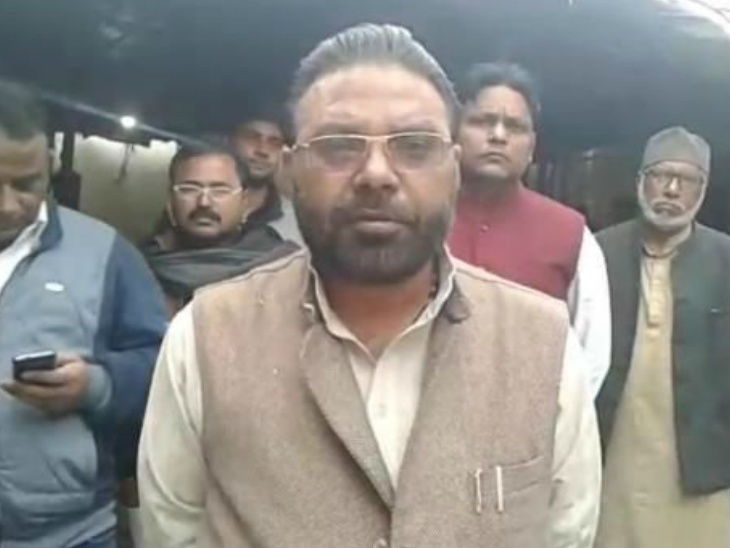
Manoj Kumar Paras, a sitting MLA from Samajwadi Party in Uttar Pradesh’s Bijnor has been sent to jail by a special court on Saturday. As per reports, Paras was one of the four main accused in a rape case from 2007.
A Dalit woman had lodged a case against Paras and his associates in June 2007, alleging that they had raped her on the pretext of granting her a shop under the government’s quota.
Reports say that Paras and his friends named Jaipal, Assu and Kunwar Saini had been lodged in jail after they had surrendered in court. But Paras had neither applied for bail nor had appeared in court in person.
As per reports, the Allahabad High Court had recently rejected Paras’ plea to close the case filed against him 12 years ago.
In 2007, after the case was registered, a non-bailable warrant was issued against Paras as per orders by the judicial magistrate of Bijnor. But Paras had managed to obtain a stay order from the High Court.
In 2011, a charge sheet was also submitted by the police but it was dismissed at the local court under the ground that ‘proper procedure was not followed’. Paras had become an MLA in an SP ticket and became a minister in Akhilesh Yadav’s government in 2012. Soon after, a revised charge sheet was submitted.
After the UP government passed an order to transfer all cases against MPs and MLAs to special courts in 2017, Paras’ case was transferred from the local court. The special court will hear his bail plea on June 4.
After a brief silence following the drubbing in Lok Sabha polls, Arvind Kejriwal’s Twitter account is brimming with activity. For a change, he is not tweeting conspiracy theories(though I prefer them as they are more entertaining and less harmful). He has been busy advertising and accepting praise for forcing private schools to refund what his government deems as an extra fee. A few people posted images of messages that they had received from their respective schools notifying the refund. He regards it as a glorious achievement of his government’s honest work.
Nobody can dispute the Delhi Government’s focus on education. After all their whole Lok Sabha poll campaign was built on AAP revolutionizing education in Delhi. A minor detail, though, is whether the revolutionary focus has been on improving it or destroying it. Let this piece be a guide to answer that.
Ever since the AAP came to power in Delhi, besides glorifying their own work in government schools, the one thing they have been constantly doing is to demonize private schools. Though every government does this at some level, what stands out with the AAP is that they revel in it.
Education, as everyone knows, is an extremely regulated sector. So it is an exceptionally difficult task to set up and run a school. Now, what happens when you choke the supply but the demand continues to increases at a natural pace? The prices go up. This is what parents experience when they shell out fees for their wards. But parents don’t need to know the economics behind it, all they seek is a relief from paying huge sums. And this is the space where AAP thrives. Instead of contemplating ways to ease regulatory barriers and improve the supply, they play hero and beat private schools into submission. They arm-twist them to not hike fees, harass them in the name of audits, compliance and what not.
The populism doesn’t end with pleasing parents; there is 2 lakh working staff in private schools to gratify. So they ordered private schools to implement 7th pay commission recommendations, which entails increasing salaries by around 23% with effect from Jan 2016. The sinister part comes now. The AAP government won’t allow schools to increase the fees. Manish Sisodia argues that schools have enough reserves to comply with 7th CPC recommendation and that they don’t need to hike school fees. Schools which feel the need to hike should undergo an audit, he says.
The recent ‘extra fee refund achievement’ was a result of one such audit.
A week before Delhi went to Lok Sabha polls, Sisodia addressed a press conference to detail about a school audit. He said that the school had illegally extorted fees of over 2 crores and that a refund was sought. In a bid to justify the act, he levelled a series of accusations against the school. One that caught the ear was the charge that the school had spent 60 lakhs in publicity. A private school spending its own money for their own growth riled them up, while in its first year, the AAP government spent Rs 29 crores of Delhi’s taxpayers’ money in advertisements *outside* Delhi. I don’t understand why CAG didn’t seek a refund. He was also miffed about the fact that the school’s housekeeping expenditure was inflated. Inflated or not it is the school’s money, but the AAP government should be the last to complain, for they spent one crore taxpayers money on chai/samosa in 18 months.
So what does all this ‘education revolution’ result in?
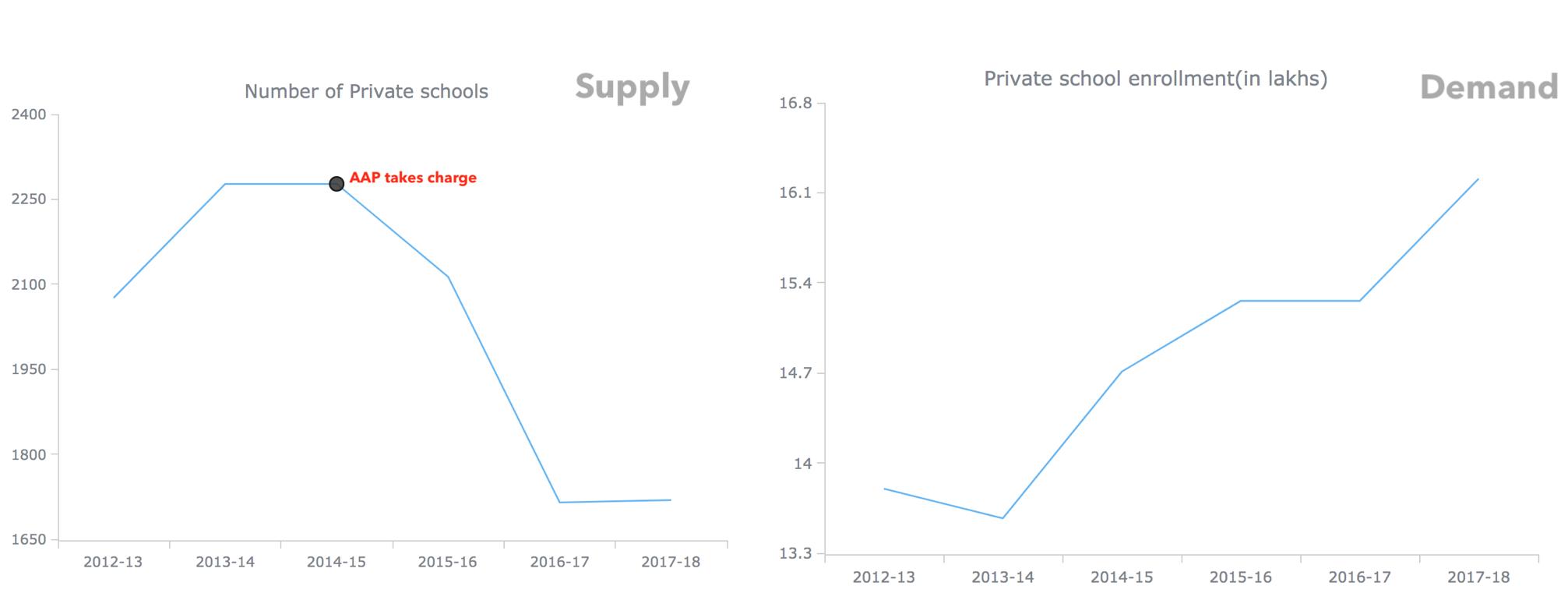
Delhi loses about 25% of private schools during AAP’s tenure, choking the supply even further. In the same period, the demand has increased, enrollment to private schools has gone up by 10%. One more term of AAP’s ‘education revolution’ and private schools could be completely wiped out.
Suppy of private schools over the years vs demand
Let us now talk a bit about government schools. The first thing that any AAP supporter boasts about is the fact that Delhi has continuously been investing the highest share of its budget in the education sector among all states. Nobody can deny this fact. However, let us see what it reveals if we perform an audit on the expenditure à la audits Manish Sisodia does on private schools.
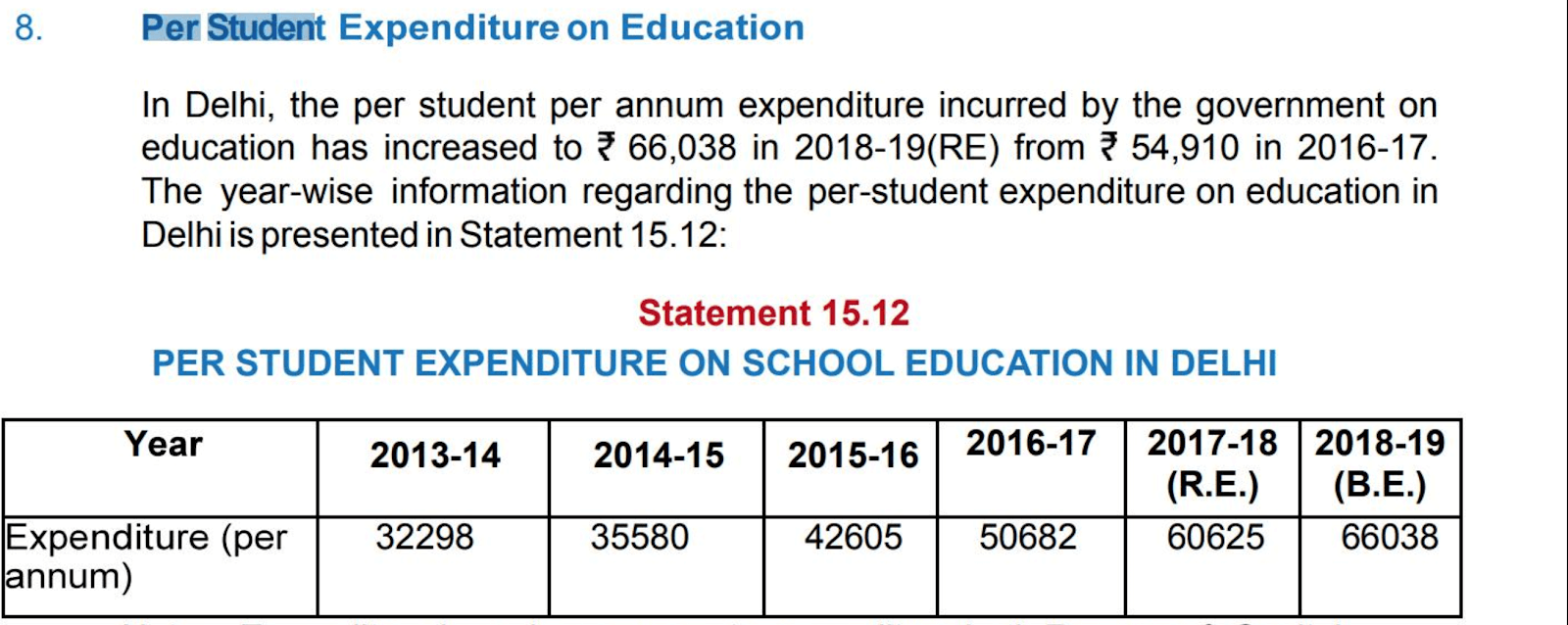
For the year 2018-19, Delhi allocated around Rs 14,000 crores to education. As per their economic survey report, that figure translates to an expenditure of whooping Rs 66,000 per student per annum. What is the significance of this number? It is essentially the fee the Delhi taxpayer is paying to enrol one student in a government school. Yes, you heard it right. The Delhi Government is charging Rs 66000 in fee from you to admit one student in a government school. They intelligently conceal the fact by calling it ‘government spending’. As Frederick Bastiat says, “Everyone wants to live at the expense of the state. They forget that the state lives at the expense of everyone.”
“Per student Expenditure on Education” by Delhi Government
To understand this 66,000 number, we need to know the average private school fee in Delhi. This, for all intents and purposes, is the amount the Delhi government reimburses to private schools for enrolling one EWS student(RTE mandated). As per 2017-18 order [pdf], the amount is around Rs 28,000, which is Rs 38,000 less than what the government is charging for enrolling a student in public school.
Here, we are not even comparing the quality, facilities or outcomes between private and public schools(which is a no contest in favour of private schools), just the fee. So the Delhi government should explain why they are extorting Rs 38,000 more in fee from the exchequer. With around 15 Lakhs student enrolled in government schools, a back of the envelope calculation gives us that it amounts to Rs 5,700 crores inflated spending. Perhaps CAG should take note and demand a refund to the exchequer the ‘extra tax’ levied by the Delhi Government. Also, going forward the government should quit the business of running schools and hand them over to private management as the former is clearly inefficient.
So this is the story of AAP’s education revolution. Mercilessly killing private schools, therefore eliminating the choice for the public, and increasing the burden on the taxpayer in the name of improving public schools. It is easy to get excited reading media reports about increased spending and focus on education but it takes effort to evaluate what it means.
“If you desire better education and healthcare, vote us; if you want riots, go with the rest,” Kejriwal says in a video posted by official Aam Aadmi Party(AAP) twitter account.
In the absence of a definitive framework to measure performance, rhetoric fills in the void.
(All the numbers in the article are sourced from the Delhi Government’s economic survey report. [pdf])
On the eve of their second match of the tournament, Pakistani bowling coach believes that the bowlers have the ability and skill to stop English batsmen from scoring 400 plus runs at Trent Bridge.
England and Pakistan will play their second match of the World Cup on the strip which has produced two world record totals in the last three years.
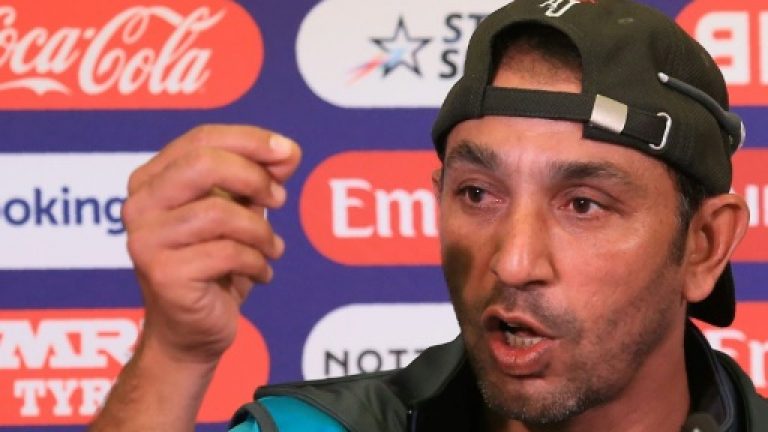
Talking to media, the former Pakistani all-rounder Azhar Mahmood said, “We know we have the ability, they have the skill, and they are the best batting line-up.”
“But a lot of it going on, the 480 pitch has been a world record pitch, but they have to play 300 balls to get to that record, but we have to bowl 10 good balls to get 10 wickets.”
“So we have the ability, we have the skills to do that, and hopefully we can do it tomorrow,” says Mahmood.
Azhar Mahmood explained why Pakistan’s win wouldn’t be a World Cup upset, “It’s not upset. We can beat them. If you see the one-day series, we were not that far from England. They scored 1430-odd runs; we scored 1370 runs, so we were 70 runs short.”
Pakistan has lost 12 games in a trot, and their performance in their first match has put a lot of questions on the team’s capability.
English captain Eoin Morgan, who is riding high on confidence after their victory against South Africa, is expecting fierce competition from Pakistan.
He said that the team is not taking Pakistan lightly as they can make a comeback anytime.
“We prepare for Pakistan at their best. Two years ago they were the best side in the world in the Champions Trophy. They turned us over, and they turned India over. We’ll be preparing as best we can for their A game,” said Morgan.
When asked if they are looking to beat the record of the highest total (481) in ODI, Morgan said, “To get anywhere near 481 you have to play unbelievably well. It starts with the very basics of getting ourselves into an innings. You always start at 0. And this pitch may be a bit different. It looks as if it may be a bit two-paced and with steeper bounce.”
The forecast is for a cloudy but dry day in Nottingham. No chances of rain expected.
The host and the favourites will be playing their second match on Monday. ICC certainly screwed the world cup fixture, as a host England should have got the opportunity to play on weekends.
England won the first match comfortably, though at one time it looked like they posted just an average score. They will be playing against Pakistan at Trent Bridge, where they have scored the highest ODI total.
Their batting and bowling both clicked in the last match and they would like to repeat their performance against Pakistan. The pitch to be used for the game is the same pitch on which England scored 481 against Australia in 2018. But in the last match at Trent Bridge, Pakistan was bowled out for just 105. Still, the home crowd will be expecting another run feast.
The things are not looking good for Pakistan. They have lost 12 straight games (completed) now, and their performance in the last match was the worst among all. Pakistan was bowled out for just 105, their second-lowest World Cup total.
The batting, which was clicking in the ODI series against England, ditched them the most against West Indies. Their bowling is still a worry, though a 10:30 start in this World Cup helped the bowlers early on.
Players to watch out
Jofra Archer, the player to watch out in this World Cup, performed exceptionally well in the opening game. His extra pace surprised Proteas and will surely surprise the Pakistanis. They had lost so many wickets to short balls against West Indies, and Archer must be licking his lips to bowl them.
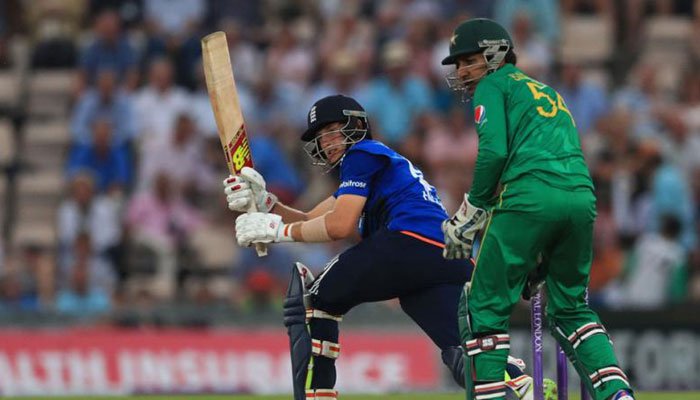
Fakhar Zaman looked in good touch before being dismissed for 22. On this batting strip of Trent Bridge, Pakistan would be hoping him to score big this time. If he plays well, there are high chances of Pakistan to score big. He has also scored a hundred (at Southampton) in recent concluded ODI series.
England v Pakistan in ODIs
Overall: Matches 87, England Won 53, Pakistan Won 31, No Result 3
World Cup: Matches 9, England Won 4, Pakistan Won 4, No Result
Recent Form (most recent first): England W W W W W, Pakistan L L L L L
ICC Rankings: England (1), Pakistan (6)
Upcoming Records
Jason Roy has scored 2,992 runs and needs eight more to become the seventeenth England player to reach the 3,000 runs milestone.
Shadab Hasan has taken 47 wickets and needs three more to achieve the 50 wickets milestone.
Shoaib Malik has taken 96 catches and needs four more to reach the 100 catches milestone.
Squads
England: Eoin Morgan (capt), Moeen Ali, Jofra Archer, Jonny Bairstow (wk), Jos Buttler (wk), Tom Curran, Liam Dawson, Liam Plunkett, Adil Rashid, Joe Root, Jason Roy, Ben Stokes, James Vince, Chris Woakes, Mark Wood.
Pakistan: Sarfaraz Ahmed (capt & wk), Asif Ali, Babar Azam, Fakhar Zaman, Haris Sohail, Hasan Ali, Imad Wasim, Imam-ul-Haq, Mohammad Amir, Mohammad Hafeez, Mohammad Hasnain, Shadab Khan, Shaheen Afridi, Shoaib Malik, Wahab Riaz.
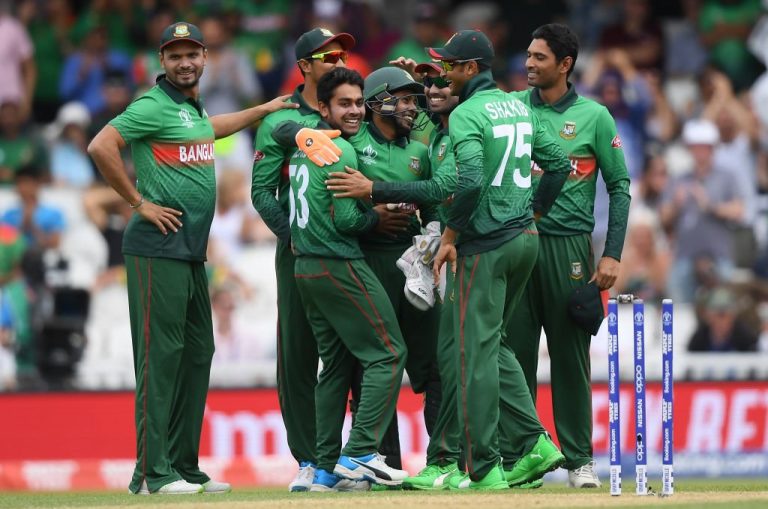
The first upset of the World Cup just happened. Bangladesh has won its opening game against the mighty South Africans. From batting to bowling, Bangladesh dominated South Africa in all departments.
Let’s look at the numbers now
1 – This is the first time South Africa has lost its first two games of the World Cup.
2 – This was only the second time in the World Cup in which Bangladesh managed to cross the score of 300.
5 – Shakib Al Hasan becomes the fifth all-rounder in ODIs with 5000 runs and 250 wickets. The other four players are – Sanath Jayasuriya, Jacques Kallis, Shahid Afridi, and Abdul Razzaq.
12 – Bangladesh has won its 12th match of the World Cup. Now they have won twice against South Africa, England, and Scotland in the World Cup.
19 – Shakib Al Hasan won his 19th Man of the Match award, the most by any Bangladeshi player. Tamim Iqbal has won it 14 times while Mashrafe Mortaza has won it 12 times.
142 – The partnership between Shakib Al Hasan and Mushfiqur Rahim is the highest for Bangladesh in the World Cup. The previous best was 141 between Mushfiqur and Mahmudullah against England in Adelaide, 2015.
199 – The number of matches Shakib Al Hasan took to reach the milestone of 250 wickets and 5000 runs in ODIs. He is the fastest all-rounder to achieve this, second best is Abdul Razzaq who took 258 matches to reach the milestone.
250 – Shakib took his 250th ODI wicket when dismissed Markram. He is only the second Bangladeshi to achieve this milestone and only the 9th spinner.
328 – Ireland chased down 328 against England in 2011, is still the highest successful chase. South Africa’s record is 297 which they achieved against India in 2019.
330 – Bangladesh posted their highest ODI total. Their previous highest total in ODI was 329 for 6 against Pakistan at Dhaka in 2015