PM Modi visited the ongoing Kumbh at Prayagraj. At Kumbh, he participated in the Swachh Kumbh Swachh Aabhaar event, organized by Ministry of Drinking Water and Sanitation. The Prime Minister distributed the Swachh Kumbh Swachh Aabhaar awards to ‘Safai karmacharis’ (sanitation employees), ‘swachhagrahis’, police personnel and boatmen.
Prime Minister Narendra Modi was in Prayagraj to formally launch the implementation of Rs.75,000-crore Pradhan Mantri Kisan Samman Nidhi (PM-KISAN) scheme and to distribute the first instalment of Rs 2,000 to over one crore farmers at Prayagraj, Uttar Pradesh.
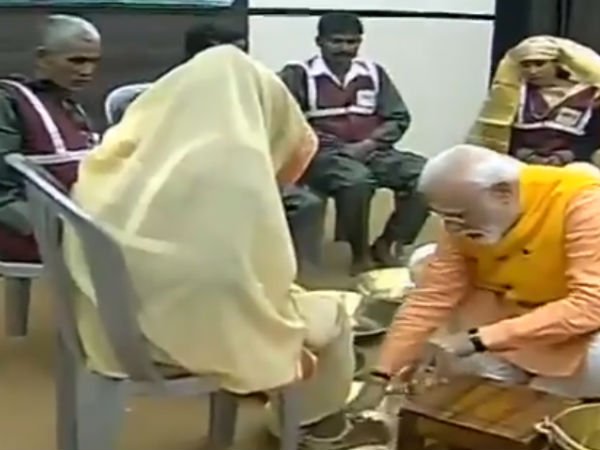
In Prayagraj, Prime Minister Modi also washed the feet of sanitation workers.
This hearening gesture was widely appreciated by many on Social Media.
PM Modi washes feet of sanitation workers in Prayagraj: he has set an example. Mother Bharati, we may not be worthy enough to have this great soul as our PM again. But You deserve him to guard the Dharma and nation. Make him PM again. https://t.co/7qsg5OyhRy
PM Modi washing feet of sanitation workers in #Prayagraj.
These workers hv done the godly work of keeping the Kumbh clean & healthy, despite crores of people visiting the venue over months now. They deserve our respect & PM is showing everyone how we all should treat them. pic.twitter.com/rsgAhXMEJr
While a section of Congress media and despicable journalists attempt to instigate people by dividing martyrs into their respective castes, PM Modi unites factions by washing the feet of Swacch workers. Powerful message pic.twitter.com/osAF2S8ged
When approached for a comment, the lady sanitation worker whose feet Prime Minister Narendra Modi washed said that she never thought she would get this sort of love and respect.
जब प्रधानमंत्री मोदी ने सफाई कर्मचारियों के पाँव धोए तो उनकी प्रतिक्रिया कुछ ऐसी रही
1/2 pic.twitter.com/1d55qkrlmG
She said that the Prime Minister gave them respect by washing their feet. When asked what else did the Prime Minister do, she said that he washed her feet and wiped it. Then put his hand on her head to give her blessings.
Others whose feet were washed by the Prime Minister were also full of praises for this generous and gracious act by the PM.
जब प्रधानमंत्री मोदी ने सफाई कर्मचारियों के पाँव धोए तो उनकी प्रतिक्रिया कुछ ऐसी रही
2/2 pic.twitter.com/4p5kPKuHUv
At a time when dignity of labour and equality has become a rallying point for the nation, this gesture by the Prime Minister surely goes to according sanitation workers their well deserved respect and dignity.
In a shocking revelation, BJP spokesperson Suresh Nakhua has claimed that a WhatsApp group administered by the Congress party has several members from Pakistan. Nakhua made the allegations by posting screenshots from the group in Twitter today.
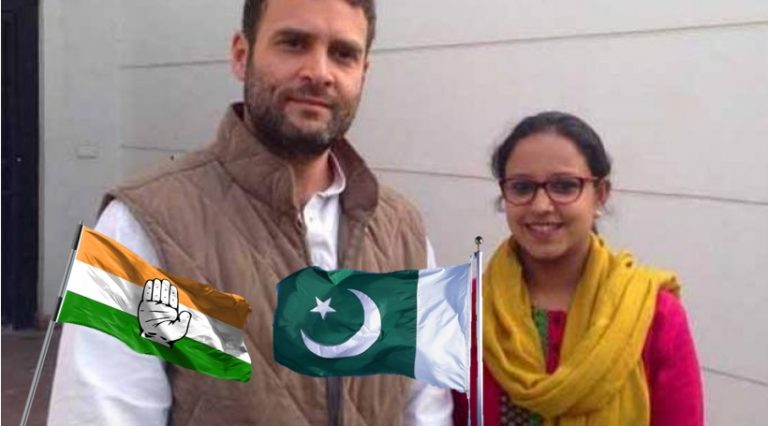
The WhatsApp group in the question is named India Political Network. From the screenshot posted by the BJP leader, it can be seen that the administrator of the group is Hasiba Amin, who is the national convenor of the Social Media Department of Congress party. A face of the Congress advertisements during the 2014 Lok Sabha elections, Amin was appointed to the Social Media cell in August 2017 by the vice president Rahul Gandhi. Before joining Congress, Amin was a NSUI member.
Rahul Gandhi’s Cong has appointed someone called Hasiba Amin as National Social Media Convenor.
As shown in the screenshots, several Congress leaders are also part of the WhatApp group. And along with them, we can see several phone numbers with the country code 92 who are members of the group. India’s country code for telephone networks is 91, while code 92 belongs to Pakistan.
Would you believe this Whatsapp group has members from Pakistan too ?
This means, several users of Pakistan are part of this WhatsApp group of Congress party, which broadcasts instructions to members what to post on various social media sites.
At a time when anti-Pakistan sentiments in the country are at highest after the Pulwama terror attack, Congress party using Pakistani nationals to spread its propaganda on Social Media has come as a big shock.
OpIndia contacted Suresh Nakhua regarding the screenshots of the WhatsApp group. He confirmed that the screenshots are real and he has got them from credible sources. When asked what if Congress claims the screenshots to be fake, he said that if that happens he will produce proof that these are real. He asserted that even if the Congress party sues him claiming the images to be fake, he said that he would not back off and fight it with all the evidence he has. One of the images shows the name of the group as Indian Political Network, while others show it as India Political Netwrok. To this, he said that it is the same group name of which may have been changed.
Suresh Nakhua has asked Congress to explain what the Pakistani nationals are doing in a WhasApp group where Congress office bearers are administrator and members.
वसुधैवकुटुम्बकम्, a Sanskrit phrase found in Hindu texts such as Maha Upanishad means that ‘the whole world is one single family’. The phrase reminds us of entire humanity’s kinship.
Hinduism is arguably the oldest religion in the world, dating back to over 4000 years. It is followed by 15-16% of the global population, numbering over 1.1 billion people. India is the birthplace of Hinduism and along with Nepal & Mauritius, India is the 3rd Hindu majority country in the world, and Hinduism is the religion with the largest number of adherents in several other countries, e.g., Fiji Islands. Hinduism and its reach are noticeable in the immediate neighbourhood, with a deep influence on Sri Lanka, Bangladesh, Bhutan & even Burma. However, in South East Asian countries such as Cambodia, Indonesia, Laos, Mauritius, Malaysia, Thailand, Singapore, Vietnam; the influence of Hinduism is even more obvious. Hinduism has also spread to other corners of the world and is followed in many more countries globally.
Ramayana and Mahabharata are two of Hinduism’s greatest epics, and Upanishad, the Vedas and Bhagavad Gita propound its tenets. Brahma, Vishnu, Shiva, Durga, Parvati, Saraswati, Ganesha etc. are some of the Hindu deities worshipped by its followers. The avatars of these deities include Rama, Krishna, Matsya etc. too are revered by Hindus across the world. Over the centuries, Hinduism has inspired intellectuals and common people alike and formed tight bonds with the native cultures of the countries in which it took roots.
Across the world, Stamps are used to honour a nation’s heroes, momentous events, symbols and culture. Stuck on envelopes, they travel the far reaches of the country as well as across the world and propagate their message.
The Hindu deities have similarly managed to assimilate themselves in the popular culture of many countries and have found a place on the face of many stamps. Country after country expressed pride in their association with the principles, symbols and stories of Hinduism.
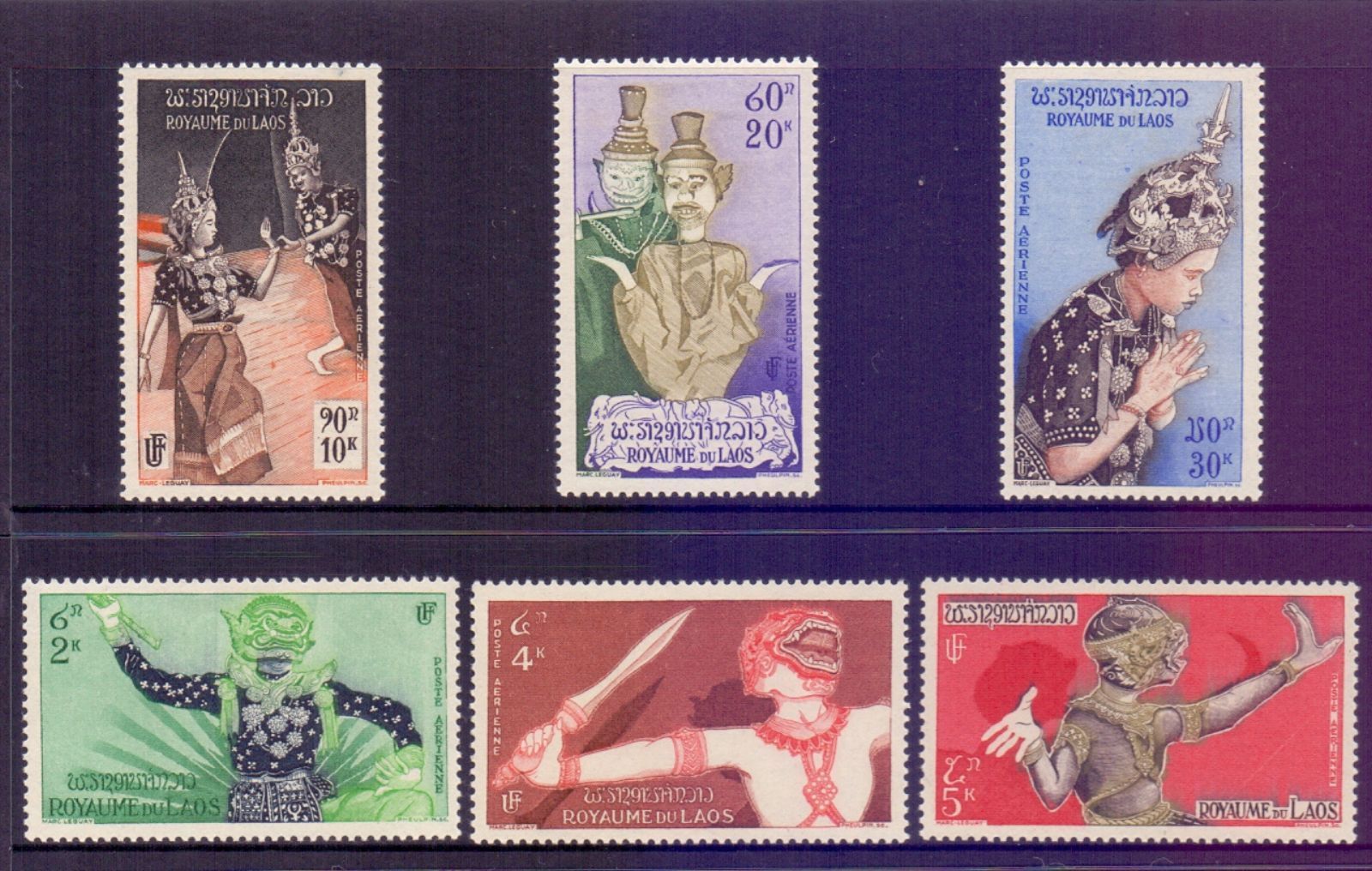
Let us begin with Laos, which is a tiny South East Asian country with a predominantly Buddhist population has less than 1% of its population as Hindus. However, it has released several stamps on Hindu deities. In 1955, Laos released a set of 6 stamps on Ramayana depicting Lord Rama, Sita, Raavan & Hanumaan.
Laos 1955 -Sita, Rama, Ravana, Hanuman
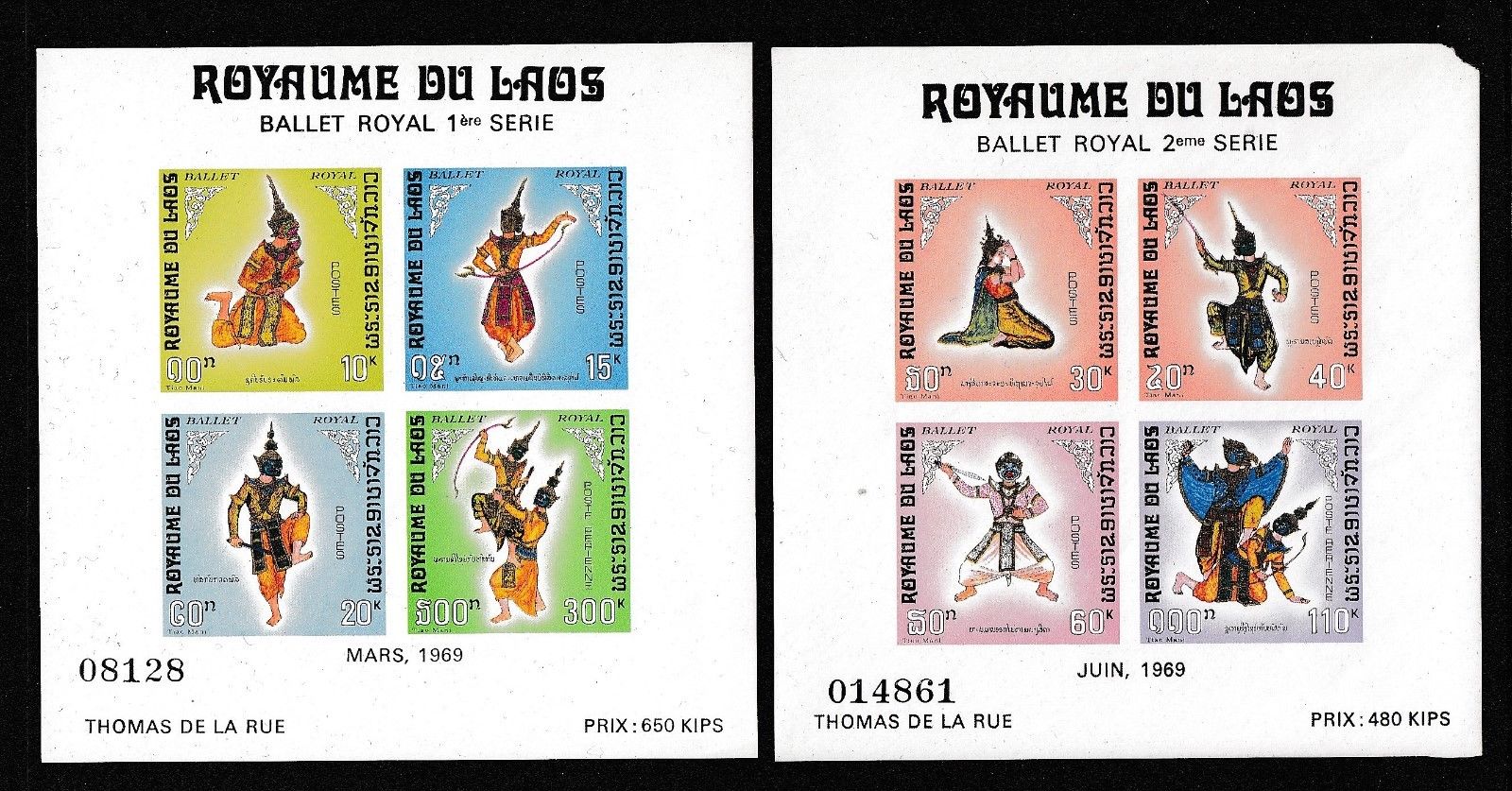
In 1969, Laos again issued a set of 8 stamps which featured scenes from the Ramayana.
Laos 1969 – Ramayana
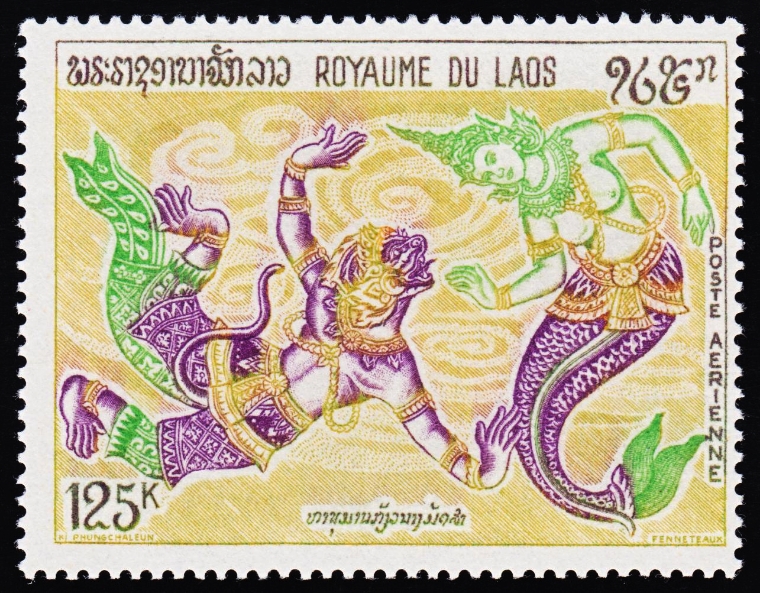
In 1971, it issued another stamp which depicted Matsya fighting with Lord Hanumaan.
Laos 1971 Matasya fights with Hanuman
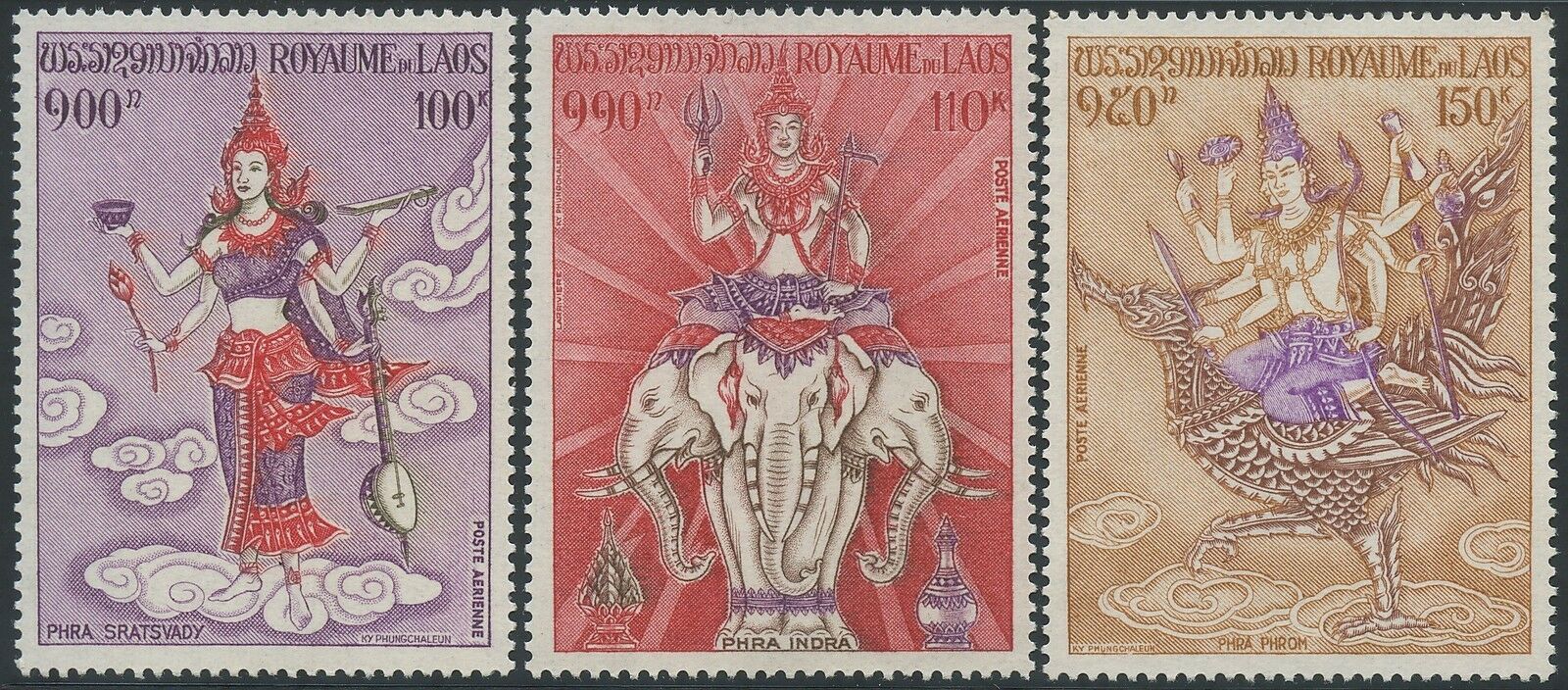
In 1974, Laos issued a set of 3 stamps depicting Saraswati, Indra and Brahma.
Laos 1974 – Saraswati, Indra, Brahma
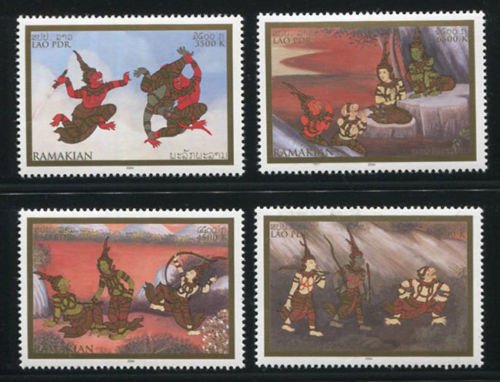
In 2004, Laos issued a set of 4 stamps featuring scenes from Ramayana.
Laos 2004 – Ramayana
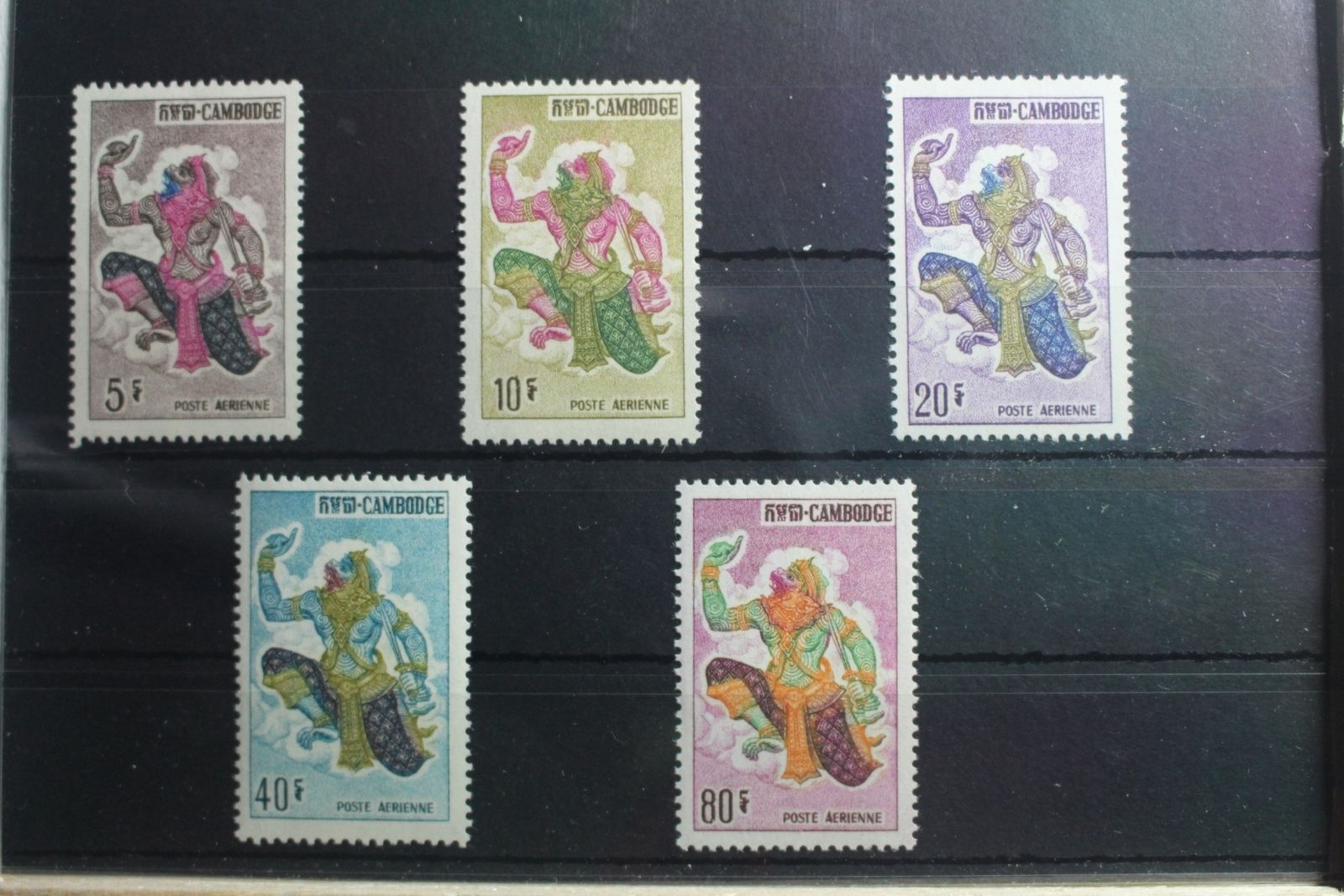
Another small country in South East Asia; Cambodia, too has brought out several stamps on Hindu deities. The strife-torn country has Buddhism as its main religion (nearly 97% population is Buddhist). Hindus account for less than 0.2% of the overall population. However, Cambodia has clung to its Hindu past and issued several stamps on the same. In 1964, Cambodia issued a set of 5 stamps on Hanumaan.
Cambodia 1964 – Hanuman
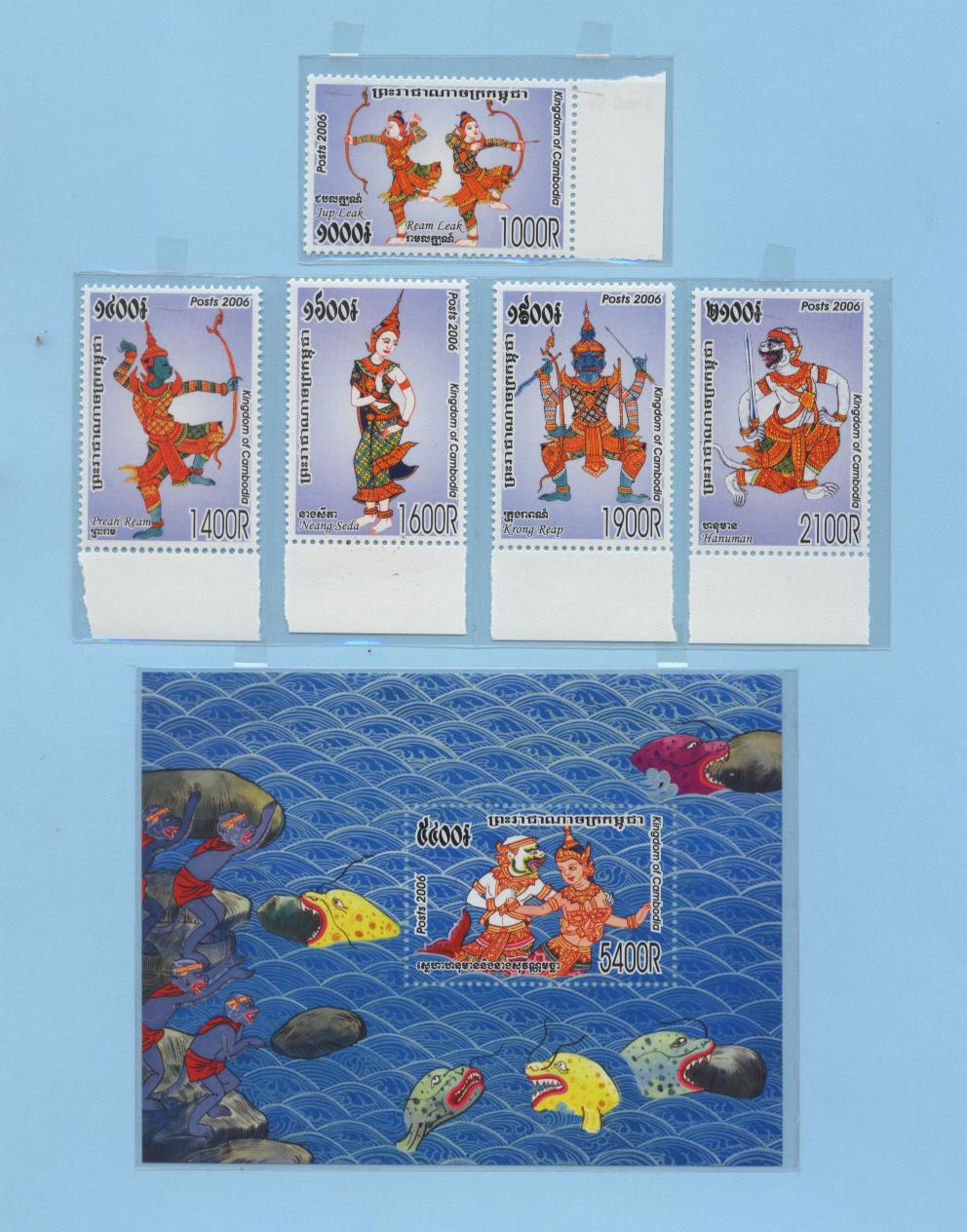
In 2006, Cambodia issued a set of 5 stamps depicting Luv Kush, Lord Rama, Sita, Raavan and Hanumaan. It also issued a miniature sheet featuring Matasya with Hanumaan.
Cambodia 2006 – Luv Kush, Ram, Sita, Hanuman, Matsya
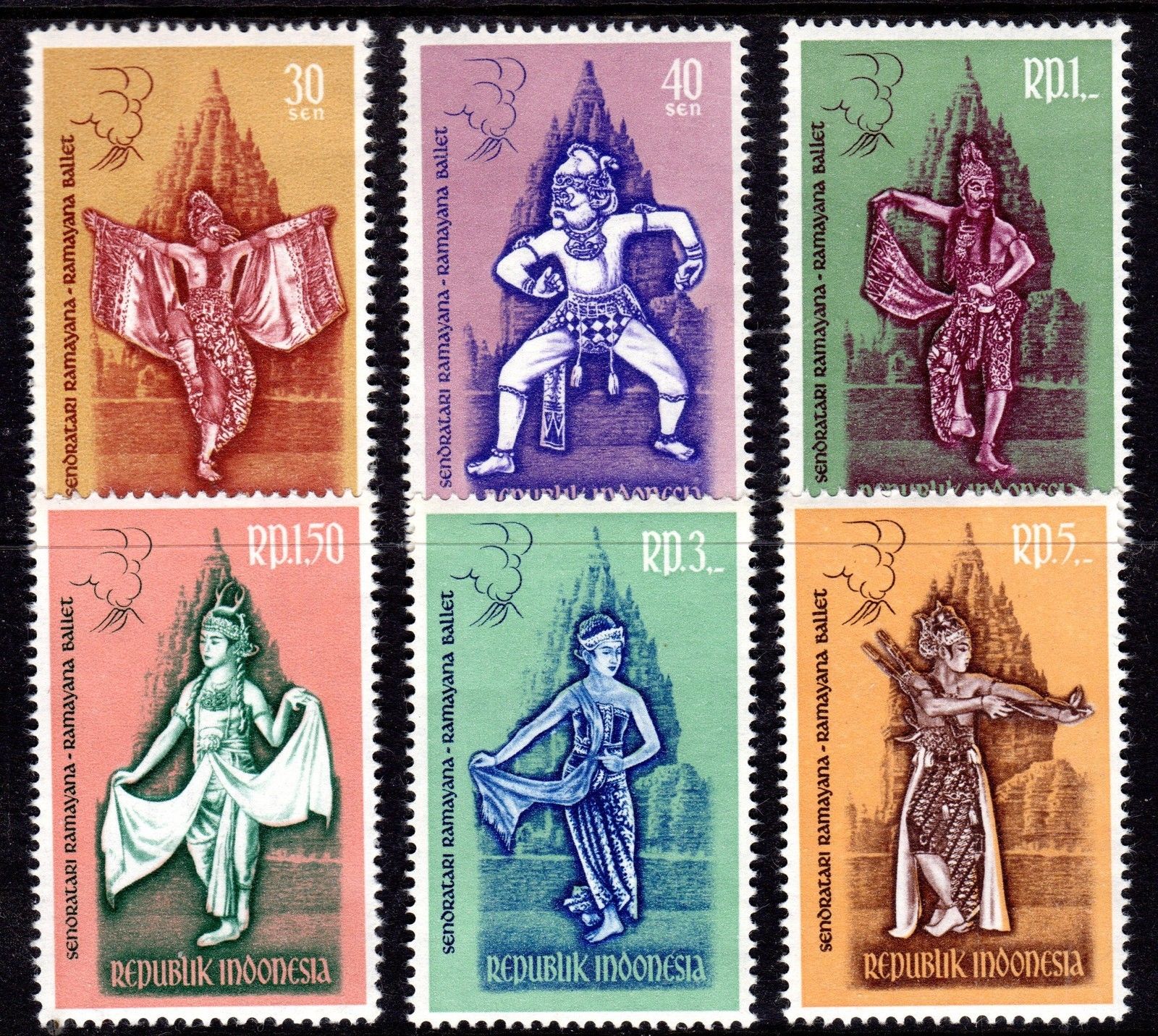
Indonesia, the island nation in South East Asia is a Muslim majority nation with 87% of the population following Islam. Hindus form less than 2% of the overall population. However, this has not stopped Indonesia from honouring Hindu deities and issuing stamps after them. In 1962, Indonesia issued a set of 6 stamps on Ramayana depicting Jatayu, Hanumaan, Raavan, Maricha, Sita and Rama.
Indonesia 1962 Jatayu, Hanumaan, Ravana, Maricha, Sita, Rama
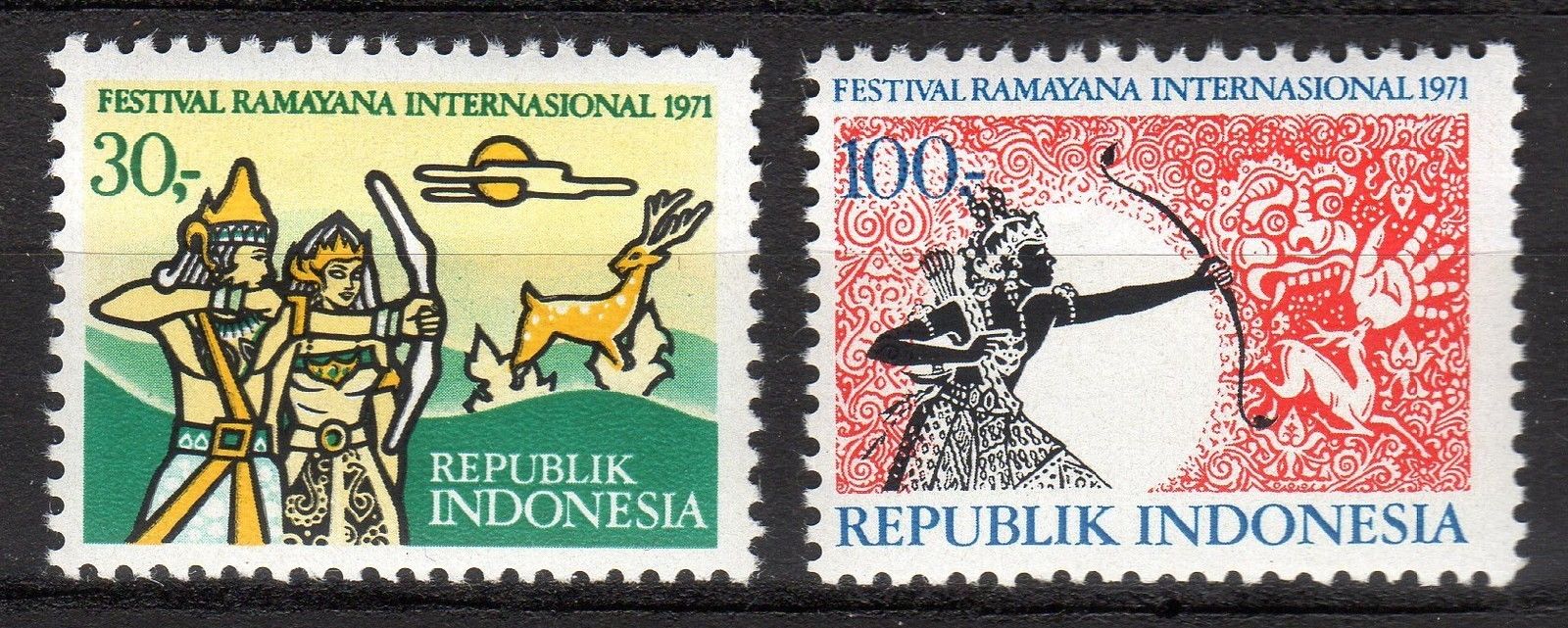
In 1971 it issued a set of 2 stamps which depicted Rama hunting Maricha.
Indonesia 1971 Rama Maricha
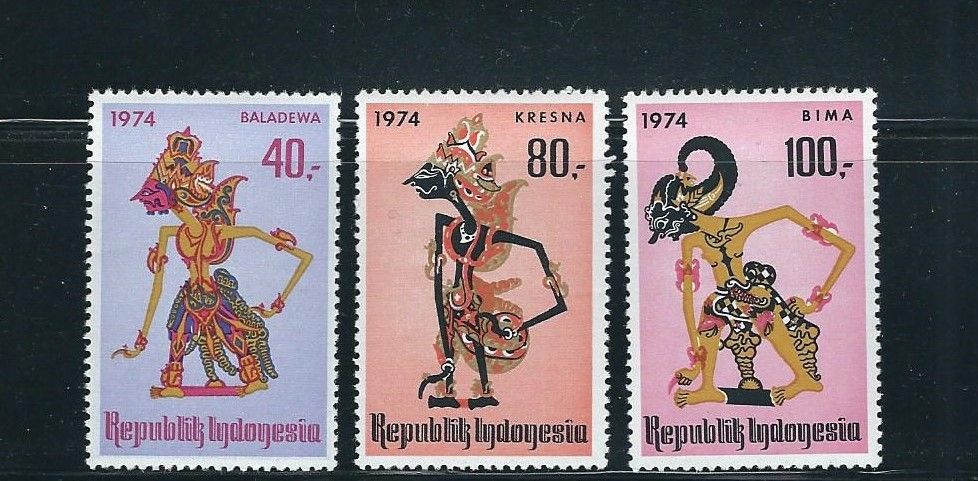
In 1974, Indonesia issued a set of 3 stamps on Mahabharat which depicted Baldeva, Krishna and Bhima.
Indonesia 1974 – Baldeva, Krishna, Bhima
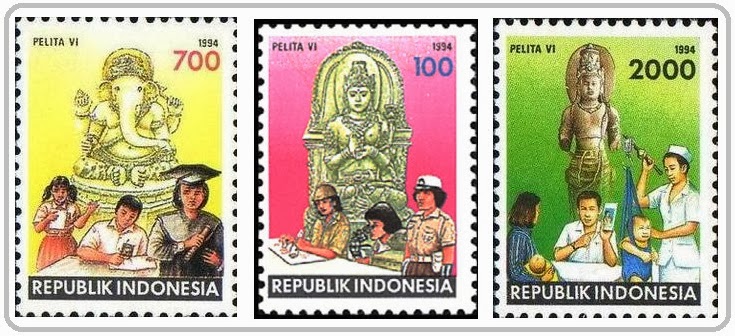
In 1994, it issued a set of 3 stamps on Hindu deities which included Ganesha.
Indonesia 1994 – Ganesha
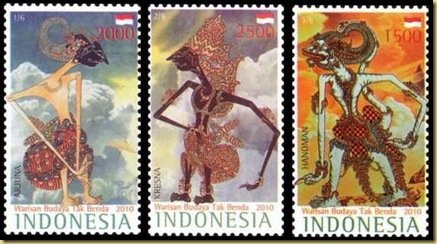
In 2010, it issued a set of stamps which depicted characters from Ramayana and Mahabharat.
Indonesia 2010 Arjun, Krishna, Hanumaan
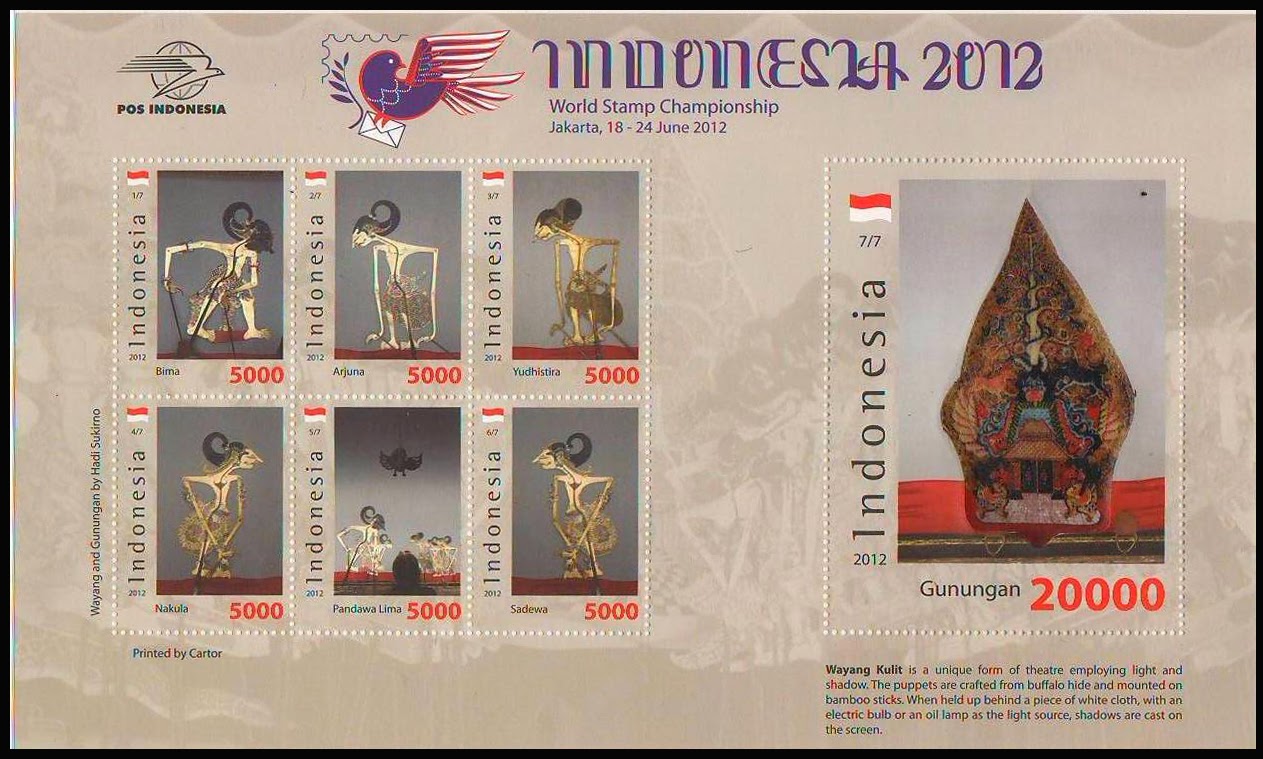
In 2012, Indonesia issued a miniature sheet to celebrate the World Stamp Championship in Jakarta. The sheet depicted the 5 Pandava’s; Bhima, Arjuna, Yudhistra, Nakula, Sehdeva and the Pandava Lima.
Indonesia 2012 Bhima, Arjuna, Yudhistra, Nakula, Sehdeva
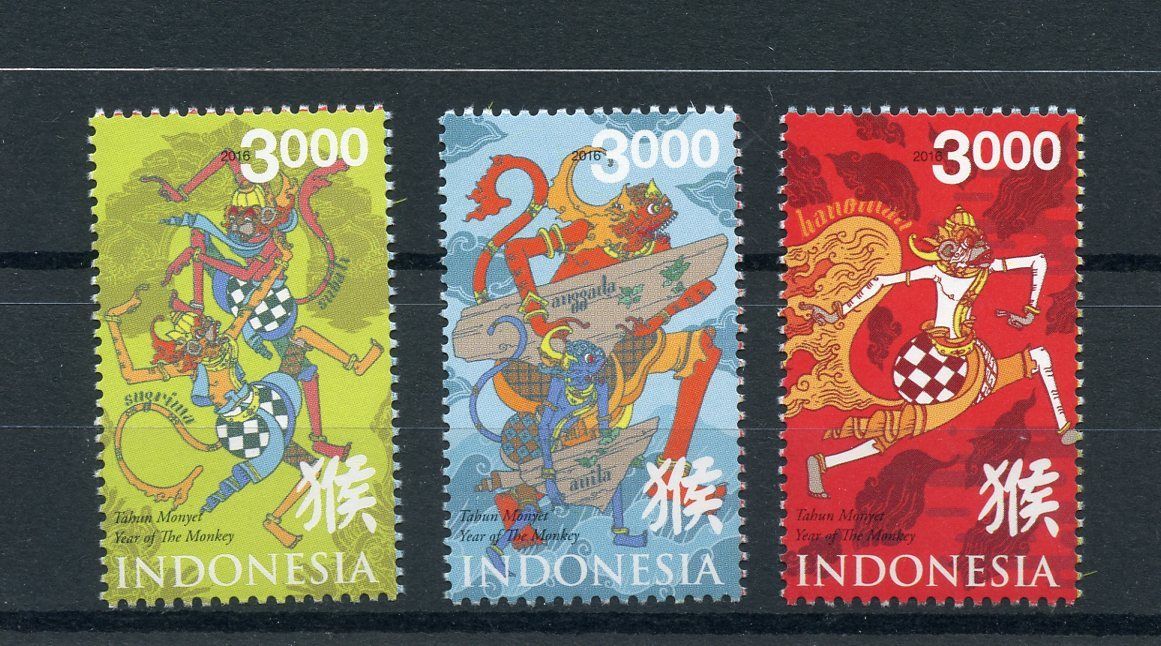
In 2016, Indonesia celebrated the Chinese year of monkey by releasing a set of 3 stamps featuring Sugriva, Angad and Hanuman.
Indonesia 2016 Sugriva, Angad, Hanuman
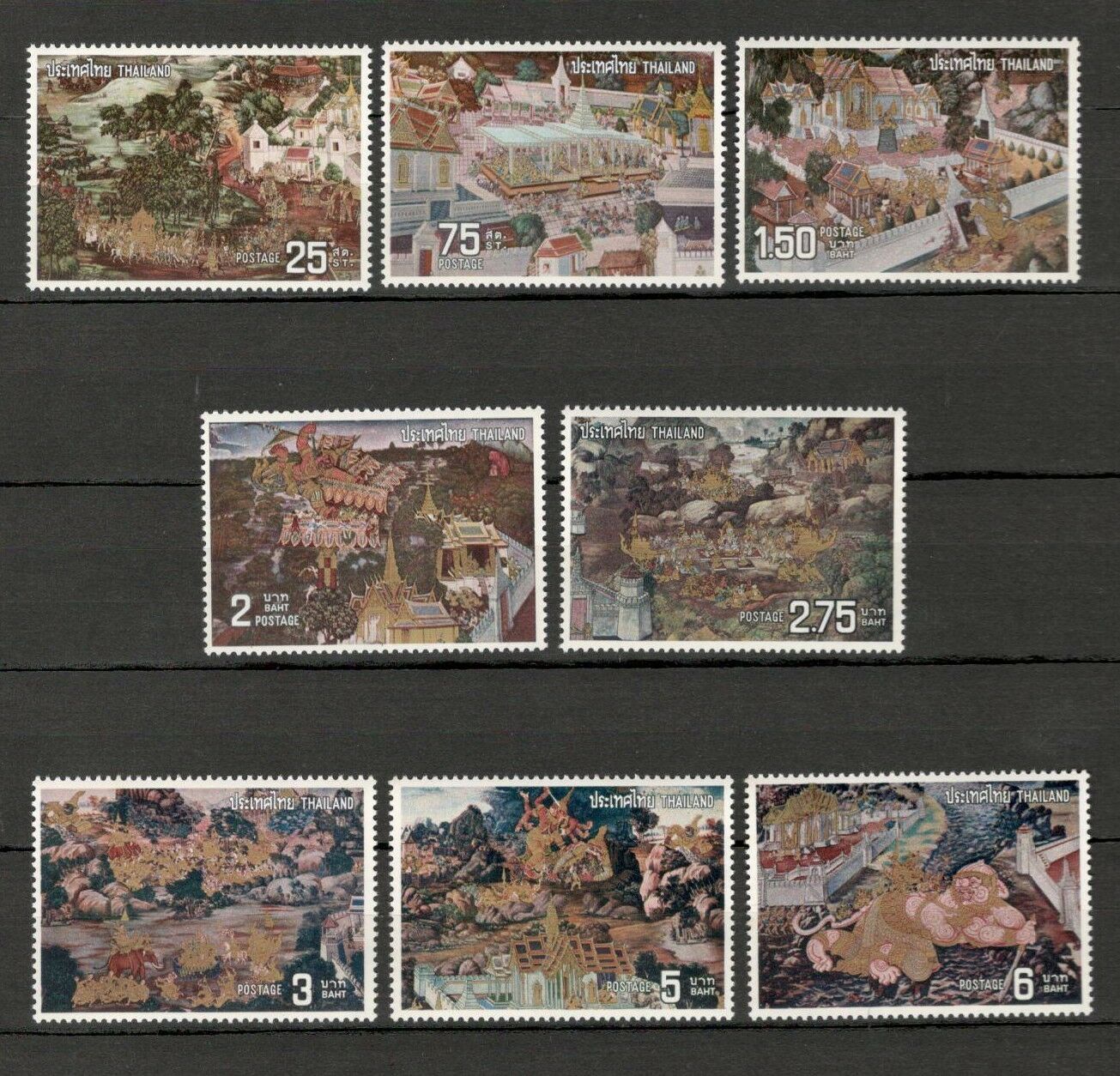
Thailand, another country in South East Asia has nearly 95% of its population practicing Buddhism. Hindus constitute around 0.03% of the total population. However, the effect of the Hindu culture is heavily reflected in its philately. In 1973, Indonesia issued a set of 8 stamps depicting various scenes from Ramayana which included Ashoka Vatika, Ravana’s Parasol, Vanara Sena crossing the sea etc.
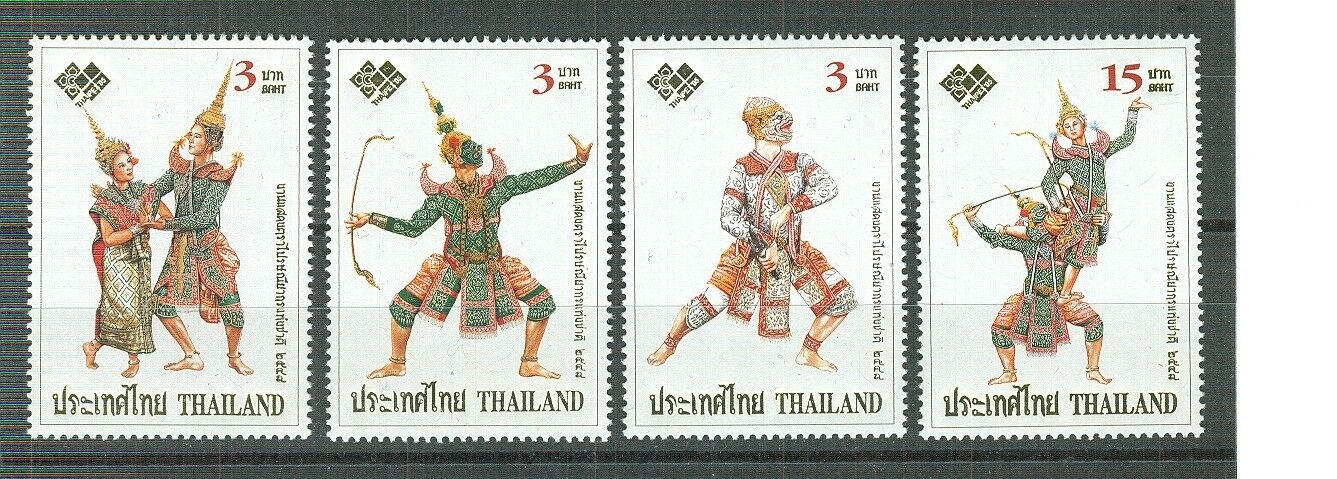
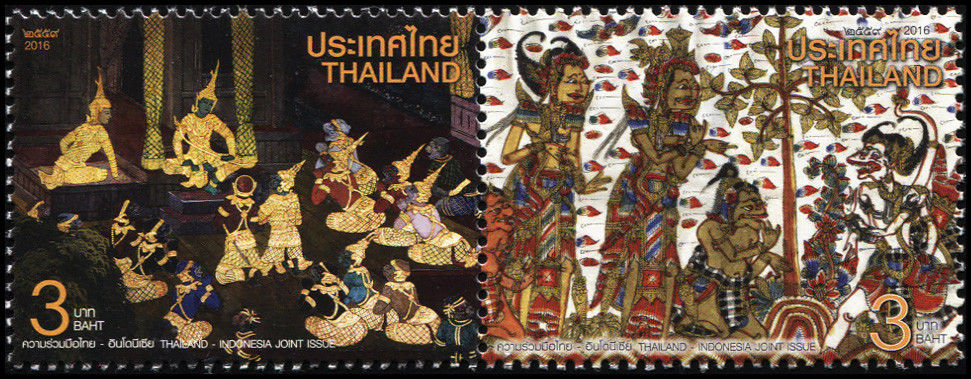
In 2014, it issued a set of 2 miniature sheets depicting Ganesha. (Pic 17). In 2016, it issued a set of 2 stamps as part of a joint issue with Indonesia, depicting scenes from Ramayana.
Thailand Indonesia Ramayana 2016
The depiction of Hindu deities in stamps is not restricted to Asian countries only. Even several European nations have issued stamps of Hindu deities.
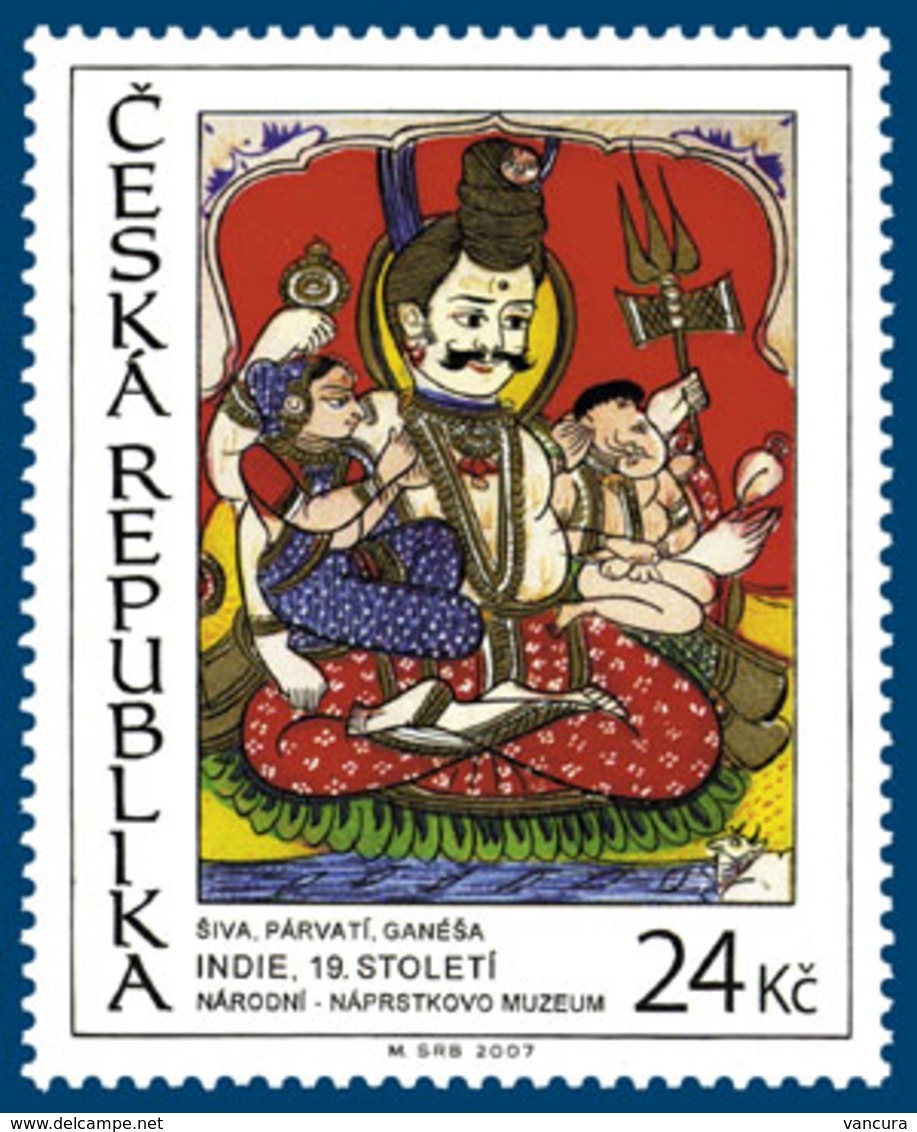
The Czech Republic in 2007 issued a stamp which depicted Shiva, Parvati and Ganesha.
Czechoslovakia 2007 -Shiva-Parvati-Ganesha
In 2009, it issued another stamp which depicted Rama, Sita and Hanuman. (Pic 20).
Czechoslovakia 2009 – Ramayana
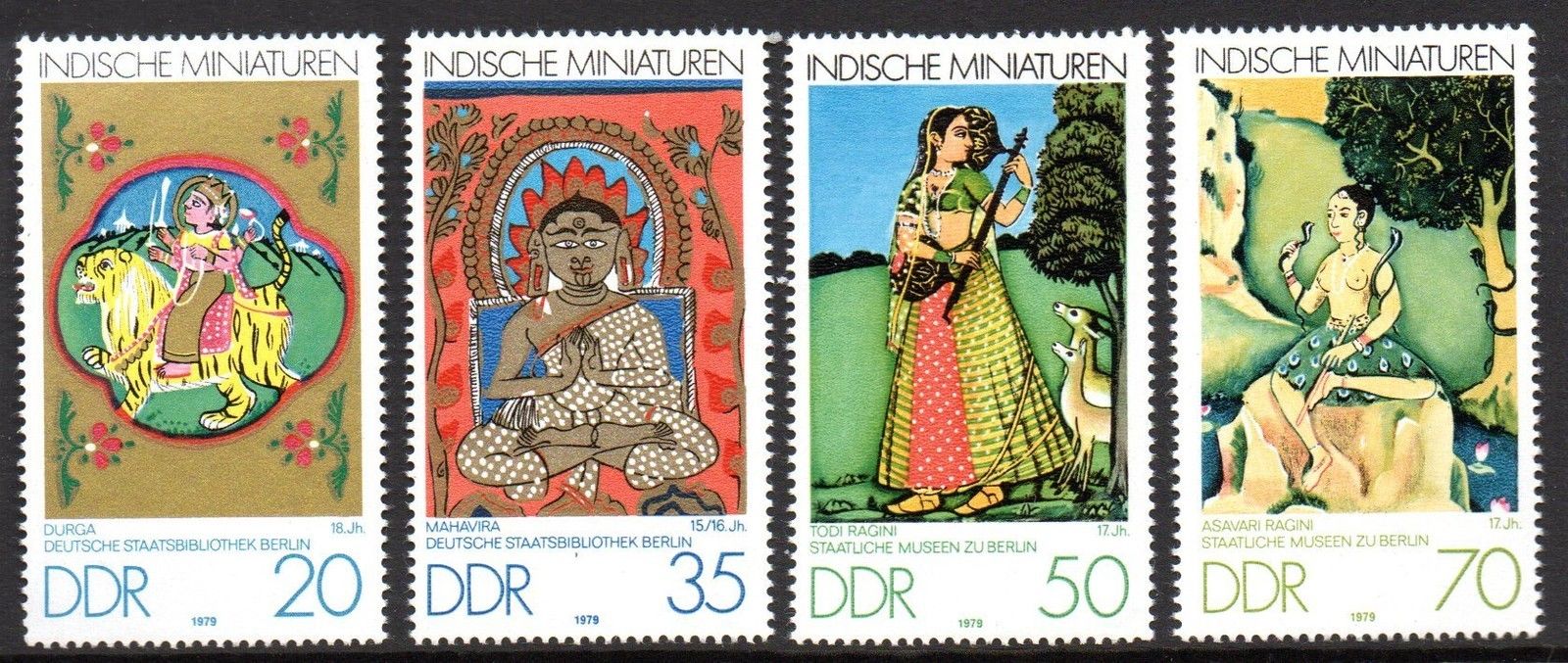
The erstwhile East German issued a set of 4 stamps in 1979 which depicted Durga, Mahavira, Todi Ragini, Asavari Ragini.
East Germany – 1979 – Durga, Mahavira, Todi Ragini, Asavari Ragini
Some of the Caribbean nations too haven’t been far behind.
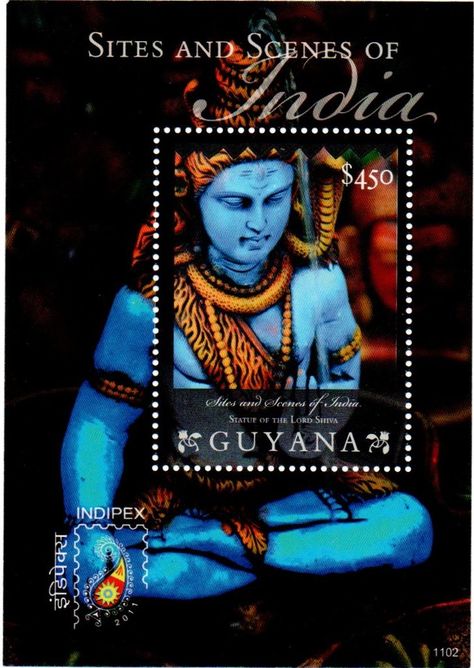
Guyana which has nearly 25% of its population as Hindus, issued a stamp on Shiva in 2011.
Guyana Shiva 2011
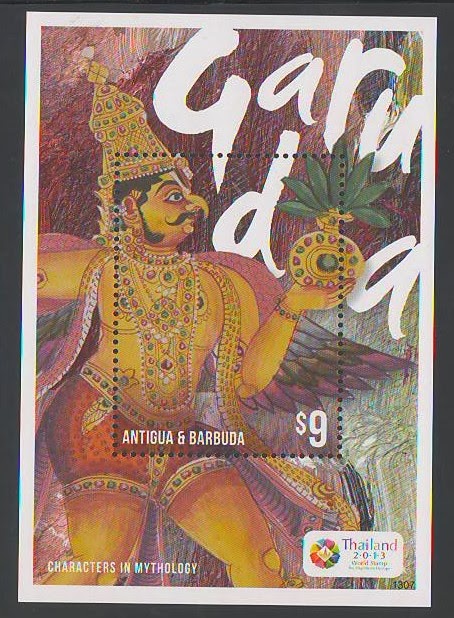
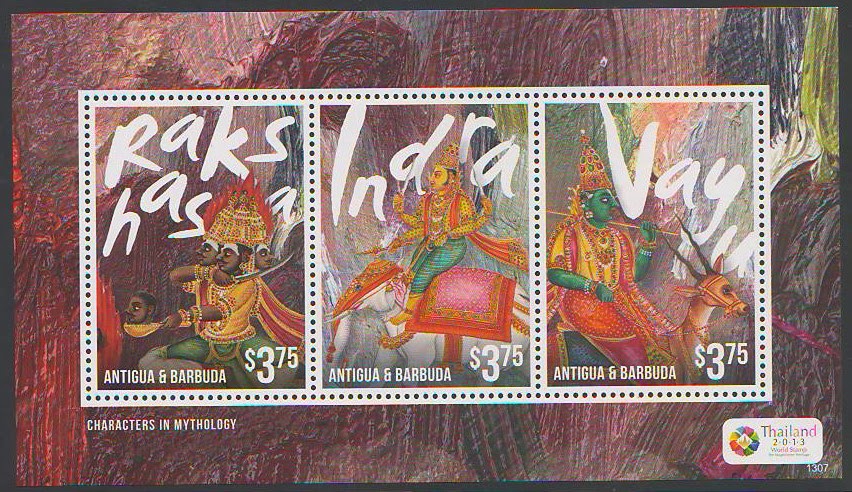
Antigua and Barbuda, a Christian dominated country (over 75% of its population is of Christians), issued a miniature sheet on Garuda in 2013. It also issued another miniature sheet which depicted Rakshasa, Indra and Vaayu.
Antigua and Barbuda – 2013 – GarudaAntigua and Barbuda – 2013 – Rakshasa, Indra, Vaayu
India has the largest number of Hindus in its fold with over 1 billion people comprising nearly 80% of its total population practising Hinduism. However, struck by the secular zeal since independence, India rarely, if ever, honoured its deities on its stamps.
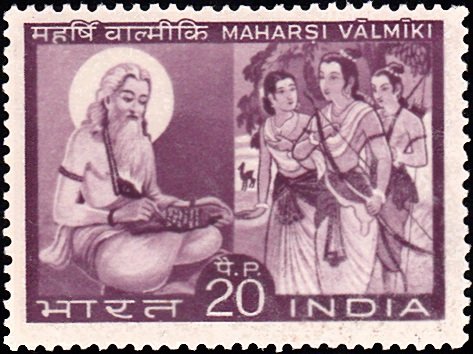
23 years after independence, in 1970 India issued a 20 paise stamp on Maharsi Valmiki depicting a scene from Ramayan.
India 1970 Maharshi-Valmiki
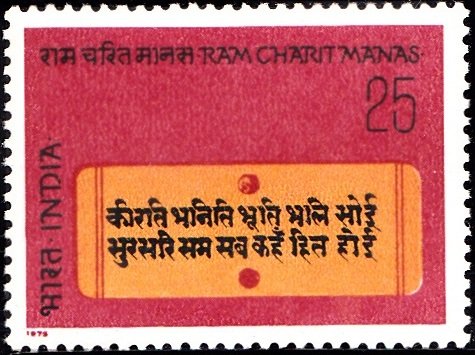
It took another 5 years for India to wake up from slumber and issue a 25 paise stamp on Ram Charit Manas in 1975.
India 1975 Ram Charit-Manas
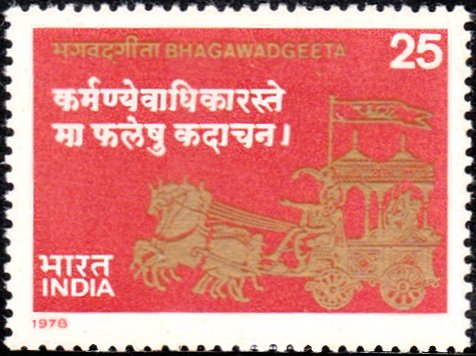
3 years later, in 1978, India issued a 25 paise stamp on Bhagawadgeeta.
India 1978 -Bhagawadgeeta
Post this, there was a resurgence of Indira Gandhi in national politics and the Indian National Congress enjoyed a brute majority in the Parliament and over most things in India. The era was marked by a rise of minority appeasement and trampling over the rights of Hindus and relegating them to secondary citizens in India.
This phase continued for nearly 3 decades. And for nearly 3 decades, no stamp on Hindu epics or deities was issued in Hindu majority India.
However, stamps were merrily issued honouring the Nehru – Gandhi family. 15 stamps were issued on Jawaharlal Nehru, 5 on Indira Gandhi, 3 on Rajiv Gandhi. Even Kamla Nehru and Sanjay Gandhi were honoured with a stamp in their memory!
Things changed when Narendra Modi came to power in 2014.
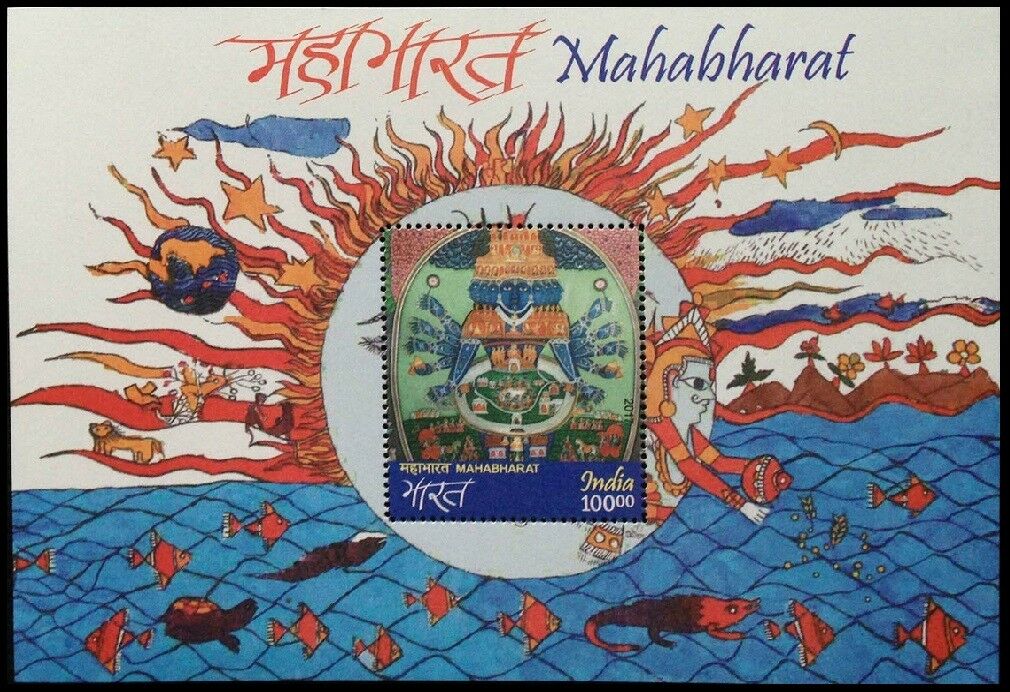
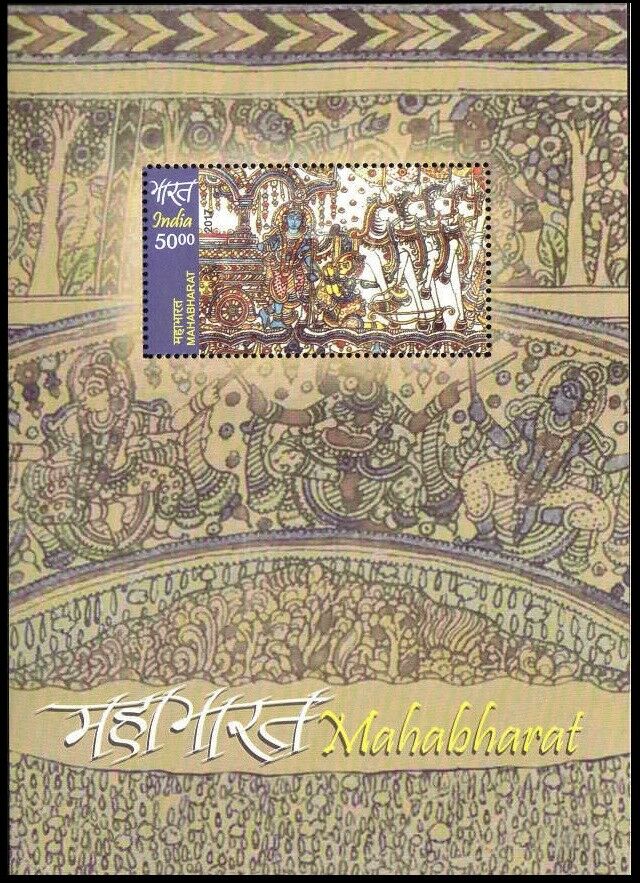
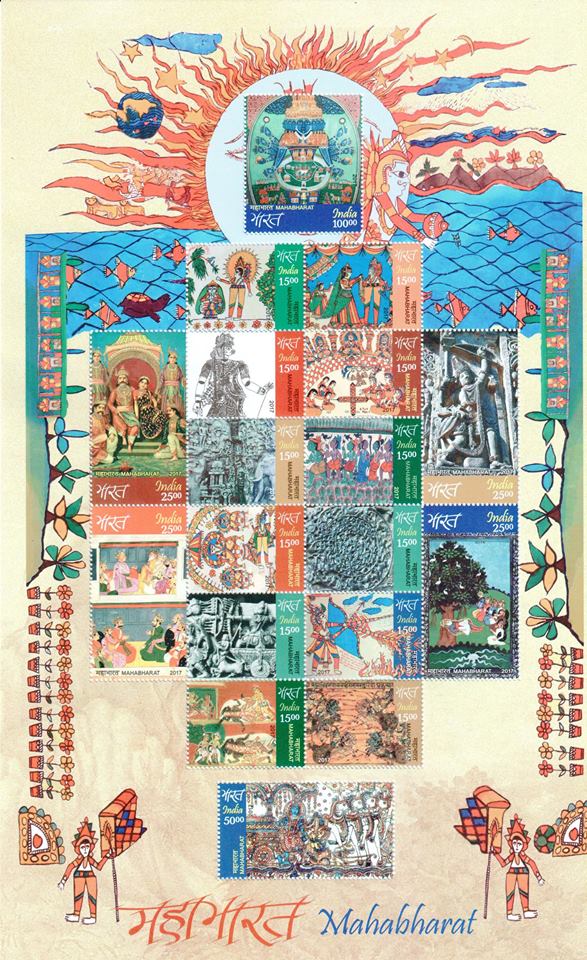
In 2017, India Post brought out a set of 3 sheets depicting scenes from the Hindu epic Mahabharat. (Pic 28, 29, 30).
India 2017 MahabharatIndia 2017 MahabharatIndia 2017 Mahabharat
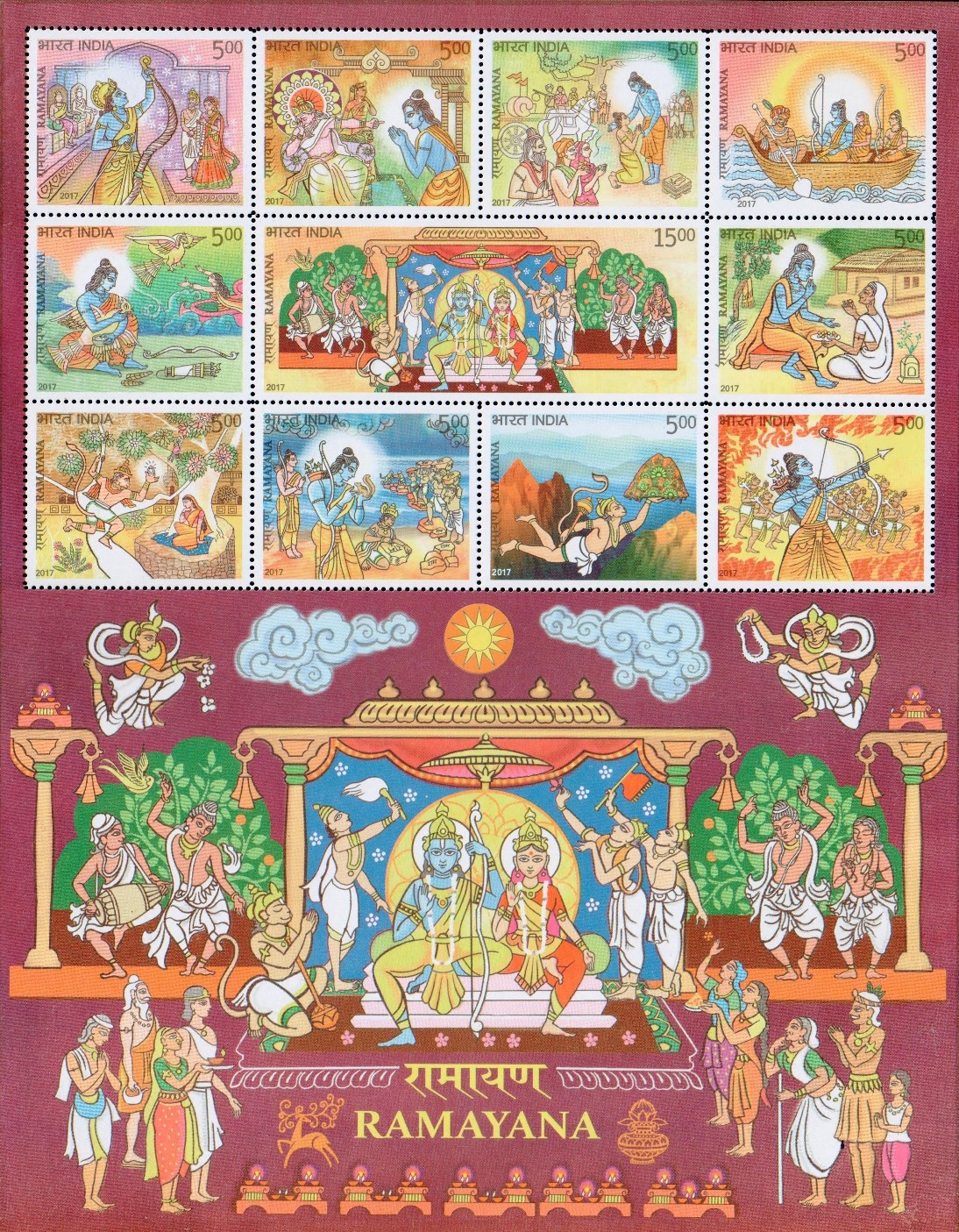
It also brought out 2 sheets depicting scenes from the Hindu epic Ramayana.
India 2017 RamayanaIndia 2017 Ramayana
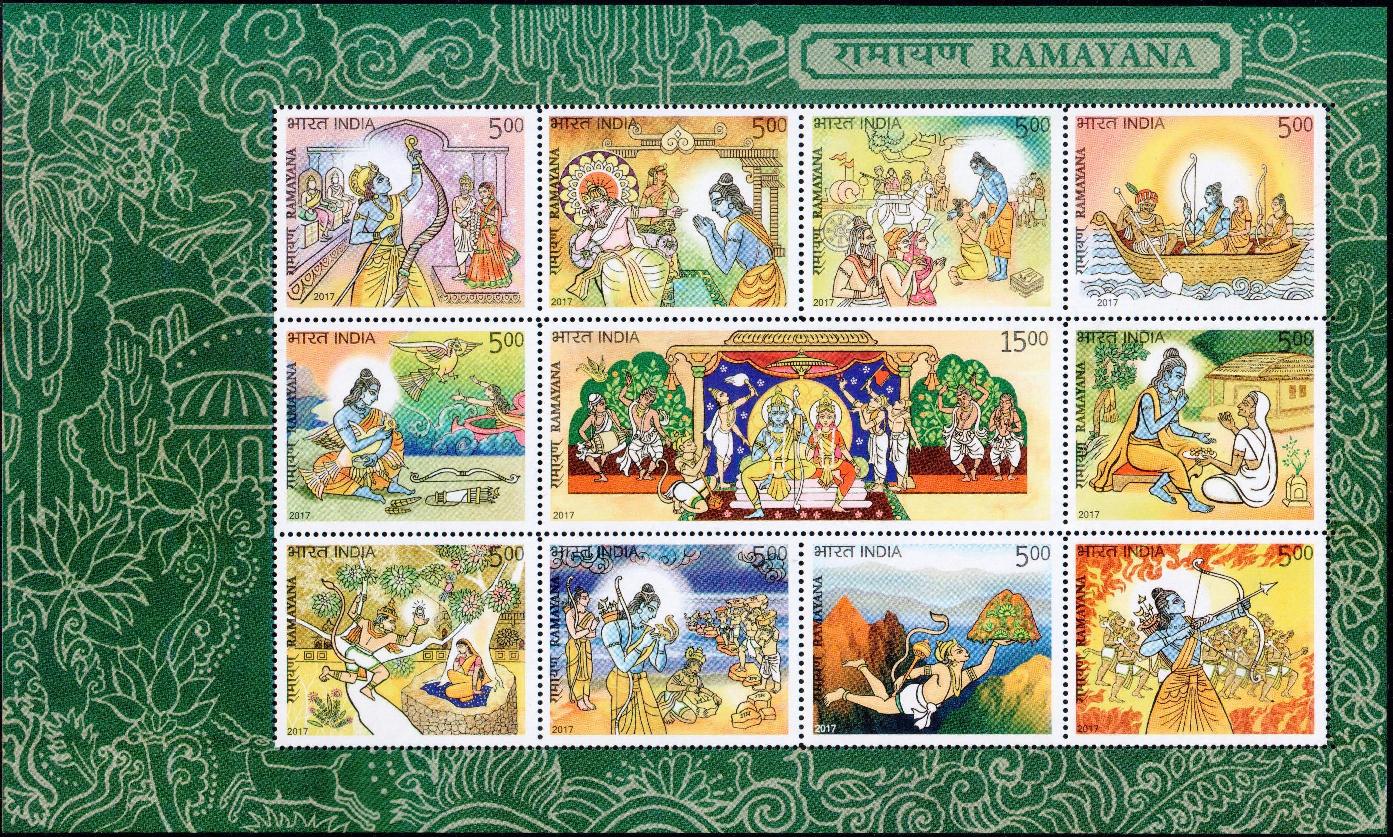
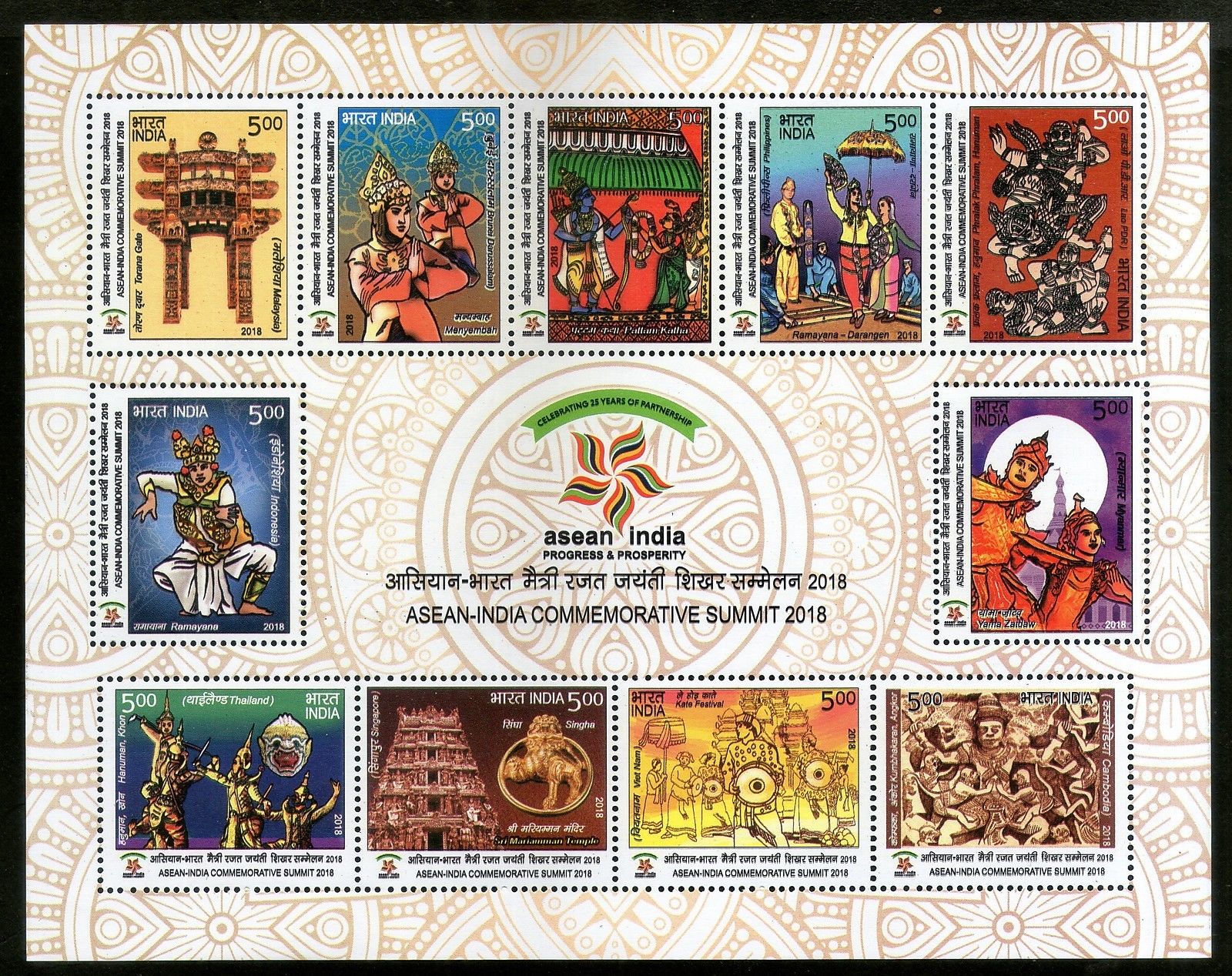
To commemorate the ASEAN India summit in 2018, India Post again issued a sheet having 11 stamps depicting various scenes from Ramayana.
India 2018 ASEAN Ramayana
The efforts by India Post to correct a historical wrong though commendable are not enough.
It is rightly said that “A people without the knowledge of their past history, origin and culture is like a tree without roots.”
A civilization widely considered to be the world’s oldest and epics which have been the fountain of knowledge for philosophers across the world needs to be reflected and projected in all its glory to people across the world.
Stamps present just such an opportunity.
India must use its philatelic might to project its rich culture. Storytelling using stamps, to quote teachings from its epics, depict major events, deities and their teachings will help even the students to relate and understand their culture and heritage better, engendering a pride so necessary to bolster their purpose and dreams, and progress of the nation.
This will also be the propagation of India’s glorious past and its recounting.
India Post has a glorious opportunity to take forward India’s legacy of being the spiritual guru of the world, which has inspired people and civilizations globally. All the stakeholders must come together to realize this historic opportunity and resurrect India’s glorious past.
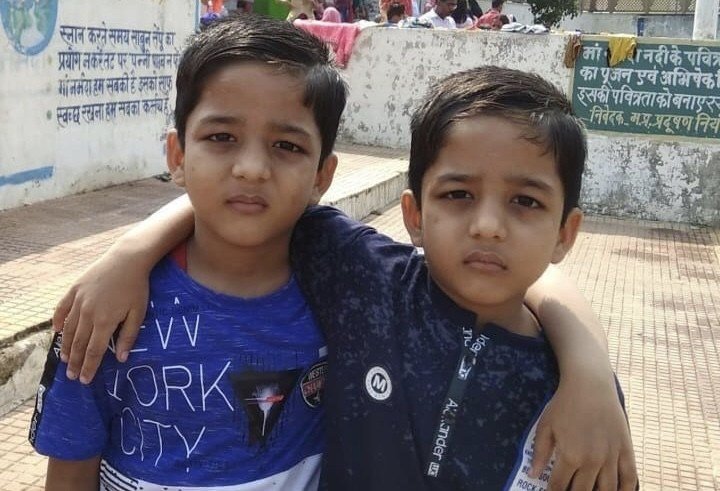
In a shocking incident, two 6-year-old twin brothers who were kidnapped on gunpoint from their school bus in broad daylight from Madhya Pradesh’s Chitrakoot were found dead in a river in Uttar Pradesh’s Banda, 11 days after the kidnap.
The Madhya Pradesh police have held five men, including the possible mastermind of the abduction, who gave private tuitions to the twins.
Two masked men had barged into a school bus with guns and dragged the two brothers, Sreyansh and Priyansh Rawat, sons of a businessman in Chitrakoot on February 12. Both the boys studied in kindergarten.
Police sources said the family had paid Rs 20 lakh in ransom to the kidnappers on February 19 but they raised the demand to Rs 1 crore instead of releasing the hostages. The boys were killed on February 21.
“The kidnappers took the ransom and then killed the two children,” Chitrakoot senior police officer Chanchal Sekhar told reporters today. The children were tied together to a stone and drowned in the river, the officer said.
Just after the kidnapping, the police suspected a gang known as “Babuli Kol” took the brothers to the jungles.
The gruesome murder of these minors triggered widespread protests in Chitrakoot where a large number of people came out on the road and ransacked the Jankikund shopping complex, close to where the children were kidnapped. The mob attacked the properties in the complex and set some shops on fire. MP Police have fired tear gas shells to disperse the mob getting out of control.
Protesters also vented their anger at the school where the boys were studying and pelted stones at the school building and employees of the trust which runs it.
Marka Station House Officer Zahid Hussain said that the Special Task Force arrested four people, who are allegedly involved in the crime and they led the police to the site from where they had thrown the children into the water. “After a night-long search, the bodies were found near a temple in Bakul village of Marka police area in Madhya Pradesh Sunday morning. The bodies were sent for post mortem,” Hussain added.
Soon a political slugfest started brewing over the gruesome kidnapping and murder of the twins. Though the incident occurred in Madhya Pradesh, the government blamed the UP authorities since the dead bodies were found in a river in Uttar Pradesh. A senior minister of Kamal Nath government put the blame for the killing more on the UP government and police and even demanded the resignation of UP CM Yogi Adityanath in the matter.
“A joint operation of MP and UP police was underway to rescue the kids since the bodies have been found in UP’s territory, hence the UP police and government are largely to be blamed”, said MP Law minister PC Sharma in Bhopal on Sunday.
Lately, after Congress bigwig Kamal Nath has taken Madhya Pradesh’s reigns in his hand, the criminalised nexus in MP has been in the rise. The series of political murders are especially accentuating, with several BJP leaders in Madhya Pradesh being targetted.
The beginning of the year witnessed the brutal murder of an RSS worker from Ratlam. This was reportedly the fourth murder the state witnessed within a span of 10 days. Prior to this several BJP leaders have fallen prey to this criminal counterplot.
Chhatrapal Singh Rawat, a BJP worker from Madhya Pradesh, was found murdered in Gwalior. Another BJP office-bearer, Magan Siddiqui was seriously injured after he was reportedly attacked in Jabalpur. Similarly, Balwadi BJP leader Manoj Thackeray was found murdered in a field after he had gone for a morning walk. Prior to that, Mandsaur BJP leader Prahlad Badhwar was shot dead in full public view.
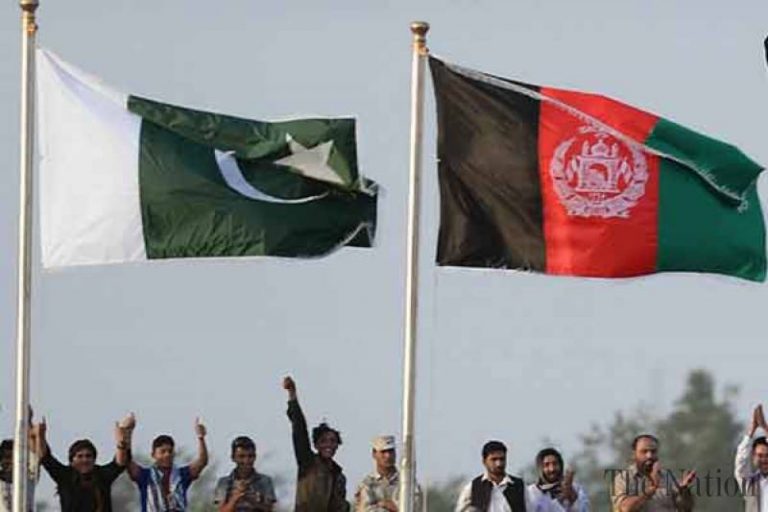
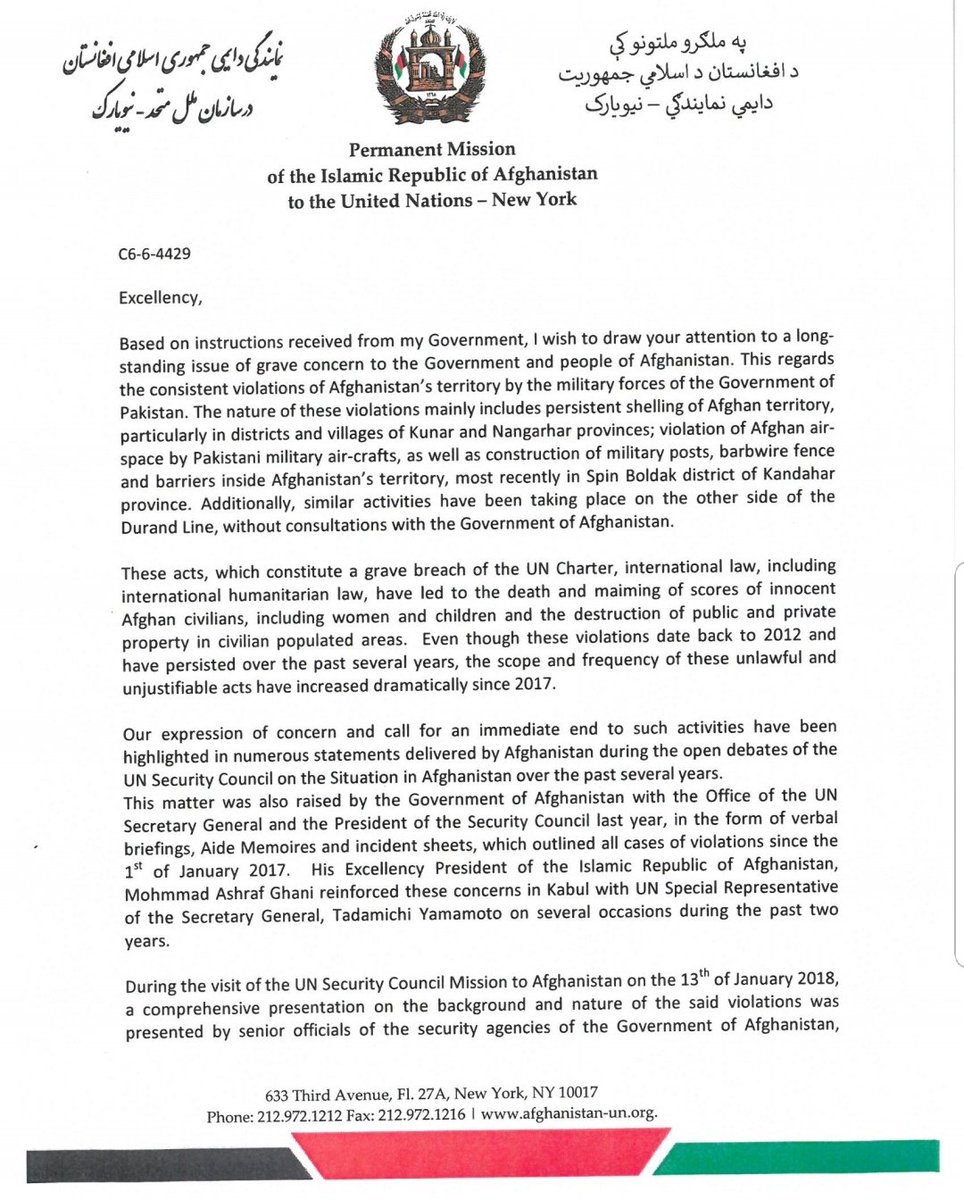
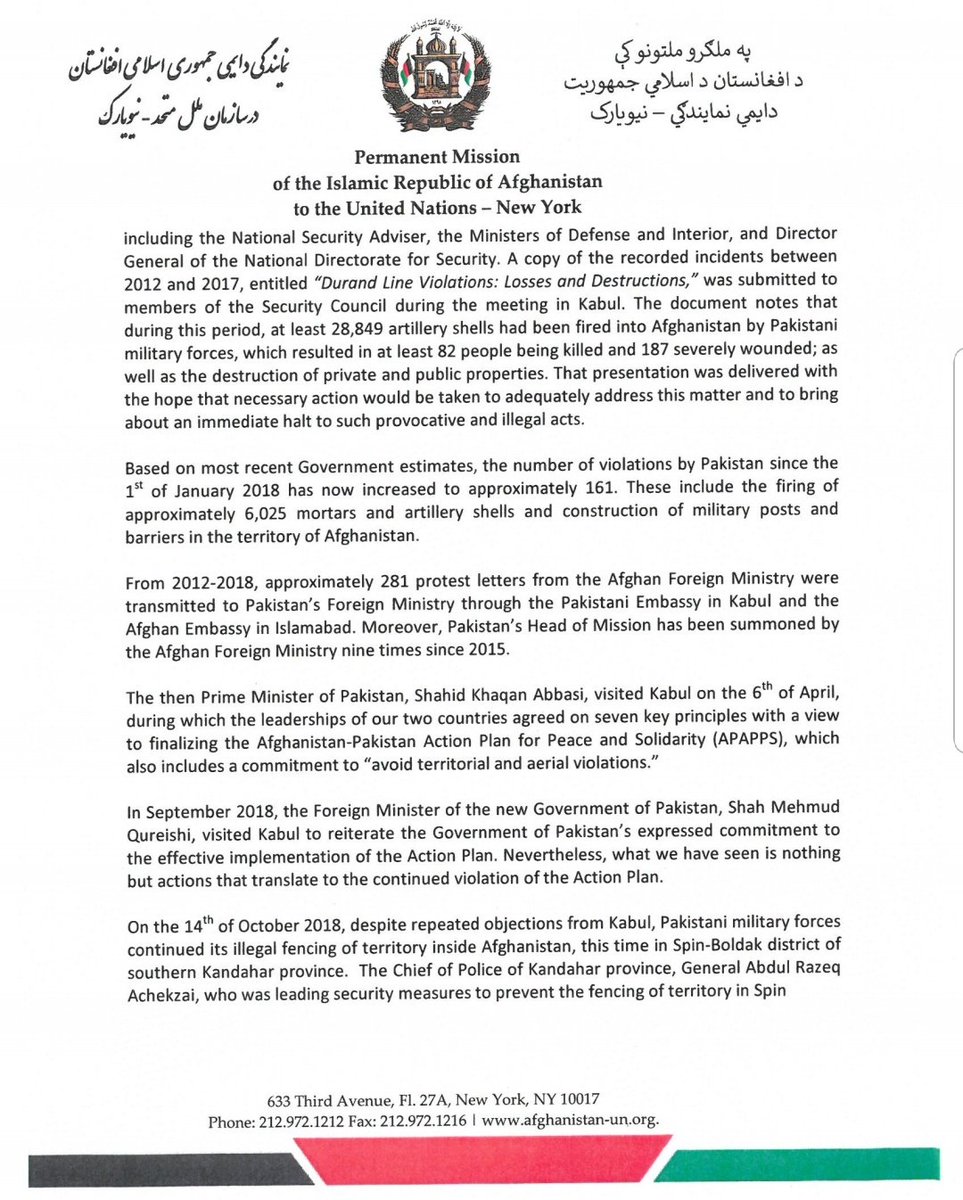
Afghanistan had once again gone knocking the United Nation’s doors over the Pakistan military excesses in its border areas. In a letter written to the United Nations Security Council (UNSC), for the second time in a week, Kabul has protested against Pakistan armed forces’ constant violation of its air space, repeated shelling of Afghan territory, particularly in border districts and villages of Kumar and Nangarhar provinces.
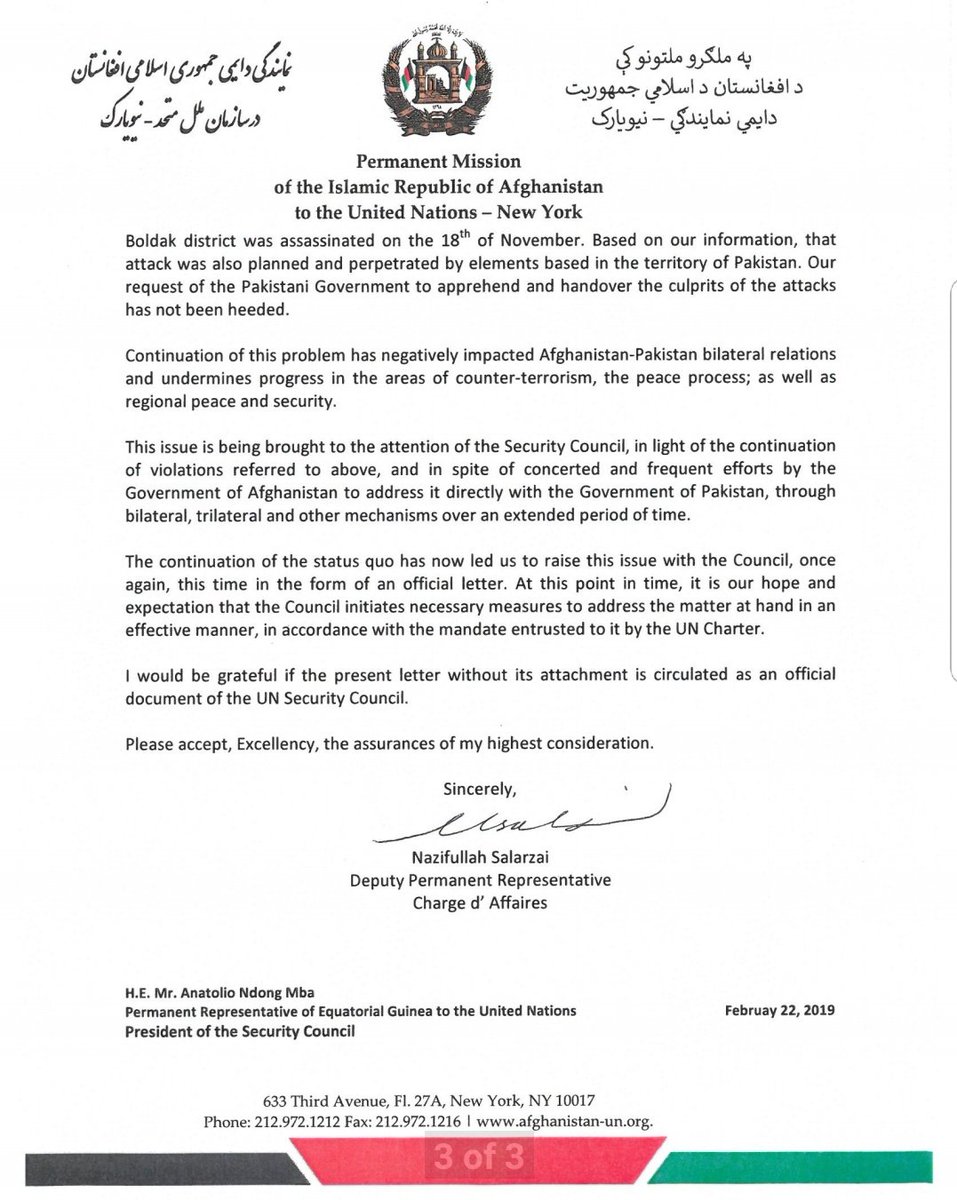
The Deputy Permanent Representative of Afghanistan to United Nation, Nazifullah Salarzai, in a letter to Security Council president Anatolia Ndong Mba, alleged that Pakistan is constructing military posts, barbed wire fences and barriers inside Afghanistan’s territory in Spin Boldak district of Kandahar province.
Afghanistan said that though the violations date back to 2012, it has increased considerably since 2017. During 2012 to 2017 period, 28,849 artillery shells were fired into Afghanistan by Pakistan resulting in the death of at least 82 people and injuring 187 others, but since January 1, 2018, the number of violations by Pakistan in Afghanistan stands at 161 which include firing 6025 artillery shells into Afghan territory.
Afghanistan said that between 2012 and 2018, approximately 281 protest letters have been sent by Afghan Foreign Ministry to Pakistan’s Foreign Ministry but Pakistan seems to be totally indifferent towards the same.
The letter written by Afghanistan to the UN alleging constant violations by Pakistan military
The latest letter dated February 22 is the second official protest within a week, by Afghanistan to United Nations against Pakistan. In the earlier letter dated February 15, Afghanistan alleged that Pakistan government invited a Taliban delegation for a high-level meeting which was attended by Pakistan Prime Minister Imran Khan. “The decision is deeply regrettable as it seeks to recognise and legitimise an armed group (Taliban) that poses a security and stability threat to Afghanistan,” Salarzai wrote in the letter.
Subsequently, Iran had also squarely blamed Pakistan on February 16, for the suicide bombing that killed more than 2 dozens of its troops. Iran’s Revolutionary Guards blamed “Pakistan’s security forces” for supporting the terrorists who perpetrated the attack.
Revolutionary Commander Major General Mohammad Ali Jafari also threatened Pakistan with retaliation if it does not take action against the terrorist outfit on its own.
Meanwhile, India has also been planning hard to avenge the dastardly Pulwama attack executed by Pakistan sponsored terrorist organisation Jaish-e-Mohammad. Efforts are being made to globally isolate Pakistan. The clouds of war have been hovering over the Indian sub-continent in the aftermath of the Pulwama attack.
Prime Minister Modi has made it clear that Pakistan will be made to pay a heavy price for the transgressions. He had minced no words in stating that India is considering all options to avenge the murder of our soldiers.
When Imran Khan became the Prime Minister of Pakistan, he promised the creation of a “Naya Pakistan”. The disenchantment of the people with the existing set of rules and institutions was such that a message like “Naya Pakistan” was bound to resonate with the electorate. It is, however, important to understand the source of Pakistan’s problems before Imran starts finding appropriate solutions.
Of lately, the Pakistan Economy has been extremely fragile with its public debt to GDP ratio at around 74 per cent, a widening CAD, low foreign exchange reserves and a currency that has been devalued multiple times over the last one year. Consequentially, Imran Khan has been seeking financial assistance from other nations and multilateral agencies to ensure financial stability.
The present economic problem is an outcome of the chronic decline of the state of Pakistan over the last couple of decades which has come with the backdrop of the elites draining out the resources of the state. India and Pakistan both attained independence at the same time and Pakistan had better infrastructure and access to the most fertile part of erstwhile Western-Punjab. Despite its advantage in terms of its location and access to resources, the state of Pakistan squandered away its head start in terms of development. Post-1947, Pakistan failed to strengthen its institutions as those in power were reluctant or perhaps unaware of the need to strengthen them. Consequentially, democracy, as an institution remains till date so fragile that no Prime Minister of Pakistan has been able to successfully complete his term.
The fragile democracy has given the army greater influence within the institutions of the state and this is one of the major reasons behind the frequent military rule in the country. Over the course of military rule, the ruling elites were further able to infiltrate into other organs of the state such as the judiciary and the permanent executive which gave them complete control over the country’s resources. This also enabled a concentration of economic, political and military power in the hands of a select group of individual, which enables them to determine electoral outcomes. Thus, even legislators who are bound to form rules and strengthen institutions are frequently the ones who represent the interests of the select elites.
The true problem lies in the separation of power in Pakistan which has enabled such gross encroachments by the armed forces over the powers of elected governments. This encroachment has not just subdued the democratic processes of the country, but it has also resulted in the concentration of power among the elites who no longer want to let go of their status in the society
Over a period of time, this toxic set-up has resulted in most of the institutions becoming extractive in nature. The incentive for the elite is to maintain their social hierarchy and this has ensured that the institutions also behave in a manner that preserves their economic status. The elites fear “creative destruction” and thus, the institutions of Pakistan do not encourage innovation as a source of their growth. Moreover, their economy continues to grow at around 5-6% while the nation struggles in the creation of a conducive business environment that can promote growth, provide jobs and meet the aspirations of its people. Given that the institutions are designed to serve the interest of select few, these institutions can be termed as “extractive” institutions that are interested in the extraction of surplus from the people of their country and through the prolonged process of extraction, there has been sharpening in inter-regional inequality across Pakistan. This extraction can be considered to be one of the major reasons behind the regional separatist movements that Pakistan is currently dealing with.
The crumbling institutions that tend to be riddled with corruption, nepotism and inefficiency work towards the elect few as they re-direct resources to the privileged at the cost of those who continue to remain marginalized. This marginalized status helps the country as these poor people can then be radicalized by the non-state actors who it is believed, work for the state agencies. Thus, the ruling dispensation manages to keep its subjects under check through either economic, political or military power and this is rationalized by the judicial bodies of the country.
Given that the constitutional rules are now being written by the benefactors of the existing system, there is little incentive for them to try to change the rules to promote inclusive institutions. As a result of this, the people of Pakistan will continue to suffer as inter-regional inequalities create more disparities across their country.
The current conflict with India after the Pulwama attack illustrates that Pakistan, as a country needs an external threat to remain united. The ruling elite of Pakistan frequently tries to test India’s patience and maintain an environment of hostility towards India as it serves them politically as a unifier of the entire country. Consequentially, issues of development get sidelined and people ignore the regional imbalances across their country as they come together to face an “external” threat. The ruling elite also uses the nuclear weapon as a tool to deter any external threat beyond a certain level so as to ensure that it can keep an environment of perpetual hostility without facing any military aggression.
The current state of Pakistan is only because of weak institutions that resulted in a systematic decline of the governance framework across the country. This has resulted in the non-state actors gaining more prominence than the elected legislators as the true power centre resides in the non-elected elites who yield great economic, military and political power. The persecution of religious and ethnic minorities, subjugation and colonialization of regions of their own country to promote the growth of these elites is likely to cause a revolution in Pakistan. A civil war or an armed revolution in Pakistan would be catastrophic for the region given that the country is a nuclear state and any uncertainty within their country can have severe ramifications for the stability of the entire sub-continent. With irresponsible armed non-state actors, a brutal army and frequent regional separatist movements, the country continues to be a ticking time bomb that the sub-continent needs to diffuse before the situation goes out of hand.
It is imperative that the world seriously deliberates and intervenes towards ensuring stability within Pakistan as failing to do so can result in the country exploding into a civil war which would have far more uncertain consequences than an intervention by a select group of countries. Pakistan, as a nation, requires to be liberated from the current elites and they desperately need to rewrite their institutional framework to build strong institutions that can deliver development to their people.
The only way to end the continuous conflict with Pakistan would be to liberate the people of Pakistan from their ruling elite and put them on the path of development and it would be better if an external force puts them on this path rather than the region waiting for it to happen on its own. The world and India, in particular, can no longer adopt the wait and watch policy. It is time to act.
“Those who cannot remember the past are condemned to repeat it.” Frequently and wrongly attributed to Sir Winston Churchill, this truism from George Santayana’s ‘The Life of Reason’ (1905) is contextual in view of the events of the past few days. The attack by Pakistan backed terrorists on the CRPF convoy at Pulwama, and the overwhelming outrage thereafter. Cries for avenging the blood of our men on one hand and the oblique targeting of the government by the opposition (after initial veneer of solidarity) on the other.
In 1962, an ill-informed government sent an equally ill-informed and unprepared army to war with China. This was a consequence of a long chain of events, beginning with Jawaharlal Nehru’s ‘Forward Policy‘ in 1961 and climaxing in an overwhelming strength of Chinese soldiers surrounding the tactically unsound Indian post at Dhola. The news caused a massive media outrage, which echoed in the parliament with demands to retaliate becoming louder. Having painted himself in a corner with his earlier false bravado, Nehru tried to save face by telling the Indian Army to ‘Throw the Chinese out’. The result was the debacle which remains the darkest blot on the otherwise glorious history of Indian Army.
In 1971, Indira Gandhi ordered the Army Chief General Manekshaw to go to war with Pakistan over the East Pakistan refugee issue. The refugees were causing a crisis, and there was a public hue and cry, especially in the Eastern states whose thin resources were stretched to the extreme due to the influx of millions of miserable souls fleeing from Pakistani atrocities.
Gen Manekshaw had the moral courage to stand up to the Prime Minister, asking for the right to strike at the time of his choice, keeping the time for preparation and campaigning season in mind. And to her credit, Mrs Indira Gandhi had the sagacity to listen to professional military advice and not succumb to public pressure. The result was a resounding victory, a bloody nose to Pakistan, and the creation of Bangladesh.
The difference in the results between the two instances above ought to serve as a lesson for India’s strategic planners in the current environment. Yes, our patience has been tried once too often. The thousandth cut has been inflicted, and it’s necessary to sever the hand wielding the knife administering them. Yet, the response cannot and must not be a political face-saving exercise – it has to be well thought out, decisive and appropriately punitive.
The government has already taken several measures aimed at hurting Pakistan economically and isolating it diplomatically. This should definitely be followed up with an appropriate military response, but given at the right time and place, choosing which should be the left to the service chiefs. The cacophony of the opposition and compulsion of the government to act in view of the approaching elections should not impact the timing recommended by them.
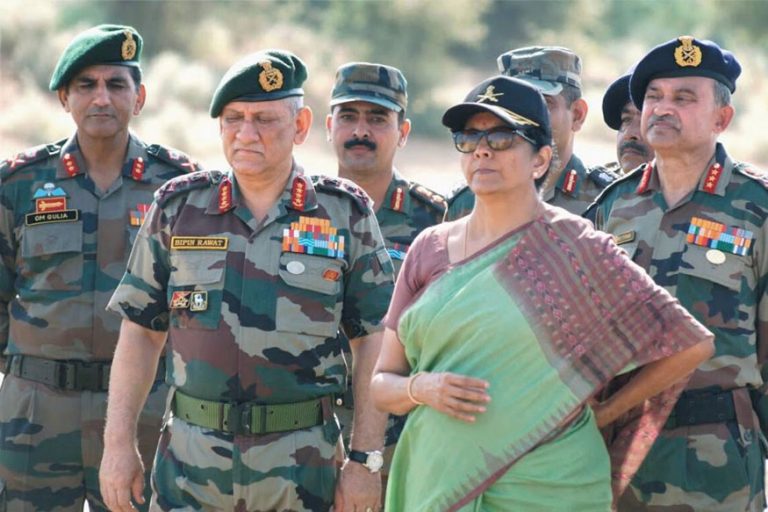
Defence Minister Nirmala Sitharaman said on Saturday that the Indian armed forces are all prepared for intense war as far as ammunition is concerned. Defence Minister Nirmala Sitharaman further said that the number of fighter jets required by the Air Force changes from time to time and the situation was different in 2001 when India decided to purchase 126 aircraft.
According to the reports, Raksha Mantri Nirmala Sitharaman was speaking at an event ‘India’s National Security and Importance of Rafale Deal’ organized by a think-tank named Foundation for Public Awareness and Policy’ in Ahmedabad said that the defence wings of India are in all readiness as far as ammunition is concerned. Defence Minister said that the armed forces have enough quantity for at least 10 days of the intense war.
“The defence wings of India are in readiness for sure. We have made an item-wise purchase of all ammunition. Vice Chief of the defence wings was given the power to purchase ammunition to fulfil all shortages after our government was established at the Centre,” said Defence Minister Sitharaman
Sitharaman also cleared the air on the induction of various other arms and ammunition of the latest technology that is being bought from other countries. She said that 36 Rafale jets will start to arrive in September this year, two Project 1135.6 Talwar class frigates for India will come from Russia and two more such frigates will be assembled in the Goa shipyard. S-400 air defence system will also be inducted soon, increasing operational readiness of the Indian Air Force, said Sitharaman.
However, Sitharaman did not speak on the issue over a befitting response to the terrorist state of Pakistan over the recent Pulwama attack but said that PM Narendra Modi has already said that the Army chief will decide a time for the same.
Attacking the previous UPA government led by Congress, Sitharaman also revealed how the UPA government never utilised the defence budget for the acquisition of weapons and technology that was needed for Indian armed forces.
“IAF did not have a technologically advanced aircraft. Latest guns were inducted in the Army when our government came in 2014. After Bofors, no gun was inducted in a 30-year-span. They complained about the budget but there was sufficient money with the ministry. Defence procurement had come to a grinding halt during the UPA government,” the defence minister said.
Nirmala Sitharaman also clarified on why the Narendra Modi government decided to only buy only 36 aircraft instead of 126 as planned originally. She said the requirement of the Air Force was higher in 2001 and was seeking to buy more while the situation has changed after 20 years.
“Now you have UAVs (unmanned aerial vehicles or drones), so in a situation of war are we required to send a trained pilot in a fighter plane inside the enemy borders? So requirements change from time to time. In the UPA deal, they were just procuring 18 Rafale in fly-away condition, but we are procuring 36 in fly-away condition, delivery of which will start from September. For the rest that have to be manufactured we have issued a request for information (RFI),” she said.
She further added that HAL (Hindustan Aeronautics Ltd) has been given the contract for 83 light combat fighter aircraft and Sukhois are also being manufactured in India.
Targetting the Congress party, she said, under UPA defence procurement declined as “national security was not a priority but somebody else’s financial security was a priority”. She alleged that during the UPA era “middleman (Dalal) culture” prevailed impacting defence deals.
The defence minister said the armed forces are not facing any shortage of ammunition. “Earlier such issues were there. But today we do not have such problems. We have given the power to the army to purchase ammunition,” Sitharaman said.
Less than two weeks after India raised the basic customs duty on all items imported from Pakistan to 200%, the effects of the same have already started to show. The duty hike was enforced after India had withdrawn the Most Favoured Nation accorded to Pakistan following the Pulwama terror attack.
An import duty of 200%, along with other duties such as Countervailing Duty and Special Countervailing Duty, has meant that items imported from Pakistan will cost 300% or more than its basic price, making than completely uncompetitive in the Indian market. As a result, traders in India have refused to import goods from Pakistan.
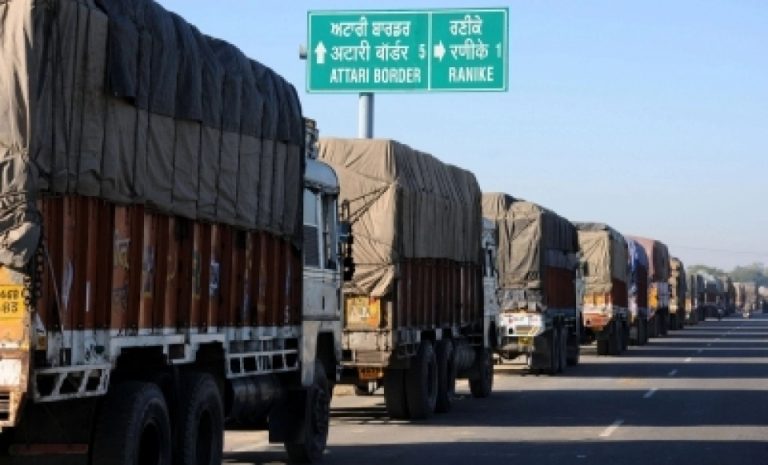
This has resulted in a long queue of hundreds of trucks carrying goods from Pakistan to India at the border, as naturally, nobody is willing to pay 200% or more tax to clear the shipments to India. Trucks carrying various items like cement, granite, gypsum, dry dates, graphite etc are stranded at the Attari-Wagah border, as Indian importers have refused to accept them.
As trucks are stranded in the border for almost 10 days now, some truckers have started to offload the consignments at the border itself and return from the border. As there is confusion and uncertainty over whether Indian importers will accept the shipments, and the transporters can’t keep their loaded trucks at the border forever. Items like granite and gypsum have offloaded on the sides of the roads, but other items like cement are still kept in trucks as they can’t be stored in open. Most exporters are also not willing to take back the goods, resulting them to be stranded at the border.
Although Pakistani exports will suffer for the raised import duty by India in the long run, Indian traders have suffered for the time being due to the goods languishing at the Attari-Wagah border. Because, Indian importers have already paid for most of the shipments, but now they have to pay 200% or more import duty to take delivery of the same. If they are unable to clear the shipments, they stand to lose the money already paid to Pakistani exporters.
Due to this, the Indian importers have demanded that the shipments which are already at the border, and for which payments have already been made, should be cleared with old import duty. They say that the bill-of-entry for most of the consignments were filed before the hike in duty, that’s why ideally the new duty should not apply on them. The traders are planning to move the Supreme Court if the customs department does not agree with their demand.
Pakistan’s import from India is much more than India’s import from Pakistan. So far, Pakistan has not announced any retaliatory hike in customs duty on imports from India, and exports to Pakistan is continuing. Pakistan has not accorded India the MFN status so they are free to increase the duties if they want.
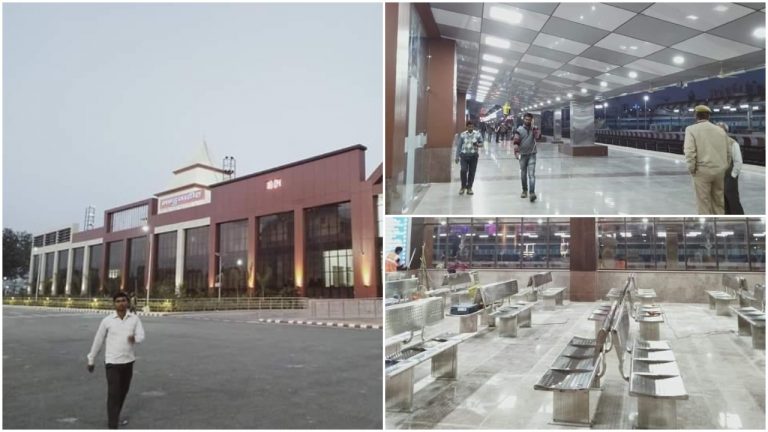
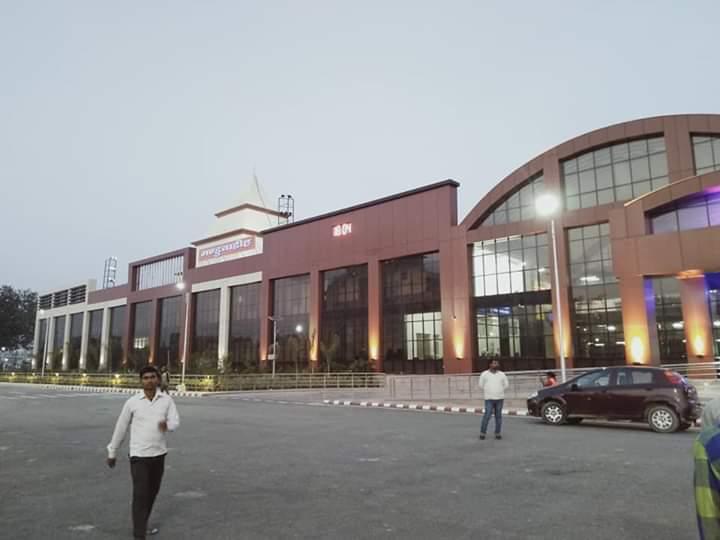
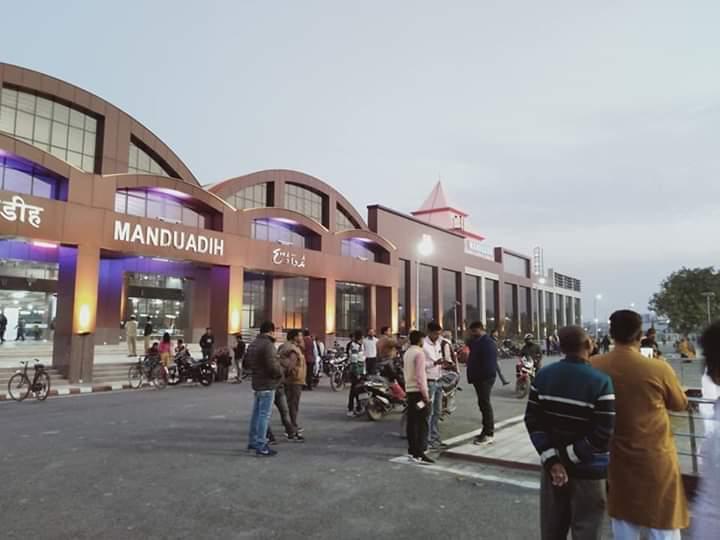
Union Railway Minister Piyush Goyal on Thursday had posted a video of the newly renovated Manduadih Railway station, Varanasi of the Uttar Pradesh. The video which showcases the world-class facilities at the Manduadih Railway station has already gone viral.
वाराणसी का मंडुआडीह स्टेशन विश्वस्तरीय सुविधाओं के साथ अपनी स्वच्छता और सौंदर्यीकरण से यात्रियों को एक नया अनुभव प्रदान कर रहा है। काशी के प्राचीन वैभव को पुनः जीवित करता यह स्टेशन देश के सबसे सुंदर स्टेशनों में से एक बनने जा रहा है। pic.twitter.com/9FokKNgQHj
Manduadih railway station is one of the four Railway stations situated in Varanasi, Uttar Pradesh under the North Eastern Railway Zone. Manduadih Railway station was built to handle the huge rush of passengers at Varanasi Junction. It has now been upgraded to a high class-facility and as a terminal station along with the Varanasi City Railway station to handle the increasing incoming traffic of trains to the Varanasi Junction. The fourth Railway station is known as Kashi Railway station.
Manduadih Railway StationManduadih Railway Station
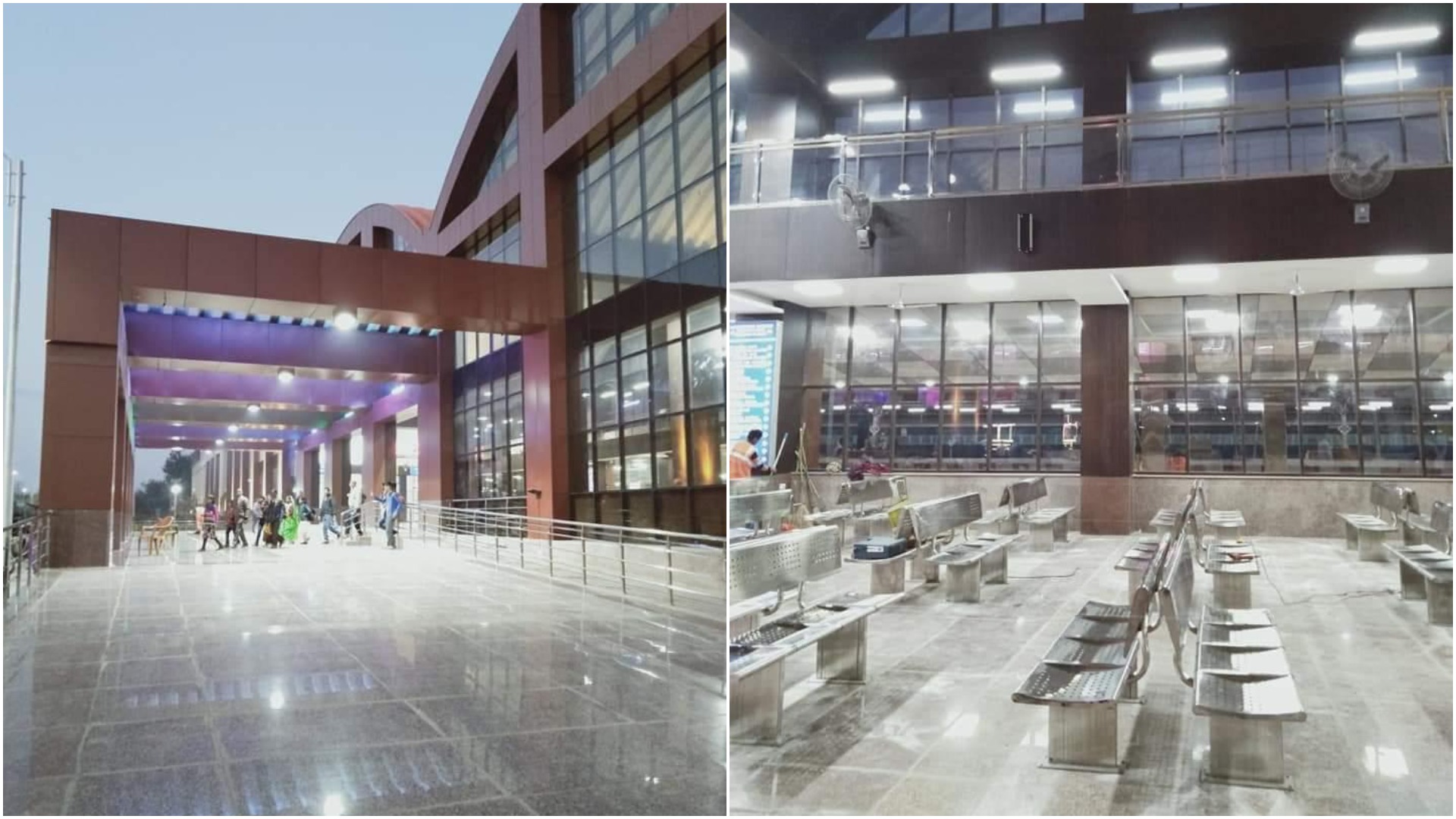
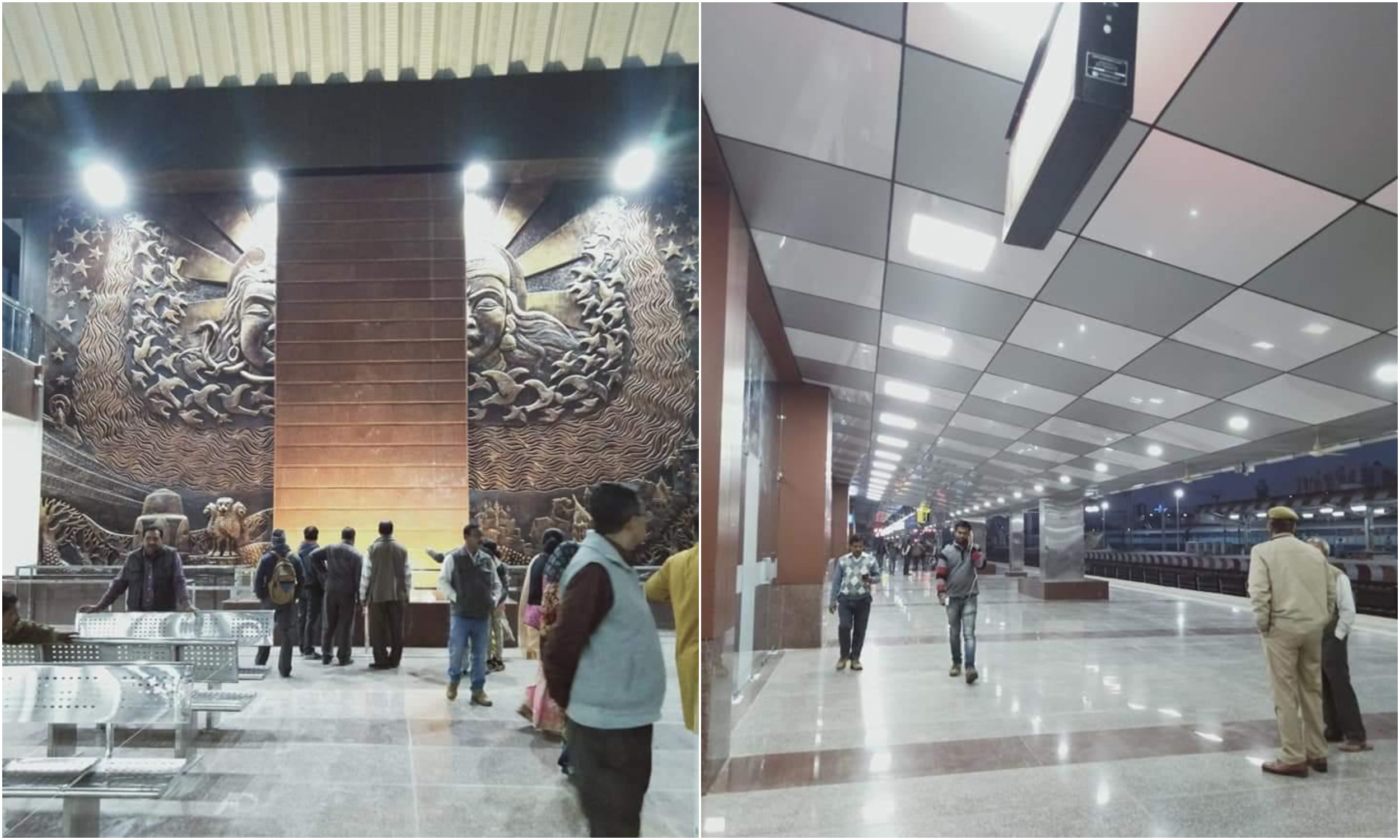
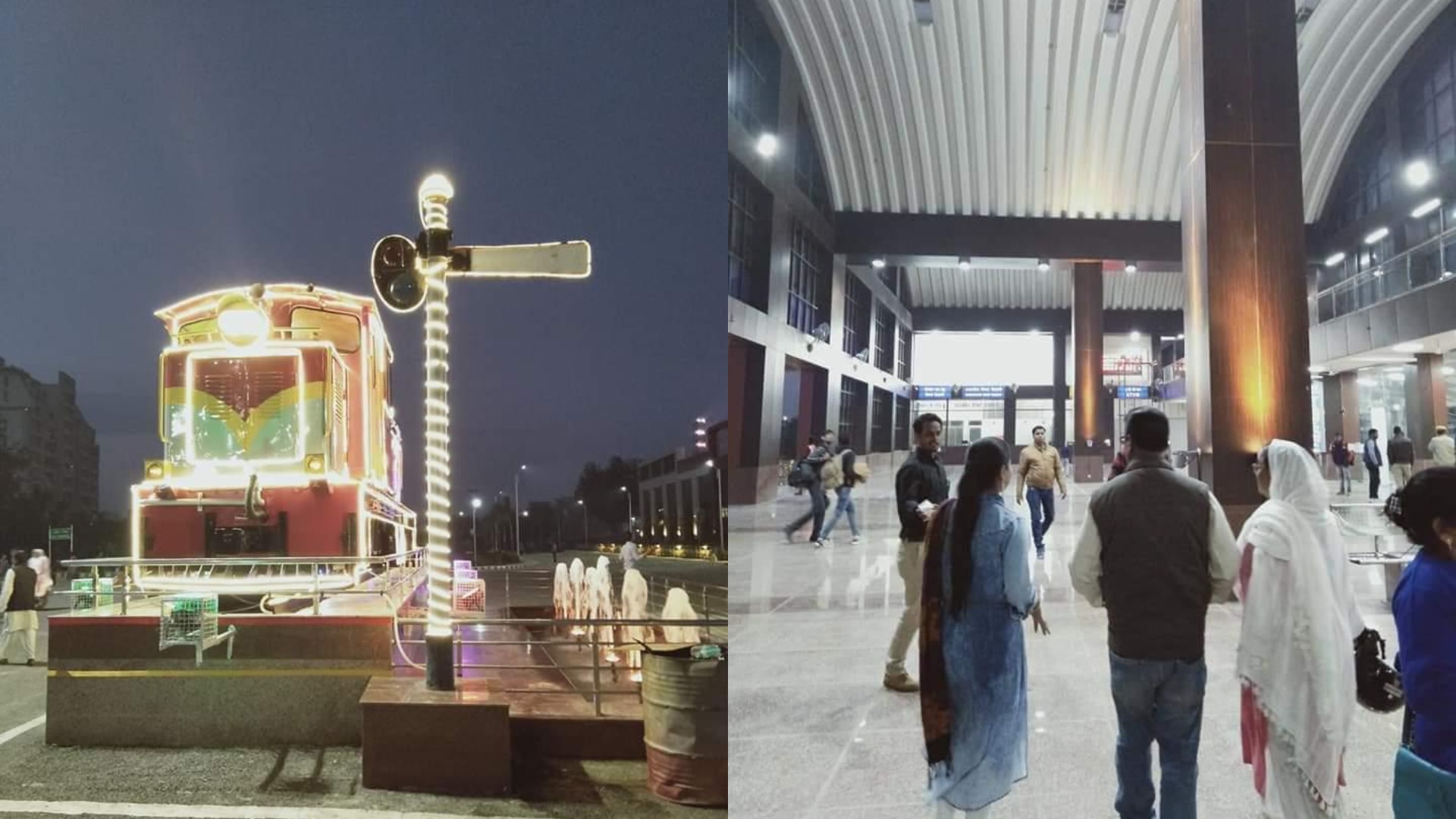
The new Manduadih station has been revamped with world-class facilities of newly built platforms, high-class passenger waiting rooms, ticket booking counters, restaurants, toilets retiring rooms. The newly built structures at the Manduadih railway station symbolises the culture of Varanasi with the aspect of cleanliness is highly prioritised. The Manduadih railway station has eight platforms and currently, eight trains originate from the station.
World-Class facilities at Manduadih Railway Station, VaranasiWorld-Class facilities at Manduadih Railway Station, Varanasi
According to the reports, the Union government has also planned to rename the revamped Manduadih station as ‘Banaras’ railway station. Union Minister of State for Railways, Manoj Sinha has written a letter to the Uttar Pradesh Chief Minister Yogi Adityanath requesting him to consider the renaming of the Manduadih Railway Station.
“The name Manduadih doesn’t sound good and doesn’t connect with the legacy of Banaras,” a top railway official of Varanasi division was quoted as saying.
World-Class facilities at Manduadih Railway Station, Varanasi
Varanasi, also called Banaras and Kashi, is the parliamentary constituency of Prime Minister Narendra Modi. Soon after Narendra Modi led NDA came to power, the historic city of Varanasi has come alive as massive development projects have been sanctioned to re-develop Kashi or Varanasi, one of the most important religious and revered sites for Hindus.
Pt Deen Dayal Upadhyaya junction at Mughalsarai is also located in suburban parts of Varanasi and it’s one of the important and busiest railway stations in the country and the fourth busiest railway junction in India.