

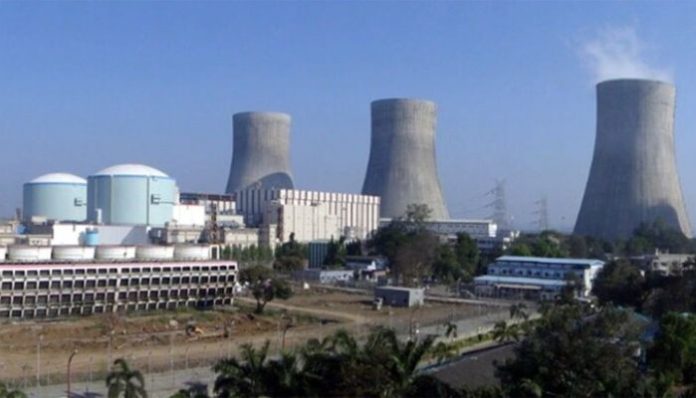
The Lok Sabha passed the “Sustainable Harnessing and Advancement of Nuclear Energy for Transforming India Bill (SHANTI), 2025” on Wednesday (17th December), which is designed to give a major push to nuclear energy production in India. The bill, which was passed after the opposition walked out of the house, allows entry of private players into the industry.
Union Minister Jitendra Singh said the new law is aimed at removing fear among companies created by earlier strict liability provisions, which had stalled cooperation in the nuclear sector for nearly a decade. He added that the new framework will open doors for private participation, ensure strong compensation mechanisms, and keep safety rules as strict as before.
Began the discussion in #LokSabha today with opening remarks on the historic, landmark bill “The Sustainable Harnessing and Advancement of Nuclear Energy for Transforming India Bill, 2025 (SHANTI BILL 2025). ” pic.twitter.com/zmzocbWo47
— Dr Jitendra Singh (@DrJitendraSingh) December 17, 2025
Why the SHANTI Bill was introduced
Explaining the need for the Bill, Union Minister Jitendra Singh said earlier laws placed very harsh liability conditions on nuclear equipment suppliers. This, he said, created what he described as a “silent phobia,” discouraging both Indian and foreign companies from participating in nuclear projects. As a result, collaboration in the sector remained almost frozen for the past 10 years.
The SHANTI Bill seeks to remove this fear while keeping accountability intact. Under the new framework, the primary responsibility in case of a nuclear accident will rest with the operator of the facility. Any legal or financial issues involving suppliers will be handled by the operator, not directly by the government.
Operator responsibility and compensation structure
The government has clarified that operator liability will be decided based on the size and capacity of the reactor. This move is expected to encourage the use of new technologies, including small modular reactors, which are seen as safer and more flexible.
To ensure victims are fully compensated in case of a nuclear incident, the Bill provides a three-layer compensation system. The first level will be the operator’s liability. The second will be a Nuclear Liability Fund backed by the government. The third level will involve additional support through international agreements, if required.
Government responds to Opposition concerns
The Congress party opposed the Bill, arguing that removing supplier liability could be risky and demanded that it be sent to a parliamentary committee for further scrutiny. Responding to this, Jitendra Singh said the Bill does not dilute safety in any way and is only an amendment to existing laws, not a completely new framework.
He stressed that control over nuclear material, safety inspections, and security will continue to remain fully with the government.
India’s long-term nuclear energy goals
The government has set an ambitious target of generating 100 gigawatts of nuclear power by 2047, with nuclear energy contributing nearly 10 per cent of the country’s total power mix. To resolve future disputes, a new Nuclear Energy Resolution Council will also be set up under the proposed framework.
