

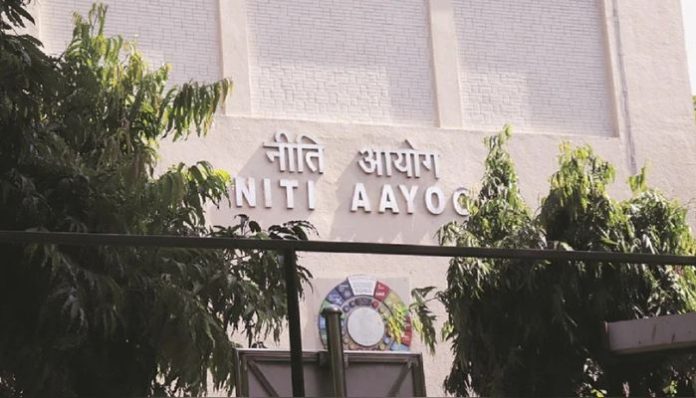
A government panel led by NITI Aayog member Rajiv Gauba has recommended that India reconsider its approach to Quality Control Orders (QCOs) because the rising number of mandatory standards is making compliance costly and disrupting industrial supply chains.
According to a report in Business Standard, the high-level committee includes representatives from the Department for Promotion of Industry and Internal Trade (DPIIT), the Ministry of Micro, Small and Medium Enterprises (MSMEs), and top industry groups like FICCI, CII, and ASSOCHAM. Their view is that QCOs should mainly apply to finished goods that directly affect consumer safety, health, and product quality. They have proposed cancelling, suspending, or delaying QCOs on over 200 products.
An internal report submitted last month suggests scrapping 27 existing QCOs on key raw materials such as base metals, plastics, footwear, polymers, and electronic parts. It also recommends pausing regulations on 112 products already under QCOs and postponing new QCOs about to come into force. The panel’s main goal is to reduce regulatory pressure on manufacturing, especially the MSME sector, which has been struggling with the extensive list of mandatory standards.
Currently, many QCOs apply not only to consumer goods but also to raw materials and intermediate products. The committee noted that restrictions on items like polyester fibre, yarn, and high-grade steel have caused factories to operate below capacity, increased input costs, and hurt exports.
The panel suggests that any deferments of QCOs be reviewed by an inter-ministerial group and executed by the relevant ministries including textiles, steel, mines, and chemicals.
QCOs are legally binding rules issued in coordination with the Bureau of Indian Standards (BIS) to ensure safety and quality, unlike voluntary standards also issued by BIS. In recent years, these orders have expanded dramatically, from 70 products in 2016 to around 790 now, drawing criticism from industry and trade partners. The US and EU have raised concerns over QCOs as potential non-tariff trade barriers during free trade discussions, as per reports. The committee has called for a balanced approach that protects quality while helping Indian industries remain competitive.
