

In a major embarrassment, Times of India had to take down an article after it was found to be plagiarised from an article by an independent journalist named Kamala Thiagarajan. The journalist publicly called out Times of India on X for plagiarising her work and republishing an AI version of it.
“The @TOIIndiaNews has plagiarised my recent article in NPR, republishing a terrible AI version of it. After I complained, the article was taken down hastily,” the journalist wrote.
The @TOIIndiaNews has plagiarised my recent article NPR, republishing a terrible AI version of it. After I complained, the article was taken down hastily. https://t.co/tVfdHtjpzg
— Kamala Thiagarajan (@Kamal_t) November 11, 2026
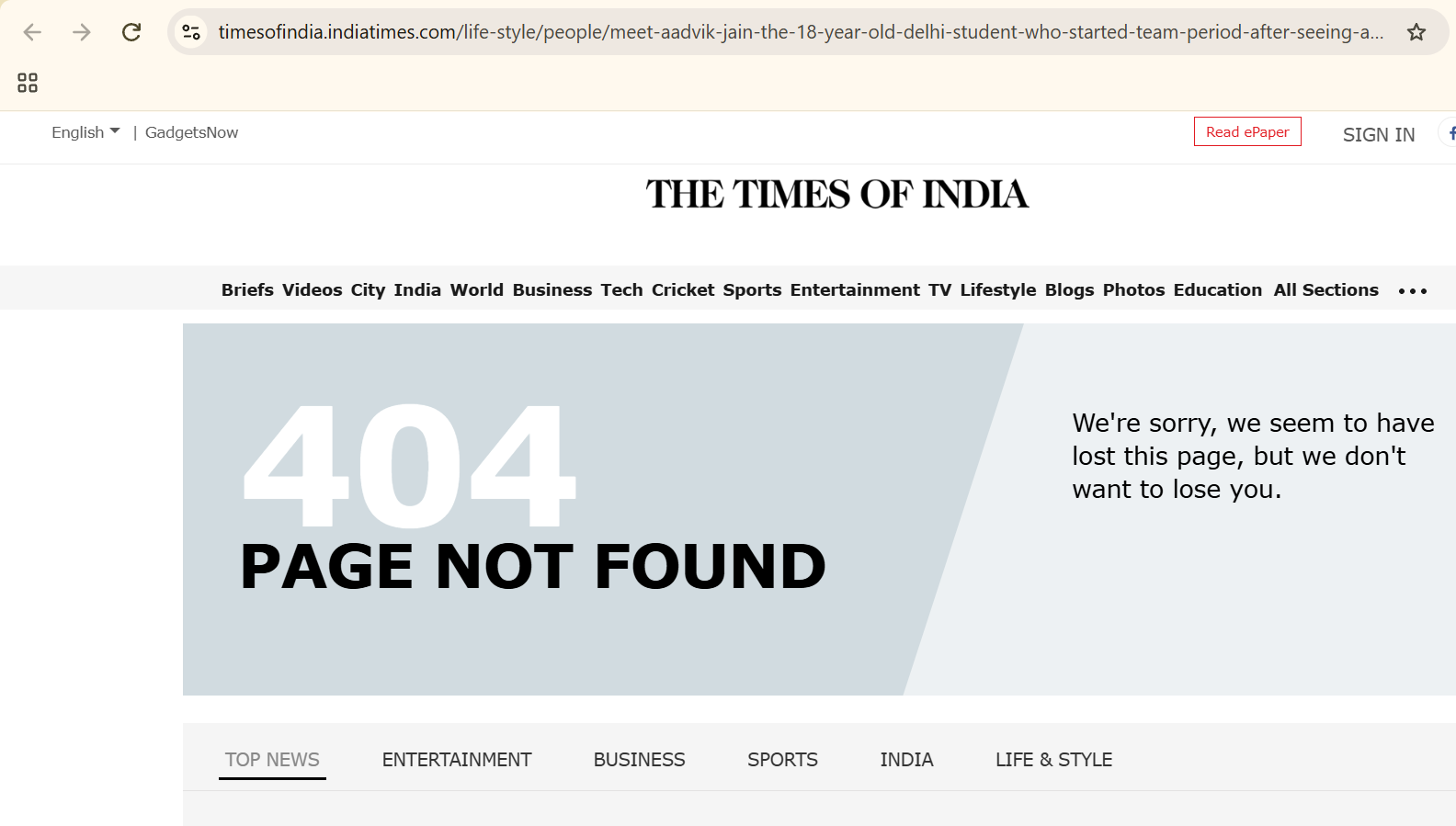
She also shared the link to the now-deleted Times of India article and pointed out that the URL of the deleted article matches the title of the original piece she wrote.
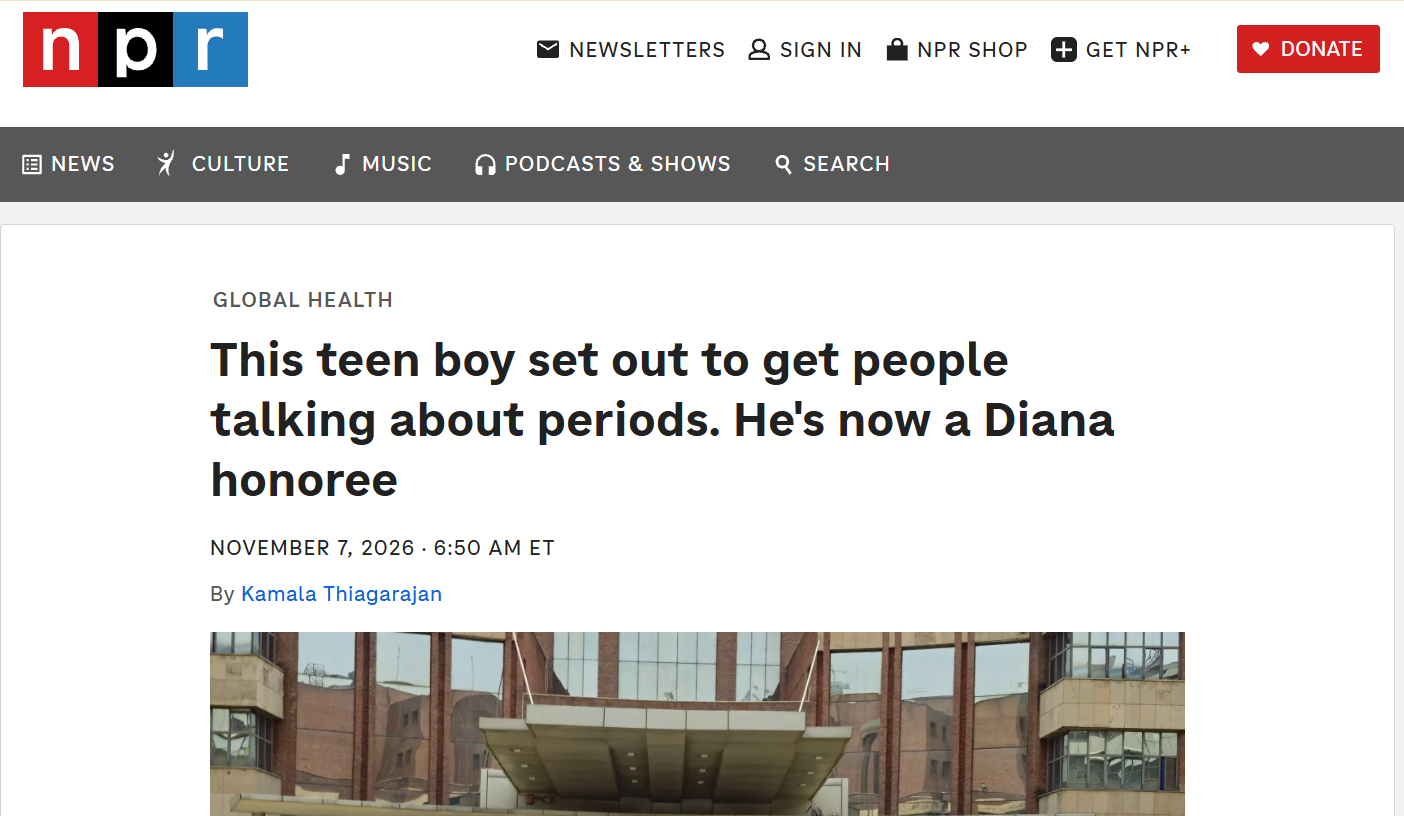
Thiagarajan had written the original article titled “This teen boy set out to get people talking about periods. He’s now a Diana honoree”, published in NPR.
She added that the section under which the plagiarised Times of India article was published is headed by one “Indrajeet Rai”. She cautioned fellow journalists against those she described as “lazy scumbags who masquerade as journalists” and steal their work. “This section is headed by Indrajeet Rai. Journalists, don’t let lazy scumbags who masquerade as journalists steal your work,” Thiagarajan said.
This section is headed by Indrajeet Rai. Journalists, don’t let lazy scumbags who masquerade as journalists steal your work.
— Kamala Thiagarajan (@Kamal_t) November 11, 2026
The original article was about an 18-year-old student from India named Aadvik Jain who received the prestigious Princess Diana Award for founding “Team Period”. Jain launched the initiative after witnessing a close friend’s struggles with menstrual pain. The initiative is aimed at dismantling menstruation stigma, improving menstrual education, and installing sanitary pad dispensers in schools. According to Thiagarajan, Times of India plagiarised the original article and published an AI-modified version of it on its website.
This is not the first time the news portal has faced such embarrassment for failing to uphold journalistic ethics. Last year in June, the news portal had to apologise after it was found spreading fake news. Times of India had to tender an apology after it published fake news that the Bharatiya Janata Party (BJP) was planning to make Colonel Sofiya Qureshi and Wing Commander Vyomika Singh the face of its campaign.
The fake news was published in the Lucknow and Chennai editions of the Times of India newspaper, headlined, “Col Qureshi, Wg Cdr Vyomika set to be BJP campaign’s faces”. After facing backlash, the newspaper published a small “correction” in one corner stating that although the report was based on a conversation with the National President of the BJP Minority Morcha, Jamal Siddiqui, the newspaper should have confirmed it with the party’s central leadership.
Similarly, in August 2023, Times of India published fake news regarding Indian cricketer Virat Kohli and ended up being slammed by the cricketer. Times of India published ‘fake news’ about Virat Kohli’s plans to build a cricket pitch inside his farmhouse in Alibaug, which was being constructed at that time.
Kohli called out Times of India by sharing a screenshot of the news report on his Instagram story and captioned it, “Bachpan se jo akhbaar Padha hai, wo bhi fake news chaapne lage ab (The newspapers which I have read since childhood have also started publishing fake news)”.
Plagiarism by The Indian Express
It is upsetting to see big media houses and mainstream media portals resorting to publishing fake news or plagiarism, in complete disregard for journalistic ethics. Recently, The Hindu called out The Indian Express for reproducing substantial portions of its exclusive interview with Tamil actor Rishikanth. The Hindu strongly condemned The Indian Express and accused it of appropriating its original story and photograph without taking its permission or even crediting it.
These incidents highlight the issues relating to plagiarism and the lack of attribution and journalistic accountability among competing media portals, racing to churn out ‘exclusive’ content.
