

Authorities in the Chinese city of Wuhan, from where the coronavirus was originated, have reportedly banned the hunting and consumption of wild animals. As per reports, the new regulation was released on the official website of the Wuhan government on Wednesday.
Animals that are included in banned list
The regulation stated that wild animals, including all terrestrial wildlife, wildlife animals that are on the national and Hubei provincial preservation lists cannot be consumed or hunted by the residents.
It also added that animals that naturally grow and reproduce in the wild environment and artificially bred and propagated wild animals also cannot be consumed or hunted henceforth.
Certain aquatic animals, including precious aquatic animals and the aquatic animals that currently under national key protection list and endangered aquatic animals are also included in the list of animals the people of Wuhan are now prohibited from hunting or eating.
Ban for 5 years
The new policy was released on May 13. The current ban on the consumption and hunting of the wild animals is to stay for 5 years as of now, as per the orders.
Wuhan coronavirus
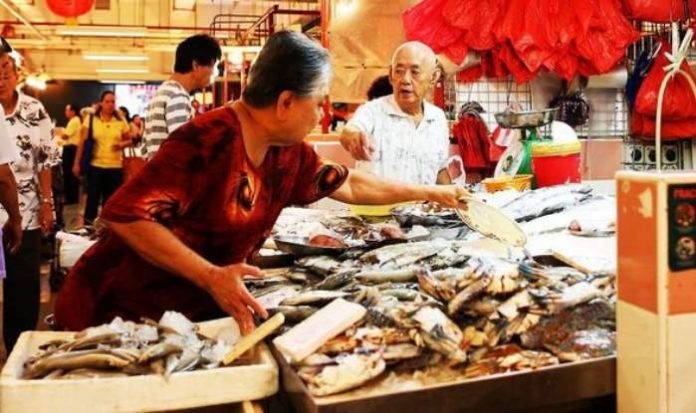
The coronavirus pandemic that is currently wreaking a havoc around the world was first reported from the wet markets of Wuhan. Experts had then stated that it is likely that the virus jumped from a wild animal to human body in the wet market of the city.
A 55-year-old woman from China’s Hubei province may have been the first person to have contracted COVID-19 through one such wet market. Huanan Seafood Market in China’s Wuhan is believed to be the epicentre of coronavirus. Though the wet market was shut in January after the initial spread of the disease was reported, the markets were reopened on March-end.
China’s wildlife trade
China’s illegal wildlife consumption trade is suspected to be worth over 125 billion yuan, roughly 18 billion USD. Millions of wild animals are illegally hunted, procured and transported to China every year to meet the growing demand of consumption of wild, exotic animals and their so-called medicinal value. The illegal wildlife trade has been driving many species of wild animals to the brink of extinction in recent years.
A paper published by scientists years ago predicted the reemergence of such viruses. The paper published by Cheng VC, Lau SK, Woo PC and Yuen KY in 2007 warned, “The presence of a large reservoir of SARS-CoV-like viruses in horseshoe bats, together with the culture of eating exotic mammals in southern China, is a time bomb.” It added, “The possibility of the re-emergence of SARS and other novel viruses from animals or laboratories and therefore the need for preparedness should not be ignored.”


