

Two days before the September 11, 2001, attacks shook the United States, Afghanistan witnessed another event that would acquire enormous significance in the days that followed. On September 9, Northern Alliance commander Ahmad Shah Massoud, one of the Taliban’s most formidable opponents, was assassinated in a suicide bombing in Afghanistan’s Panjshir Valley.
Massoud was meeting two men posing as Belgian television journalists when they detonated explosives concealed inside a video camera. The attackers had reportedly passed security checks before gaining access to the Northern Alliance leader. His death was not publicly confirmed by the alliance until September 15.
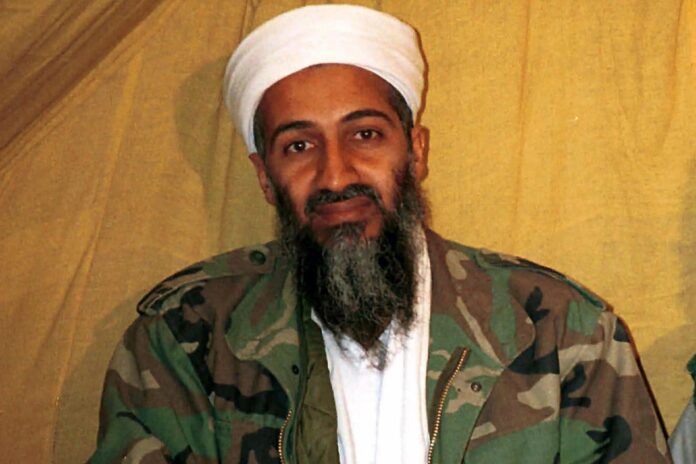
Known as a fierce opponent of the Taliban, Massoud had built a powerful resistance movement in northern Afghanistan and remained a major obstacle to the group’s ambitions. His assassination was widely believed to have been ordered by Al-Qaeda chief Osama bin Laden as a favour to the Taliban, who were then providing sanctuary to him and his organisation.
The timing of the assassination has remained particularly significant. Bin Laden reportedly anticipated that the United States would respond militarily to the attacks planned for September 11. Eliminating Massoud, who could have played a crucial role in any future campaign against the Taliban and Al-Qaeda, potentially removed a major obstacle ahead of that confrontation.
The assassination also alarmed US intelligence officials. CIA officer Gary Berntsen, who would later lead the agency’s first team into Afghanistan after 9/11, recalled that Massoud’s killing made him fear that the Northern Alliance had effectively been crippled.
CIA Director George Tenet later wrote that Massoud’s assassination could have disrupted Washington’s plans in Afghanistan had the agency not maintained contact with other northern warlords. Those contacts would become crucial after the September 11 attacks, when the US began preparing for military action against Al-Qaeda and the Taliban.
Another significant development occurred on the same day. Tenet recalled meeting Pakistan’s intelligence chief, General Mahmood Ahmed, on September 9. During discussions about Al-Qaeda and Taliban leader Mullah Omar, Mahmood defended the Taliban leadership and suggested that the CIA attempt to persuade Taliban officials to hand over bin Laden.
Just two days later, the September 11 attacks transformed the geopolitical landscape. Washington demanded Pakistani cooperation in its campaign against terrorism, while US forces began preparations for operations in Afghanistan. Massoud’s assassination, carried out on the eve of the attacks, consequently became an important and chilling precursor to the war that followed.
